Wood Flooring for Kitchens: What You Need to Know
 Wood flooring can transform a kitchen, adding warmth, character, and timeless appeal. Whether you're renovating or building a new home, wood offers a versatile and elegant solution that complements various design styles. However, choosing the right type of wood flooring for your kitchen is important, as this area faces unique challenges such as moisture, spills, and heavy foot traffic. It’s essential to select flooring that balances aesthetic appeal with durability. The right wood flooring not only enhances the overall look of the kitchen but also ensures it can withstand the demands of daily use. By considering factors such as moisture resistance, maintenance, and style, you can make an informed decision that suits both your functional needs and design vision.
Why Choose Wood Flooring for the Kitchen?
Wood flooring creates a welcoming atmosphere that’s both functional and stylish. The natural beauty of wood, with its rich textures and unique grain patterns, adds a timeless appeal that enhances the overall aesthetic of the space. Whether you’re aiming for a rustic, contemporary, or traditional look, wood’s versatility allows it to seamlessly integrate into various kitchen designs.
In addition to its visual appeal, wood flooring adds value to your home. Potential buyers often appreciate the sophistication and durability of wood floors, making it an excellent investment if you plan to sell in the future. The long-lasting nature of quality wood flooring also ensures it will continue to perform well over time, maintaining its charm and functionality.
Wood flooring offers a range of design options, from light oak to dark walnut, allowing you to choose the perfect tone to complement your kitchen cabinets, countertops, and overall decor. Whether you opt for solid wood, engineered wood, or laminate, each type provides a wide variety of finishes, textures, and colours to suit your style and the unique needs of your kitchen space.
Best Types of Wood Flooring for Kitchens
When choosing wood flooring for your kitchen, it’s important to consider factors such as moisture resistance, durability, and maintenance. Here are the best types of wood flooring suited for kitchen spaces:
Engineered Wood
Engineered wood is an excellent option for kitchens due to its superior moisture resistance and stability. Unlike solid wood, engineered wood consists of multiple layers, with a real hardwood veneer on top. This construction makes it less susceptible to warping or expanding when exposed to moisture and temperature fluctuations, which is particularly important in kitchen environments. Engineered wood also offers a variety of finishes and styles, making it a versatile choice for both modern and traditional kitchens.
Laminate Flooring
If you're looking for a budget-friendly option without compromising on durability, laminate flooring is a great choice. While laminate isn’t made from actual wood, it mimics the appearance of real wood and is highly scratch-resistant, making it ideal for kitchens that experience heavy foot traffic or frequent spills. It’s also easy to maintain, requiring only regular cleaning, and is available in various wood-look designs, making it a practical and affordable alternative.
Reclaimed Wood
For those seeking a unique aesthetic, reclaimed wood offers a distinctive look with environmental benefits. Reclaimed wood is salvaged from old structures, giving each plank a rich history and a one-of-a-kind appearance. It’s an excellent option for kitchens with a rustic or vintage style. Additionally, using reclaimed wood helps reduce waste and promotes sustainability. However, it’s essential to ensure that the wood is properly treated and sealed to prevent issues with moisture and wear.
Considerations When Choosing Wood Flooring for the Kitchen
 Choosing the right wood flooring for your kitchen requires careful consideration of several key factors to ensure the floor’s longevity, performance, and visual appeal. Here are the primary aspects to keep in mind:
Moisture and Humidity Resistance
Kitchens are exposed to high moisture levels, whether from cooking, spills, or humidity. It’s important to select a wood flooring option that can handle these conditions without warping or deteriorating. Engineered wood flooring is an excellent choice due to its moisture resistance and stability. Laminate flooring, although not real wood, is another great option as it is highly resistant to moisture and less likely to swell or warp. Ensure the flooring you choose is specifically designed for kitchens and sealed properly to protect against moisture damage.
Durability and Ease of Maintenance
Kitchens experience heavy foot traffic, and floors are often subject to spills, stains, and scratches. For this reason, you’ll want a floor that is both durable and easy to maintain. Laminate and engineered wood are low-maintenance options that are easy to clean and can withstand the demands of daily use. Reclaimed wood floors, while durable, may require additional care to maintain their appearance over time. Regular cleaning and proper sealing are essential to ensuring your floor stays in great shape.
Style and Design Compatibility with the Kitchen Decor
The aesthetic of your kitchen is just as important as the functionality of the floor. You’ll want to choose a wood flooring type that complements your kitchen’s design and style. For modern kitchens, engineered wood can offer sleek, clean lines, while reclaimed wood creates a rustic or vintage feel. Choose a wood type, colour, and finish that harmonises with your cabinets, countertops, and overall colour scheme. The right flooring can enhance your kitchen’s look, creating a cohesive and inviting atmosphere.
Pros and Cons of Wood Flooring for Kitchens
When choosing wood flooring for your kitchen, it’s important to weigh the advantages and drawbacks to make an informed decision. Here’s a breakdown of the pros and cons of wood flooring in kitchen spaces:
Pros
Long-Lasting: Wood floors, especially those made from engineered wood or solid hardwood, are highly durable and can last for decades when properly maintained. They are an excellent investment for long-term use, adding both value and charm to your kitchen.
Easy to Clean: Wood flooring is relatively simple to maintain. Regular sweeping, vacuuming, and occasional mopping are enough to keep it looking its best. Many wood finishes are also stain-resistant, which is ideal for a busy kitchen environment prone to spills.
Adds Character: Wood floors bring a timeless aesthetic to the kitchen. They add warmth, texture, and elegance to any design style. Whether you choose engineered wood or reclaimed wood, each type contributes a unique look that enhances the visual appeal of the space.
Cons
Susceptible to Scratches and Dents: While wood flooring is durable, it can still be vulnerable to scratches and dents, particularly in high-traffic areas. Kitchen utensils, furniture, and even pet claws can cause marks. Choosing a harder wood or opting for a more robust finish can help mitigate this issue.
Moisture Damage: Wood is inherently susceptible to moisture damage. Spills that aren't cleaned up immediately or prolonged exposure to humidity can cause wood to swell, warp, or stain. For this reason, it’s essential to choose moisture-resistant options like engineered wood and ensure the floor is sealed properly.
Despite these drawbacks, wood flooring remains a popular choice for kitchens due to its aesthetic appeal and long-term benefits. Taking proper care and choosing the right type of wood can minimise the cons and maximise the pros for a beautiful, functional kitchen floor.
Maintenance Tips for Kitchen Wood Flooring
Maintaining wood flooring in the kitchen is essential to ensure its longevity and appearance. With the right care, wood floors can continue to enhance your kitchen for many years. Here are some key maintenance tips to keep your wood floors looking their best:
Regular Cleaning and Care
To maintain the natural beauty of your wood floors, it’s important to clean them regularly. Sweep or vacuum your floor frequently to remove dirt and debris that can scratch the surface. For deeper cleaning, use a damp mop with a mild wood-safe cleaner, but be careful not to use excess water, as moisture can damage the wood. A soft microfiber mop is best for cleaning, as it will not leave streaks or scratches. It’s also a good idea to periodically use a wood-specific polish or conditioner to maintain the shine and finish.
Protecting Against Water Spills and Stains
Kitchens are prone to water spills, which can cause damage to wood floors if not cleaned up quickly. Wipe up spills immediately to prevent moisture from seeping into the wood. Consider placing area rugs or mats in high-risk areas like the sink or near the stove to protect the floor. Additionally, coasters or trays can be used under wet items, like plants or drink glasses, to prevent water rings and stains. Applying a protective sealant over your floor can also help provide an extra layer of defence against water damage.
Refinishing or Resealing When Necessary
Over time, the finish on your wood flooring may wear down, especially in high-traffic kitchen areas. Refinishing or resealing your wood floor will restore its beauty and protect it from moisture and scratches. If you notice that your floor is looking dull, scratched, or stained, it may be time to refinish it. You can opt to do this yourself with the right tools or hire a professional to ensure the job is done properly. Refinishing not only rejuvenates the floor’s appearance but also helps extend its lifespan.
Wood Flooring Alternatives for Kitchens
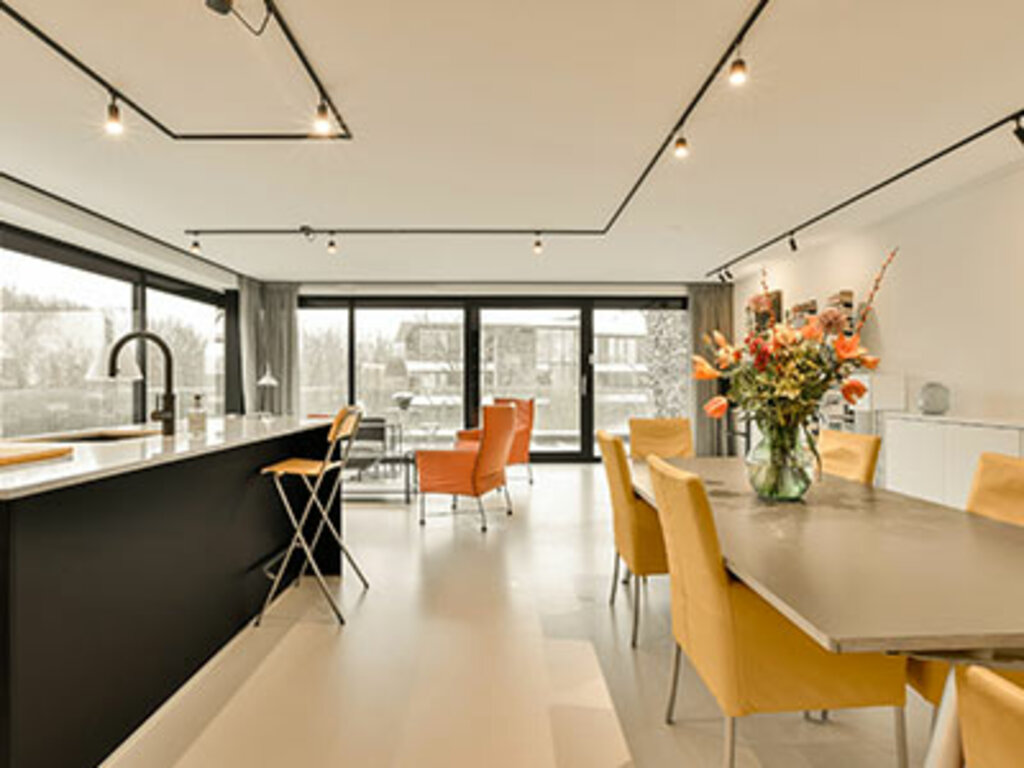 While wood flooring offers a timeless, elegant look for kitchens, there are times when you might consider alternative flooring options. Factors such as moisture levels, durability, and maintenance play an important role in deciding whether wood is the best option. Let’s take a closer look at when you should consider other flooring types and how they compare to wood:
When Should You Consider Other Flooring Options Like Tile or Vinyl?
In kitchens, where moisture and high foot traffic are common, tile and vinyl flooring can be preferable alternatives to wood flooring. If you live in a high-humidity area or have a kitchen that experiences frequent water spills or splashes, wood flooring may be at risk of warping or staining. In these situations, ceramic or porcelain tile can be a great choice as it is water-resistant, durable, and easy to clean. Additionally, tile offers a wide variety of colours, textures, and designs, making it versatile for different kitchen styles.
Vinyl flooring is another alternative that can provide the look of wood but with superior moisture resistance. Modern luxury vinyl planks (LVP) mimic wood very closely and are highly durable, waterproof, and affordable. Vinyl is also much easier to maintain compared to wood, requiring only occasional cleaning to maintain its appearance.
Comparing Wood Flooring to Other Materials for Kitchen Spaces
When comparing wood flooring to other materials like tile or vinyl, there are several factors to consider:
Moisture Resistance: Wood, even engineered wood, is more susceptible to moisture than tile or vinyl. While engineered wood has better moisture resistance than solid wood, vinyl and tile are completely waterproof, making them better suited for high-moisture kitchen environments.
Durability: Tile and vinyl are generally more scratch- and dent-resistant than wood, which is especially important in kitchens with high foot traffic or when there are heavy items in use. However, wood floors can be refinished if they become scratched, while tile and vinyl usually require replacement once damaged.
Aesthetic Appeal: While wood flooring offers a timeless and natural look, tile can provide a sleek, modern, or rustic style depending on the choice of design. Vinyl also offers a wide range of wood-look styles, but its visual appeal may not have the same warmth and authenticity as real wood.
Maintenance: Wood floors require more maintenance, such as sealing and refinishing, especially in high-moisture areas. On the other hand, tile and vinyl are easy to clean and require minimal upkeep, which may make them more appealing for busy kitchens.
While wood flooring offers many benefits, it's not always the best option for every kitchen. Consider factors like moisture, maintenance, and durability when deciding between wood and alternatives like tile or vinyl. Each material offers unique advantages, and the right choice depends on your specific needs and style preferences.
Recommendations Based on Kitchen Size, Lifestyle, and Preferences
For small kitchens or high-traffic areas: Opt for laminate or engineered wood flooring. Both offer durability and easy maintenance, which are ideal for smaller spaces that experience more wear and tear.
For larger kitchens: Consider engineered wood for its stability and moisture resistance. A large kitchen might have varying temperatures and humidity levels, so engineered wood is a great choice to maintain the floor’s integrity.
For eco-conscious homeowners: Reclaimed wood are excellent option. Both are sustainable and environmentally friendly, making them perfect choices if you're prioritising eco-conscious living.
For families with pets: Laminate flooring is a great choice due to its scratch-resistant surface. It’s also easier to clean and maintain in kitchens that see a lot of activity.
No matter your style or needs, there’s a wood flooring option that can meet your kitchen’s requirements. By carefully considering factors such as moisture resistance, durability, and aesthetic appeal, you can choose the best wood flooring for your kitchen that fits your lifestyle and budget.