How to Choose the Right Flooring for Every Room in Your Home

Choosing the right flooring for each room of your home is about more than just aesthetics — it’s about balancing practicality, durability, and comfort. Every space in your home has unique needs, from moisture resistance in the bathroom to warmth and style in the living room. By selecting the most suitable flooring for each area, you can enhance the functionality and appearance of your entire home while making a smart long-term investment.
In this guide, we’ll walk through the key factors to consider and recommend the best flooring options for kitchens, bathrooms, bedrooms, living areas, and more.
Key Factors to Consider Before Choosing Flooring
Before selecting a flooring type for any room, it’s important to consider how the space is used and what kind of performance the floor needs to deliver. Here are the most important factors to keep in mind:
- Room usage and foot traffic: High-traffic areas like hallways and kitchens require tougher, more durable materials, while low-traffic rooms such as guest bedrooms can accommodate softer or more delicate flooring types.
- Moisture and humidity levels: Bathrooms, kitchens, and utility rooms need water-resistant flooring to prevent damage, warping, or mould growth.
- Maintenance and cleaning: Some floors are easier to maintain than others. Consider how much time you're willing to spend on cleaning and upkeep.
- Comfort underfoot: In spaces like bedrooms and home offices, comfort and sound insulation may be just as important as durability.
- Budget and long-term value: Cheaper options may save money upfront, but premium flooring like hardwood or LVT often delivers better longevity and adds more value to your home.
Best Flooring Types by Room
Kitchen & Dining Areas
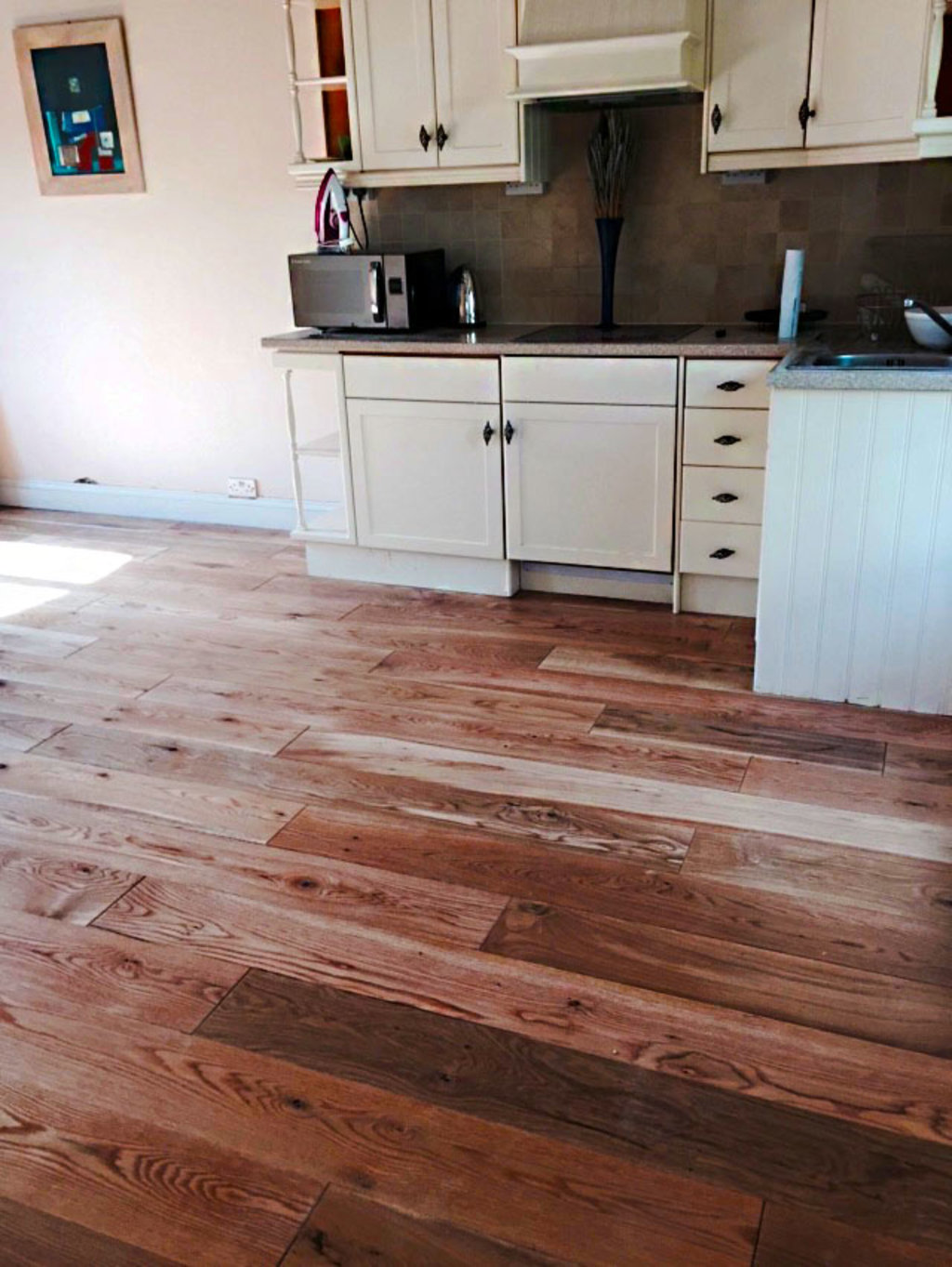
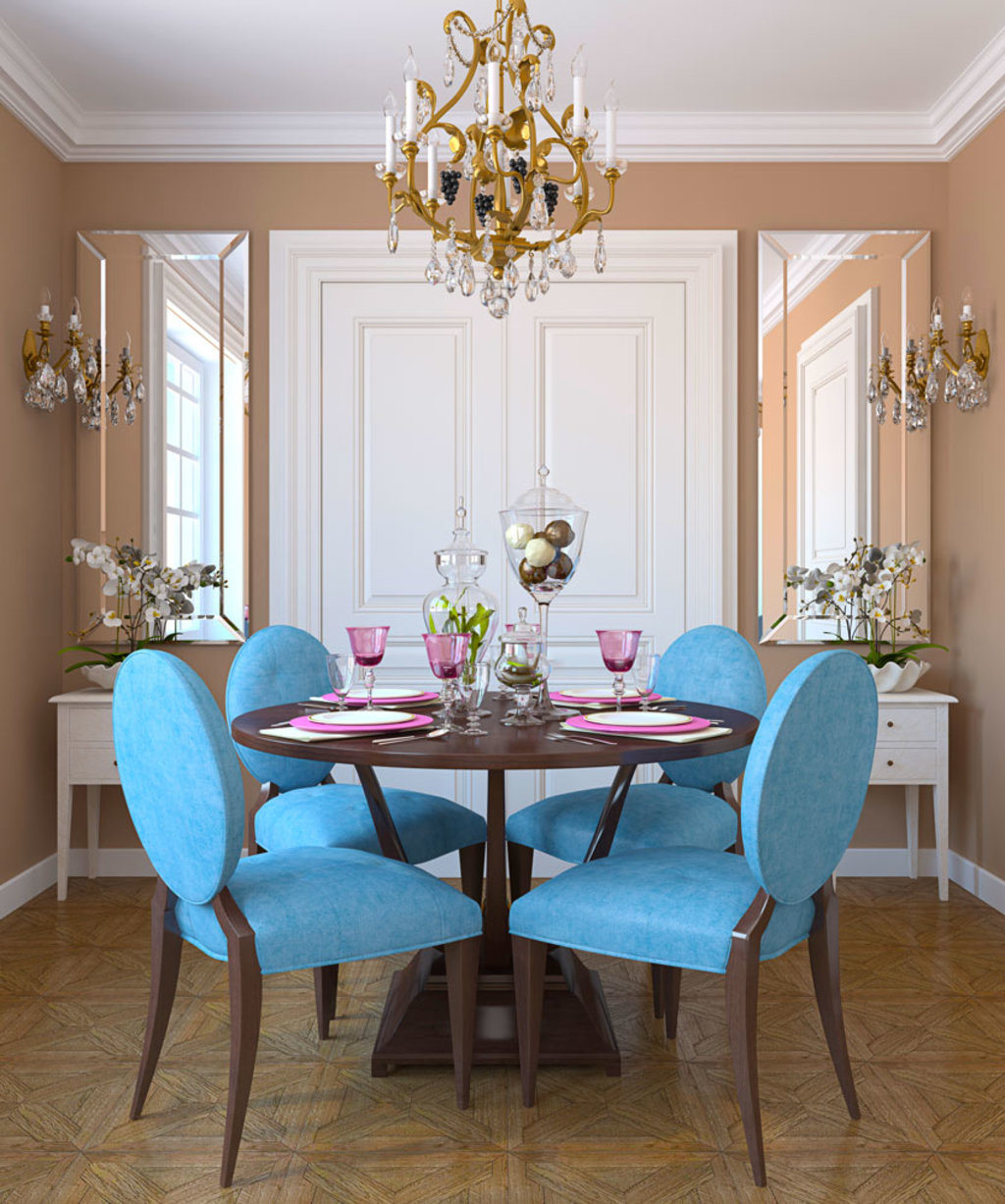
These high-traffic, spill-prone spaces demand flooring that’s durable, water-resistant, and easy to clean. LVT and SPC flooring are excellent choices for kitchens and dining areas, offering realistic wood and stone looks with waterproof protection. Engineered wood can also work well, especially when paired with a water-resistant finish.
Bathrooms & Utility Rooms
Moisture is the biggest concern in these areas. LVT and high-quality tiles are the safest bets, as they can handle wet conditions without swelling or damage. Avoid real wood here unless it’s specifically rated for moisture resistance and expertly sealed.
Living Rooms & Hallways
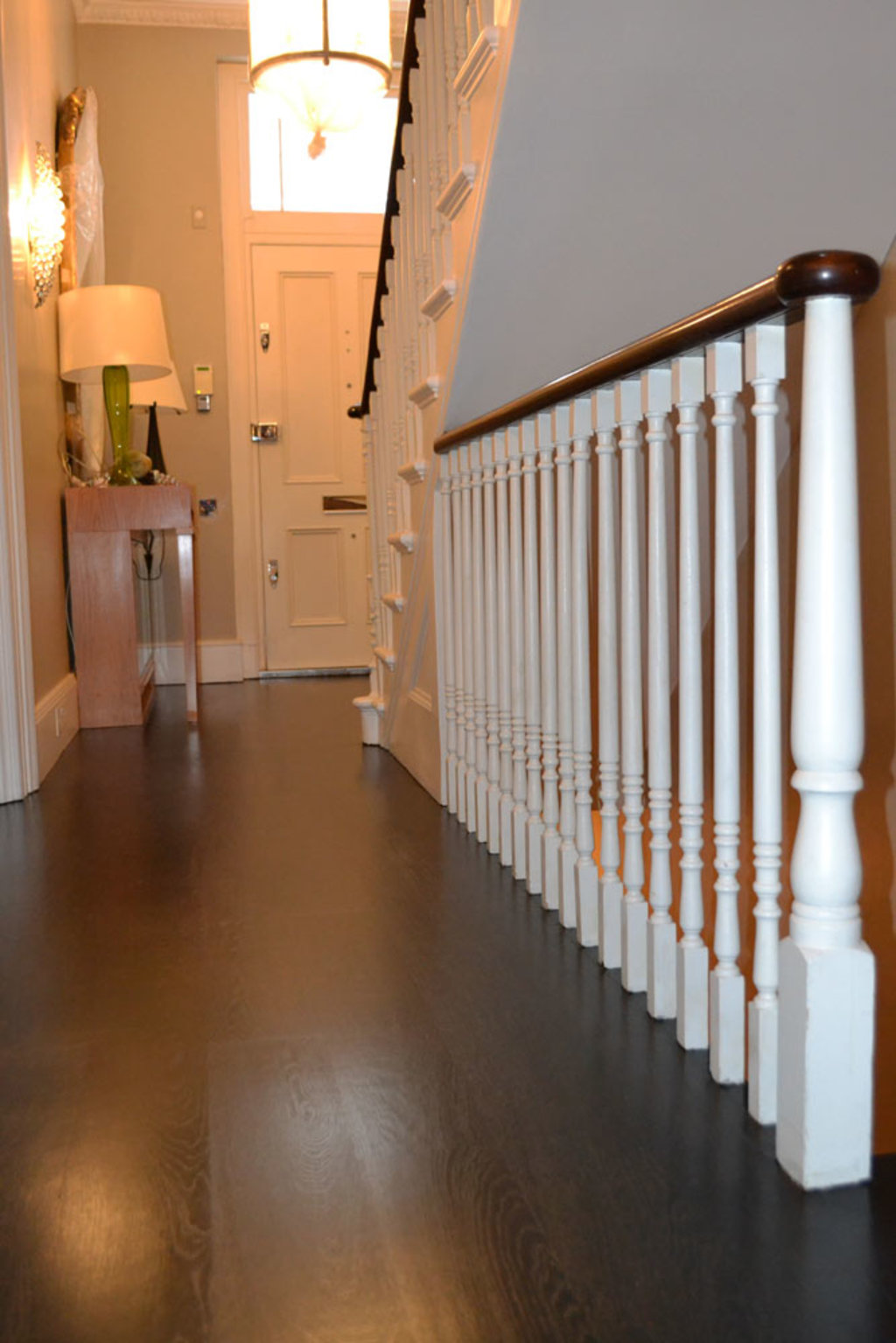
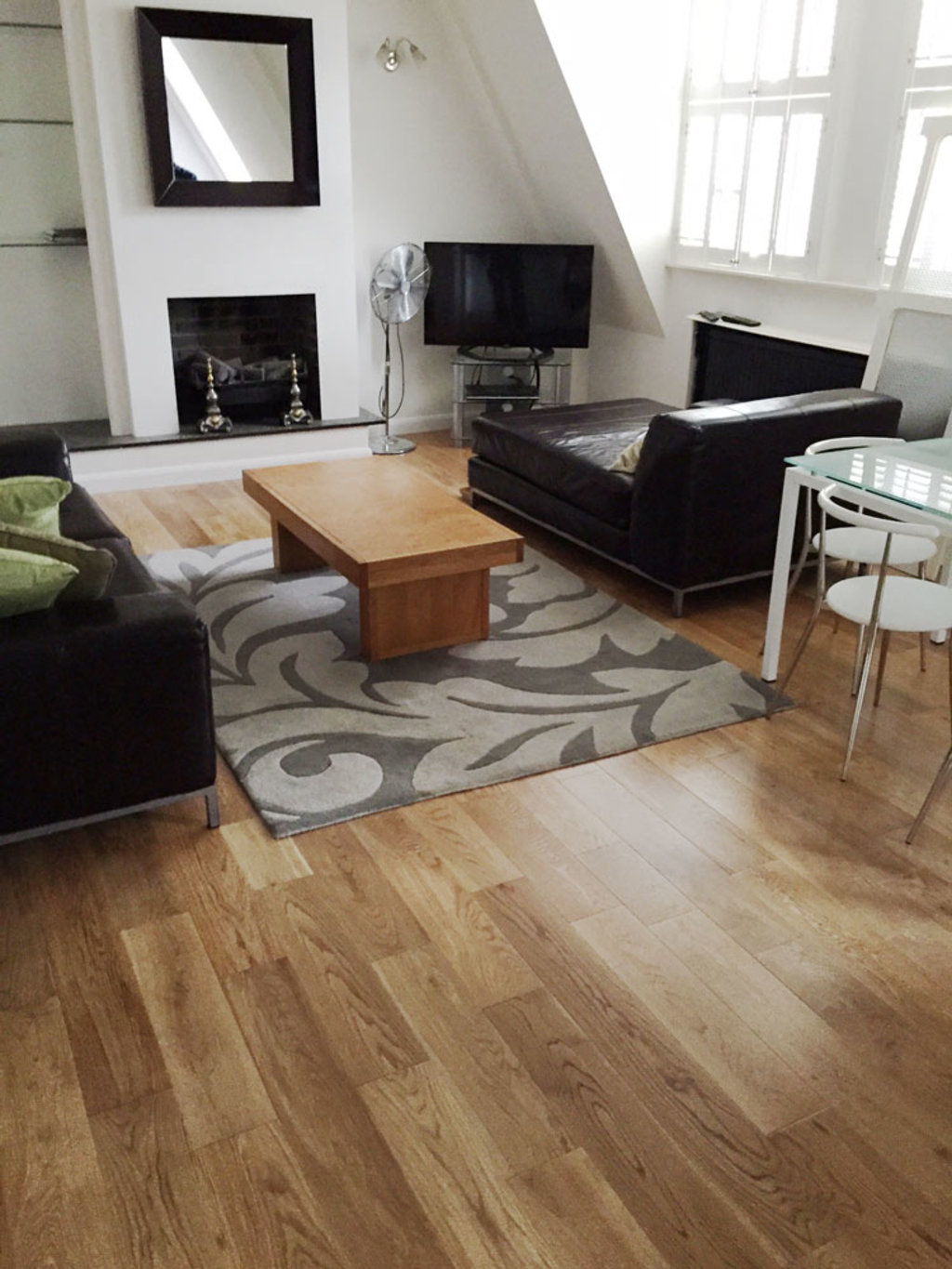
These spaces benefit from a warm, stylish floor that can withstand daily wear. Solid wood or engineered wood flooring adds elegance and resale value. Laminate is also a durable, budget-friendly alternative with a similar appearance.
Bedrooms & Home Offices
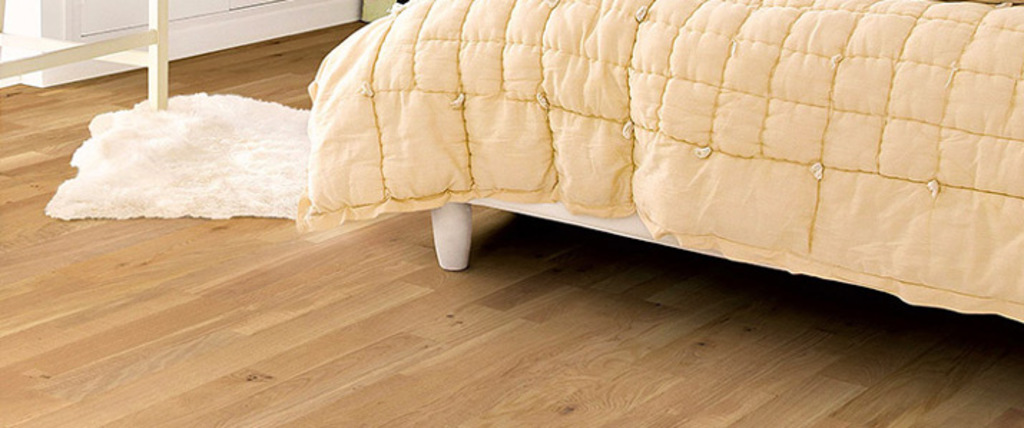
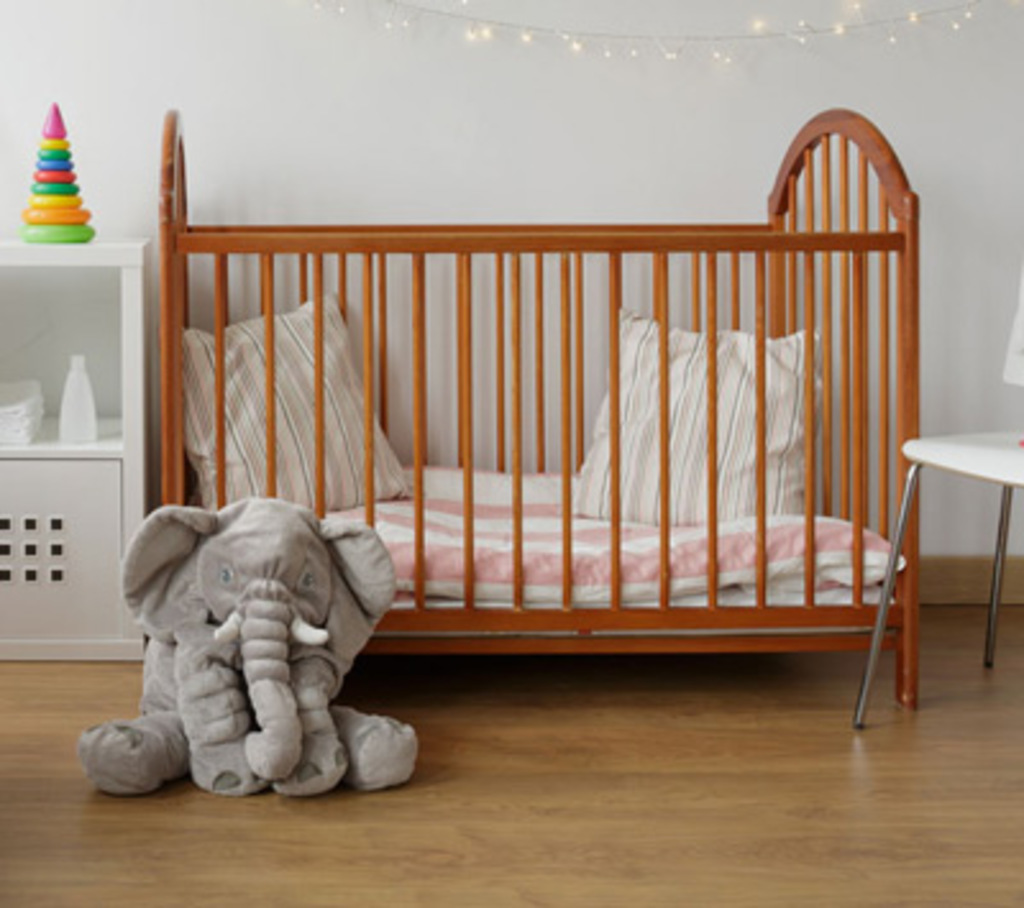
Comfort and quiet matter most here. Laminate and LVT provide comfort underfoot with minimal maintenance. For a luxury feel, consider parquet flooring or engineered wood with a soft matt finish. Carpets remain a favourite in bedrooms for warmth and sound absorption, though they require more upkeep.
Entrances & Mudrooms
These areas face heavy footfall, dirt, and moisture from outdoors. Durable and waterproof options like SPC vinyl or scratch-resistant laminate flooring are ideal. Avoid solid wood, which can be damaged by wet shoes and outdoor debris.
Comparing Popular Flooring Types
Still unsure which flooring is best? Here’s a quick side-by-side comparison of the most popular options we offer, based on performance, maintenance, and best-use areas:
| Flooring Type | Pros | Cons | Best For |
|---|
| Engineered Wood | Real wood surface, stable, suitable for underfloor heating | Higher cost than laminate or vinyl | Living rooms, bedrooms, hallways |
| Solid Wood | Long lifespan, can be sanded and refinished many times | Expensive; not moisture-resistant | Lounges, dining rooms, feature spaces |
| LVT / SPC Vinyl | Waterproof, easy to maintain, modern designs | Not real wood; may need replacement sooner | Kitchens, bathrooms, utility rooms |
| Laminate | Affordable, scratch-resistant, wide range of looks | Not water-resistant unless specified; can’t be refinished | Bedrooms, offices, hallways |
| Carpet | Warm, soft, excellent sound insulation | Stains easily; not ideal for allergy sufferers | Bedrooms, guest rooms, home offices |
Room-by-Room Quick Recommendations
To help simplify your decision, here are some quick flooring suggestions based on room type and typical use:
- Kitchen: Go for waterproof, easy-to-clean options like LVT or water-resistant laminate.
- Bathroom: Stick with SPC vinyl or tiles — avoid wood unless fully sealed.
- Living Room: For elegance and comfort, choose engineered wood or solid wood.
- Bedroom: Comfortable options like laminate, parquet flooring, or carpet work best here.
- Hallways & Entrances: Choose tough materials like SPC or laminate that can withstand heavy use and dirt.
For a seamless look, consider using the same flooring in connected open-plan areas. This enhances visual flow and makes spaces feel larger and more cohesive.
Tips for Maintaining Value & Cohesion
Choosing the right flooring is not just about individual rooms — it’s also about how the whole home feels. These tips will help you make decisions that protect your investment and elevate your interior:
- Stick to natural tones: Wood shades like oak, walnut, and warm greys appeal to a wide range of buyers and match most décor styles.
- Limit flooring variation: Use no more than 2–3 flooring types across the home to maintain visual flow and avoid a patchwork effect.
- Choose sustainable materials: Look for FSC-certified wood, low-VOC finishes, or long-lasting products like engineered wood and SPC vinyl to reduce environmental impact.
- Opt for wider planks and matt finishes: These modern features feel high-end and are easier to maintain, especially in larger rooms or open-plan layouts.
By balancing aesthetics with practical choices, you can create a home that feels unified, stylish, and easy to live in — while also maintaining or increasing its value.
FAQ
1. What flooring handles spills best?
LVT and SPC vinyl flooring are the best options for handling spills and moisture. They are fully waterproof, making them ideal for kitchens, bathrooms, and utility rooms.
2. Should I match flooring throughout my home?
Consistency helps create a cohesive look and can make your home feel more spacious. However, it's okay to use different types in areas with specific functional needs, like bathrooms or mudrooms — just keep colours and tones complementary.
3. What's the easiest flooring to clean?
Laminate and SPC flooring are among the easiest to clean. They resist stains, require no sealing, and just need regular sweeping and mopping.
4. Is underfloor heating compatible with wood floors?
Yes — especially with engineered wood flooring, which is more stable than solid wood and performs well with modern heating systems.
5. What flooring is best for allergy sufferers?
Hard surfaces such as parquet, LVT, or laminate are ideal because they don't trap dust or allergens like carpet does.

Conclusion
Each room in your home has its own set of needs — and the right flooring can make all the difference in comfort, function, and style. By considering foot traffic, moisture levels, and your lifestyle, you can choose flooring options that look beautiful and perform well for years to come.
Whether you want the elegance of wood, the practicality of vinyl, or the affordability of laminate, there’s a perfect solution for every space. Need help deciding? Contact us for expert recommendations tailored to your home.