How To Choose The Perfect Hardwood Floor Color
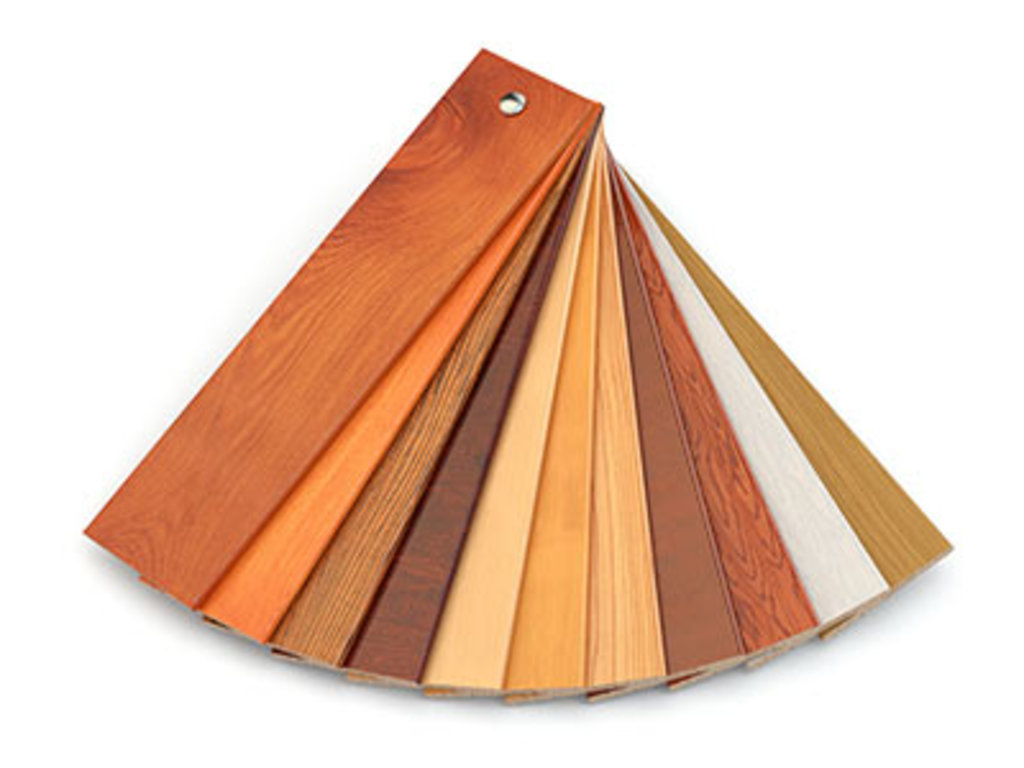 Choosing the right hardwood floor colour is a significant decision, as it greatly impacts the aesthetics and atmosphere of your home. Hardwood flooring is not just an investment in your property; it is also a crucial element that contributes to your home's overall style, warmth, and character. With a wide array of colour options available—from rich, dark tones to light and airy shades—it’s easy to feel overwhelmed. However, selecting the perfect colour doesn't have to be a daunting task. In this article, we’ll share essential tips and insights that will guide you in making an informed decision, ensuring that your choice complements your style and enhances the beauty of your living space.
Colours That Match Your Existing Décor
When selecting a hardwood floor colour, the first consideration should be your existing décor and colour scheme. It’s essential that your wood flooring harmonises with, rather than clashes against, the colours of your walls, furniture, and accessories. Ideally, you want to avoid flooring that blends in too closely with your existing elements, as this can lead to a monotonous and cramped appearance.
The hue of your hardwood flooring should enhance the overall aesthetics of your home, including furniture, carpets, and any other flooring types you plan to retain. Pay attention to your wall paints, trim colours, cabinet finishes, and even appliance hues. For instance, if you have rich, dark cabinetry, consider selecting a wood floor colour that contrasts but still complements those depths, such as a medium oak or a light maple, which can create visual interest while drawing out the beauty of your cabinets.
Moreover, contrasting colours can help to define spaces, adding depth and dimension to your rooms. If your existing décor predominantly features warm tones, try a cooler wood floor colour to create a pleasant balance. On the other hand, if your furniture and walls are mostly cool colours, consider incorporating warmer wood tones. This thoughtful approach helps keep a connected yet dynamic feel throughout your living spaces.
Deep Colors For Opened Spaces
Beautiful flooring is something that many people seek, and when you have a huge open space, the flooring will be the focal point. Deep colours are a good choice for open areas because they enable the character of the floor to show through. These rich hues can add depth and warmth to large spaces, creating an inviting atmosphere that encourages relaxation and comfort.
Choosing deep tones, such as dark walnut, mahogany, or charcoal, can draw the eye and create a striking contrast against lighter-coloured walls or furnishings. This not only highlights the elegance of the floor but also makes the space feel more cohesive and grounded.
However, it's important to balance deep colours with ample lighting to avoid making the area feel smaller or closed-in. Incorporating natural light through windows or using strategically placed light fixtures can help showcase the beauty of your flooring while maintaining an open and airy vibe. By thoughtfully integrating deep colours into your spacious areas, you can transform your home into a stylish and inviting sanctuary.
Avoid Dark Wood For Small Spaces
If you have a tiny space with little natural lighting or if the area already has darker-coloured walls, opting for lighter-coloured wood flooring is a better choice. A room with overly dark flooring can create a sense of dread and gloom, making the space feel even more constricted and uninviting.
Lighter wood tones, such as maple, birch, or light oak, can help to open up the area, reflecting more light and creating an airy and welcoming atmosphere. These hues not only enhance the sense of space but also provide a fresh and bright look that can make even the smallest of rooms feel more expansive.
Furthermore, using lighter flooring in conjunction with light wall colours and decor can further enhance this effect, encouraging a more cohesive and harmonious design. Incorporating mirrors or light-coloured furnishings can also amplify the brightness, ensuring that your small space feels as inviting and expansive as possible.
Choose Dark For Art Spaces And Light Walls
Dark wood flooring tends to reveal scratches a little more than lighter wood floors, which is an important consideration for maintenance. Conversely, light wood floors can give a sense of needing to vacuum continuously since they tend to display dirt and dust more prominently. If you prioritise cleanliness and maintenance, a light floor might be ideal for your space. However, if you have pets or children, you might find that a dark floor better suits your needs, as it can be more forgiving when it comes to showing wear and tear.
When it comes to room aesthetics, pairing light-coloured walls with darker wood flooring creates a modern and contemporary impression. This contrast can significantly elevate the visual appeal of your space. Darker tones like black or deep crimson are particularly popular choices for art rooms or home offices, where a sophisticated ambience is often desired. These colours not only provide a dramatic backdrop for your creativity but also enhance the artistic elements and features within the space.
Ultimately, the choice between light and dark flooring should align with your lifestyle, maintenance preferences, and the overall atmosphere you want to achieve in your home.
Trendy vs Classic Colors
Whether you hire a professional to install the best engineered wood flooring money can buy, have your handyman lay concrete flooring that mimics wood, or decide to DIY wood floors, the colour and design choices you make will significantly affect both the price and resale value of your flooring.
You can choose a classic and timeless wood floor hue, such as red oak or hickory, which can evoke a sense of warmth and enduring beauty in your space. Alternatively, you may prefer a contemporary and modern flooring aesthetic, opting for trendy colours like grey-toned wood or white-washed oak that reflect current design trends. Each option has its own set of advantages and disadvantages. Classic colours often appeal to a broader range of prospective buyers, while modern hues may resonate with those looking for a fresh and updated feel.
If you're considering selling your home shortly, opting for trendy colours can enhance your property’s appeal and potentially expedite the selling process. However, it’s important to strike a balance - choose a colour that complements your home’s style while ensuring it aligns with market preferences. With a little research, you can find a wood floor colour that not only suits your taste but also adds value and attractiveness to your home.
Natural Colors For More Traffic Areas
High-traffic areas and locations where pets and children play tend to be more prone to scratches and dents in your hardwood flooring. To help mitigate the appearance of these imperfections, consider choosing a natural-coloured wood floor that features a matte or satin finish rather than a glossy one. A natural finish helps to mask scrapes and dents, allowing them to blend in seamlessly with the wood’s grain and texture.
Opting for wood species like maple, ash, or birch, which often possess a more consistent and lighter tone, can further assist in disguising everyday wear and tear. These natural colours provide a warm and inviting atmosphere while being practical for busy households.
Moreover, textured finishes or wire-brushed surfaces can enhance durability by adding depth and character, making any blemishes less noticeable. This choice allows your flooring to maintain a fresh and clean look despite its frequent use. By selecting a natural wood colour and a suitable finish, you can enjoy both beauty and functionality in the hard-working areas of your home.
Match Samples To Your Walls Beforehand
When it comes to choosing the colours of your hardwood flooring, always obtain several wood samples to compare in your home. This step is important, as it allows you to hold the samples up against your walls and evaluate how they interact with your existing colour scheme. By doing so, you can effectively assess the harmony between the flooring colour and your furniture, ensuring a cohesive look throughout your space.
Without samples, you won’t fully understand how the flooring will appear in your home’s lighting and environment, potentially leading to an unexpected and possibly disappointing outcome at installation time. It's easy to assume that colour will be perfect from a small swatch or an online image, but seeing it in the context of your home allows you to appreciate its true essence.
Additionally, consider viewing the samples at different times of day to see how the natural light affects the colour, as it can vary considerably. Taking the time to match samples to your walls will ultimately save you from costly mistakes, ensuring you choose a flooring option that you’ll love for years to come.
No Floors Are The Same
Keep in mind that no two floors are exactly alike. This means you should be prepared for a shade that may be slightly lighter or darker than what you initially expected when choosing a floor for your home. Variations in wood grain, staining techniques, and even the light conditions in your space can all contribute to these subtle differences.
If you’re having trouble deciding on a colour for your hardwood flooring, remember to keep the guidelines shared earlier in mind, but most importantly, always choose something you love. Your flooring will play a significant role in defining the overall atmosphere of your home, so it’s essential to select a colour that resonates with your style and preferences.
Trust your instincts and evaluate how each option aligns with your vision for your home. Ultimately, the best choice is one that not only meets your aesthetic desires but also enhances your living space, making it a warm and inviting environment for you and your loved ones.