What Makes Oak Such a Popular Material for Flooring?

Oak has long been one of the most popular choices for flooring in the UK — and for good reason. Recognised for its strength, elegance, and longevity, oak provides the ideal blend of practicality and timeless style. In a market where homebuyers value quality finishes, oak flooring continues to stand out as a smart, long-term investment.
Understanding the Different Types of Oak
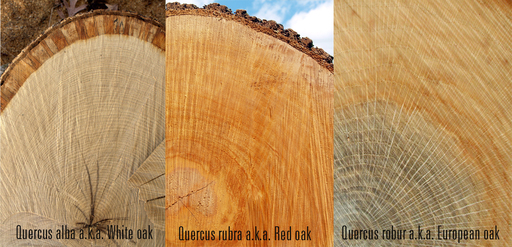
Not all oak is the same — and understanding the differences can help you make a more informed flooring choice. The three most commonly used types of oak in flooring are:
- European Oak (Quercus robur): Native to the UK and widely used in engineered wood flooring. Known for its stability, medium to light brown tones, and distinctive grain pattern, it’s ideal for both traditional and modern interiors.
- White Oak (Quercus alba): Sourced primarily from North America, white oak is harder than red oak and more moisture-resistant. Its tight grain and neutral tone make it excellent for contemporary grey or whitewashed finishes.
- Red Oak (Quercus rubra): Also from North America, red oak has a slightly more open grain and warmer reddish hue. It’s slightly softer than white oak but remains a durable and attractive option for home flooring.
Each variety offers unique colour, grain, and hardness characteristics. European oak is especially prized in the UK for its balance of beauty, availability, and workability.
Exceptional Hardness and Durability
One of the key reasons oak remains a top flooring choice is its exceptional strength. Oak is naturally hard-wearing, making it ideal for high-traffic areas like hallways, living rooms, and open-plan spaces. On the Janka hardness scale — which measures wood resistance to denting — white oak scores around 1,360 lbf, while red oak is close behind at 1,290 lbf. This makes both significantly more durable than softer woods like cherry or pine.
In practical terms, oak flooring stands up well to daily wear and tear, from foot traffic to pet claws and moving furniture. It’s also less prone to surface impressions or dents compared to many alternatives. Whether in solid or engineered form, oak is a resilient material that retains its good looks for decades when properly maintained.
Natural Resistance and Longevity
Oak is naturally rich in tannins, a compound that provides it with excellent resistance against fungi, insects, and moisture-related decay. This built-in durability makes it especially suitable for long-term flooring use, even in busy family homes or commercial environments. White oak, in particular, has a closed grain structure that helps repel water more effectively than many other wood species.
Thanks to its strength and resistance, oak flooring can last for generations. Solid oak floors may endure for over 100 years with proper care, while engineered oak floors can often last 25–50 years depending on the thickness of the wear layer. The ability to sand and refinish the surface several times further extends its lifespan, making oak a highly sustainable and cost-effective flooring investment.
Aesthetic Appeal: Grain, Tone & Finishing Versatility
Oak’s visual appeal is one of its most celebrated qualities. Its natural grain patterns — ranging from subtle to pronounced — add depth and texture to any room. The warm, neutral tones of oak make it incredibly versatile, blending seamlessly with both modern and traditional décor.
Oak also responds beautifully to stains and finishes. From classic honey and golden shades to contemporary grey or whitewashed tones, oak can be tailored to suit virtually any interior style. White oak, with its consistent grain and light base colour, is especially popular for modern grey-toned floors. Brushed, smoked, or matt lacquered finishes further enhance its texture and give homeowners more aesthetic control.
This flexibility makes oak an excellent choice whether you’re renovating a period property or designing a sleek new build.
Ease of Maintenance and Repair
In addition to its beauty and strength, oak flooring is surprisingly easy to care for. Regular sweeping or vacuuming and occasional mopping with a wood-friendly cleaner are usually all that’s needed to keep it looking great. Oak’s dense grain structure makes it naturally resistant to dirt buildup and surface scratches.
Minor scuffs or marks can often be buffed out or spot-treated, especially on oiled finishes. For more significant wear, oak floors — particularly solid or thick engineered types — can be sanded and refinished to restore their original appearance. This makes oak not only a low-maintenance choice but also one that can be refreshed over time, extending its lifespan and maintaining its value.
Health, Environmental & Sustainability Benefits

Oak flooring is not just beautiful and durable — it’s also a healthy and environmentally conscious choice. Unlike carpets, oak floors do not trap dust, pollen, or allergens, making them ideal for people with allergies or respiratory issues. They also help maintain better indoor air quality, especially when finished with low-VOC lacquers or natural oils.
From a sustainability perspective, oak is a renewable material that can be responsibly sourced from well-managed forests. Many oak floors available today are FSC® or PEFC™ certified, ensuring they come from sustainable sources. Additionally, oak’s long lifespan and ability to be refinished mean fewer replacements over time, reducing waste. As a natural product, oak also stores carbon throughout its lifetime, helping lower the carbon footprint of your home.
Why Oak Adds Value to Homes
Oak flooring is not only a design upgrade — it's a smart investment that can boost the overall value of your property. Estate agents and interior designers consistently highlight the appeal of natural wood floors to potential buyers. Oak’s reputation for durability, elegance, and longevity makes it a standout feature during home viewings.
According to industry insights, hardwood flooring can increase a home’s resale value by 3–5%, with oak often leading the way due to its broad appeal. Homes with oak floors tend to sell faster and attract stronger offers, especially when the flooring is in good condition and professionally finished.
Because oak is so adaptable to different styles and settings, it also appeals to a wider buyer pool — from traditionalists to fans of modern, minimalist interiors. That means more potential buyers are likely to see your home as move-in ready, increasing its market competitiveness.
When Oak May Not Be Ideal
While oak is a highly durable and attractive flooring material, it isn’t always the best fit for every situation:
- High-moisture environments: Even engineered oak is not ideal in bathrooms or overly damp basements unless appropriately sealed and moisture barriers are used.
- Budget constraints: Oak flooring—especially solid oak or high-grade engineered—can be more expensive than laminate, LVT, or carpet. If you're focused on short-term gains or lower-cost updates, alternatives may provide better immediate ROI.
- Inconsistent interior flooring: Mixing oak in some rooms and cheaper options in others can disrupt design cohesion, potentially affecting buyer perception and value. Maintaining uniformity across the home is usually more appealing.
Tips for Choosing Oak Flooring
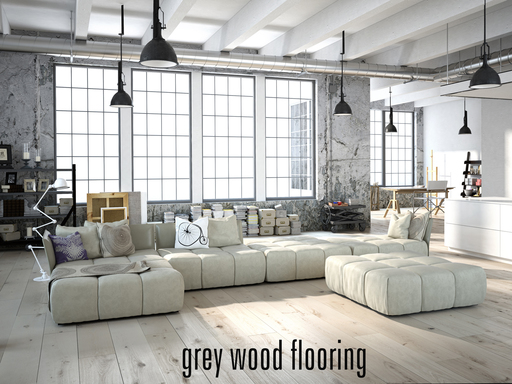
To make the most of your investment in oak flooring, it’s important to choose the right type and finish for your space. Here are some key tips to help guide your decision:
- Match the oak to your décor: Lighter tones and brushed finishes suit modern interiors, while warmer, richer shades work well in traditional homes.
- Choose between solid and engineered: Solid oak is ideal for long-term durability and refinishing, while engineered oak is more stable in fluctuating temperatures and compatible with underfloor heating.
- Opt for neutral, natural finishes: Natural oak tones offer wider appeal for future resale and provide a timeless look that won’t quickly go out of style.
- Check the wear layer: For engineered oak, a thicker top layer (around 4mm or more) allows for refinishing and longer lifespan.
- Prioritise quality installation: Always use a trusted professional to fit your oak flooring, especially if installing herringbone or other patterned layouts.
Mini FAQ
1. What’s the difference between red and white oak?
White oak has a tighter grain and a slightly higher hardness rating than red oak. It also has more neutral tones and better moisture resistance, making it a popular choice for modern finishes. Red oak has a warmer hue and a more pronounced grain pattern.
2. Can oak floors be refinished?
Yes, both solid oak and engineered oak with a thick enough wear layer can be sanded and refinished multiple times. This allows you to refresh the look and extend the lifespan of your floor.
3. Is oak flooring suitable for allergy sufferers?
Absolutely. Oak floors do not trap dust, pollen, or pet dander, making them a healthier option for people with allergies compared to carpeted surfaces.
4. How sustainable is oak as a flooring material?
When sourced from certified forests, oak is a sustainable and renewable resource. Its long lifespan also means fewer replacements over time, reducing environmental impact.
5. Are oak floors worth the investment?
Yes. Oak flooring adds timeless style and increases property value. Its strength, versatility, and ability to be refinished make it a long-term, value-driven choice.
Conclusion
Oak has earned its place as one of the most popular flooring materials for good reason. It combines exceptional durability, natural beauty, and long-term value, making it suitable for nearly every style of home. Whether you prefer the rustic charm of brushed oak or the clean sophistication of a grey-toned finish, oak offers timeless appeal that enhances any space.
If you're looking for a floor that can stand the test of time while boosting the comfort and value of your home, oak is a choice you won’t regret.
Explore Oak Flooring Options
At Flooring Supplies Centre, we stock a wide range of engineered oak flooring to suit all budgets and interior styles. Whether you're planning a full renovation or just upgrading a single room, our oak collections offer quality, durability, and design flexibility.
Need help deciding? Visit our flooring advice guides or contact us for expert assistance in choosing the right oak floor for your home.