Parquet Flooring Maintenance Guide
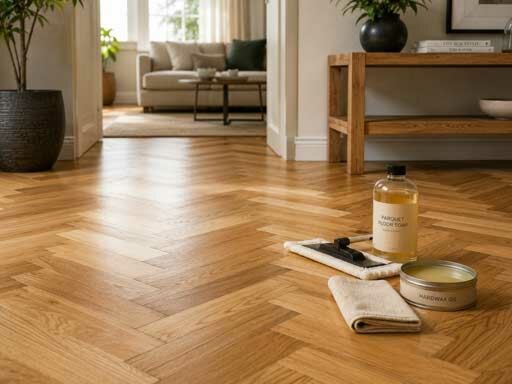
Parquet flooring isn’t just a floor—it’s an art piece under your feet. From herringbone elegance to chevron chic, parquet has been turning heads for centuries and still makes any home look effortlessly stylish. But here’s the deal: while parquet floors are timeless, they don’t stay flawless without a little TLC. Like any wooden surface, they need the right care and attention to keep their shine, avoid scratches, and last for generations.
The good news? Looking after parquet isn’t as scary (or as complicated) as it sounds. With a regular parquet floor cleaning routine, a few preventive tricks, and the occasional professional refresh, your floors will stay as stunning as the day they were laid. This guide will walk you through everything you need to know—from daily upkeep to long-term parquet maintenance tips—so you can enjoy your floors without worrying about every scratch or spill.
Daily and Weekly Cleaning Routine
Parquet may look fancy, but it doesn’t need a royal cleaning squad to stay in good shape. The secret lies in consistency. A little bit of care every day (or at least every few days) goes a long way in keeping parquet floors looking sharp and damage-free.
- Dust and Sweep Regularly: Use a soft-bristled broom or a microfiber mop to whisk away dust and grit. Why? Because those tiny particles act like sandpaper underfoot, slowly scratching your beautiful parquet if left unchecked.
- Vacuum with Care: Yes, vacuums are parquet-friendly—as long as you use one with a brush attachment made for wooden floors. Avoid beater bars or harsh rollers, which can scuff the surface faster than your dog chasing its tail on polished parquet.
- Weekly Refresh: Once a week, give your floor a little extra love. Go over it thoroughly with your microfiber mop or vacuum to make sure no dust bunnies are plotting world domination in the corners.
Keeping up with this simple routine prevents scratches, dullness, and premature wear. Plus, it means you can spend less time worrying about floor damage and more time admiring how chic your parquet looks—even in the middle of a Lego battlefield or a family dance-off.
Mopping and Dealing with Spills
If parquet floors had one arch-nemesis, it would be water. Too much of it, and you’ll end up with warped boards and a repair bill that could make you weep. But that doesn’t mean you can’t mop your parquet—it just means you need to do it smartly.
- Damp, Not Drenched: Always use a slightly damp mop, never one that’s dripping. A light mist of water or a wood-floor spray is more than enough. Think “spa facial mist,” not “bucket challenge.”
- Right Products Matter: Stick to parquet-safe cleaning solutions with a neutral pH. Harsh chemicals and generic floor cleaners can damage the finish or leave streaks. If in doubt, check the label or ask a pro.
- Spill SOS: Whether it’s juice, wine, or a toppled water glass, act fast. Wipe it up immediately with a dry cloth before the moisture has a chance to sneak between the boards. Delay = damage.
- Skip the Steam: Steam mops might sound high-tech, but they’re a parquet floor’s worst nightmare. The heat and moisture can break down the finish and swell the wood underneath. Save the steam for your veggies, not your floors.
Handled properly, mopping keeps your parquet looking fresh without the hidden risk of water damage. The golden rule? Less is more. A little dampness goes a long way—your floors should never look like they’re prepping for a swim meet.
Protective Measures for Longevity
Parquet may be stylish, but it’s not invincible. A few smart preventive steps can save you from scratches, dents, and the dreaded “worn-out” look before its time. Think of these as little bodyguards for your beautiful floors.
- Rugs & Mats Are Your Friends: Place doormats at entrances to trap dirt and grit before it gets dragged across your parquet. In high-traffic zones, throw down area rugs to absorb the brunt of daily stomping.
- Furniture Pads = Scratch Insurance: Slap felt pads under every chair, table, and sofa leg. That way, every time someone scoots a chair back, your parquet doesn’t get a new battle scar.
- Keep Nails Trimmed (Yes, Even Pet Nails): Dogs and cats love parquet almost as much as you do—but their claws aren’t exactly floor-friendly. A quick trim now and then keeps scratches at bay.
- Shoes Off Indoors: High heels + parquet = instant regret. Encourage a shoes-off policy indoors or at least keep the stilettos for nights out, not living room strolls.
- Control Humidity: Wood reacts to its environment like a diva—too much humidity and it swells, too little and it shrinks. Aim for a stable indoor humidity level (between 40–60%) to keep your parquet calm and collected year-round.
With these small but mighty protective measures, your parquet floor can last for decades, looking fabulous and fending off daily wear with ease.
Seasonal Parquet Care
Your parquet floor has moods—just like the weather outside. The key to keeping it happy year-round is adjusting your care routine with the seasons. Think of it as giving your floor its own wardrobe change for spring, summer, autumn, and winter.
- Spring Cleaning: This is the time to deep-clean after the dusty winter months. Vacuum thoroughly, mop lightly with parquet-safe cleaners, and check for any dull spots that may need a little refresh.
- Summer Humidity: Hot and sticky weather = swelling wood. Use a dehumidifier if needed to keep moisture levels under control and prevent your parquet from puffing up like a croissant in the oven.
- Autumn Check-Up: Before the heating kicks in, inspect your floors for scratches or worn areas. Add rugs in busy zones to help with the upcoming season of muddy boots and falling leaves.
- Winter Dryness: Central heating can turn your parquet into a cranky, shrinking mess. A humidifier helps maintain proper moisture levels and prevents gaps from forming between the boards.
By treating your parquet like a year-round project (instead of a one-time install-and-forget situation), you’ll keep it looking gorgeous no matter what season is outside your window.
When to Call the Professionals
No matter how diligent you are with cleaning and protecting your parquet, there will come a time when DIY just won’t cut it. That’s when the pros step in—armed with the tools, skills, and magic potions (okay, professional finishes) to restore your floor’s glory.
- Deep Scratches & Dents: If your parquet looks like it’s been through a fencing duel, sanding and refinishing by professionals is the only way to erase those scars.
- Worn or Dull Finish: When no amount of cleaning makes your floor shine anymore, it’s a sign the protective finish has worn off. A professional re-coat or full refinishing can bring it back to life.
- Water Damage: Spills are one thing, but if your parquet has warped boards or dark stains from water infiltration, don’t wait—call in an expert before it spreads.
- Loose or Lifting Blocks: Parquet is made up of many small pieces. If they start coming loose or lifting, a professional can re-glue, repair, or replace them to keep the pattern intact.
- Big Restorations: Thinking of changing your floor colour, upgrading the finish, or giving your parquet a total makeover? That’s a job for a sanding and finishing team.
Knowing when to step aside and let the experts handle it is the secret to keeping parquet floors timeless. After all, professionals don’t just fix problems—they make your floor look like it never had any in the first place.
Conclusion
Parquet flooring is a true classic—elegant, stylish, and capable of lasting generations if treated with care. But just like fine wine, it needs the right conditions and attention to shine over the years. From daily cleaning habits and seasonal adjustments to protective measures and the occasional professional intervention, maintaining parquet doesn’t have to feel like a chore. Think of it as an investment in beauty and comfort under your feet. Keep up with the little things, act fast when problems arise, and your parquet will keep rewarding you with charm, warmth, and timeless appeal for decades to come.
Parquet Flooring Maintenance FAQ
How often should I clean my parquet floor?
Ideally, give it a light clean (vacuum or sweep) every few days and a slightly deeper clean once a week. Parquet loves consistency—think “little and often” rather than “once in a blue moon.”
Can I mop parquet floors with water?
Yes, but carefully. Always use a damp mop, never soaking wet. Too much water is parquet’s worst nightmare and can lead to warping or damage.
What cleaning products are safe for parquet?
Stick to wood floor-specific cleaners with a neutral pH. Harsh chemicals, vinegar-heavy solutions, or generic sprays can damage the finish or dull the wood.
Do I need to refinish parquet floors?
Eventually, yes. A quality parquet floor can be sanded and refinished multiple times in its life. This refreshes the finish, removes scratches, and makes it look brand new again.
How do I prevent scratches on my parquet floor?
Simple: rugs, felt pads, and trimmed pet nails. Think of them as a protective shield against daily wear and tear. And maybe keep high heels off the parquet—it’ll thank you later.
Is parquet flooring high maintenance?
Not really. With the right routine, parquet is surprisingly easy to look after. Regular cleaning, stable indoor humidity, and the occasional professional touch-up will keep it happy for decades.