Light Oak vs Golden Oak Flooring — Which One is Right for Your Home?
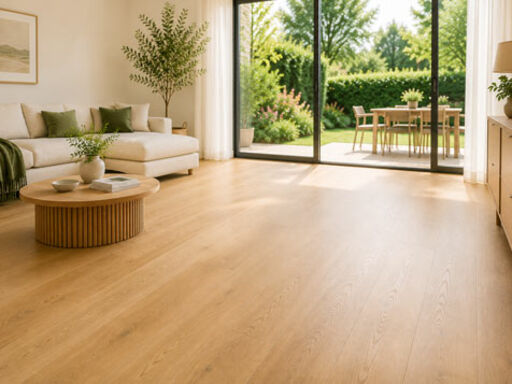
It's one of the most common questions we hear in the showroom. Someone has already decided they want oak flooring. They've done the research, they know engineered wood is the right choice for their home, and they're ready to move forward. Then they see the options side by side — light oak and golden oak — and suddenly the decision feels much harder than it should.
Both are beautiful. Both are genuinely popular. And both can look completely different depending on the room you put them in. This guide will help you work out which one actually suits your home — not just your screen.
What's the actual difference?
Before anything else, it helps to understand what we mean by each tone.
Light oak — sometimes described as natural oak or pale oak — sits at the cooler, more neutral end of the oak spectrum. The colour is closer to a pale blonde or off-white, with minimal warm undertones. The grain is visible but the overall effect is clean, quiet, and understated.
Golden oak has a distinctly warmer tone — amber, honeyed, with richer yellow and orange undertones running through the grain. It's the classic oak colour that most people picture when they think of a traditional wood floor.
Neither is more "natural" than the other. Both are real oak — the difference comes from how the wood has been finished, whether it's been treated with a white or neutral oil that preserves the pale raw colour, or left to express its natural warmth.
The light question — and why it matters more than anything else
If there's one thing that determines which oak tone will work in a room, it's natural light. Not your taste, not your furniture, not your wall colour. Light first.
South-facing rooms that get strong direct sunlight for most of the day can handle both tones well. In bright rooms, light oak looks genuinely beautiful — it bounces light around the space and creates an airy, expansive feel. Golden oak in the same room will look warm and rich rather than dark.
North-facing rooms are where the choice becomes more critical. A north-facing living room or bedroom gets relatively little direct sunlight, and the light it does get tends to be cool and flat. In these rooms, light oak can read as cold — almost clinical — particularly on grey or overcast days. Golden oak, with its warm undertones, will make the same room feel considerably cosier and more inviting.
Open-plan spaces that span multiple aspects — a kitchen-diner that faces both east and west, for example — tend to suit light oak well, because it's neutral enough to look good in varying light conditions throughout the day.
This is the single most important reason we tell people to order samples and live with them in the actual room before deciding. What looks perfect on a screen taken in studio lighting can look very different at 4pm on a November afternoon in your north-facing living room.
Room by room — which tone tends to work where
Kitchens
Light oak has become the dominant choice in modern kitchens, particularly in open-plan layouts with handleless cabinetry and quartz worktops. The cooler tone pairs well with white, grey, and sage green units and keeps the space feeling clean and uncluttered.
Golden oak works beautifully in more traditional kitchens — shaker-style cabinetry, wooden worktops, butler sinks. It brings warmth and character without feeling heavy.
Living rooms
Both tones work in living rooms, but golden oak tends to be the more forgiving choice. Living rooms are where people spend their evenings, often under artificial lighting, and golden oak responds well to warm interior lighting in a way that light oak sometimes doesn't.
If your living room gets strong natural light and you have a modern, pared-back interior, light oak can look stunning. If it's a cosier, more traditional space — especially with period features like a fireplace or cornicing — golden oak will feel more at home.
Hallways
Hallways are high-traffic areas that take a lot of punishment. From a purely practical standpoint, golden oak tends to be more forgiving — scuffs, marks, and the general wear of daily life are less visible against a warmer, busier grain than they are on a pale, cooler surface.
That said, many people choose light oak for hallways specifically because it makes a narrow space feel wider and brighter. If your hallway is already generous in width and light, either tone works well.
Bedrooms
Bedrooms are where personal taste can lead the decision more than practicality, because foot traffic is low and spills are rare. Light oak creates a calm, restful atmosphere that works well in bedrooms designed around soft, neutral palettes. Golden oak adds warmth that some people find more comforting — particularly in rooms that don't get much morning light.
What about interior style?
As a rough guide:
Light oak tends to suit:
- Contemporary and Scandi-influenced interiors
- Minimalist spaces with clean lines
- Rooms with cool wall colours — whites, greys, soft blues and greens
- New-build homes with modern proportions
- Open-plan layouts
Golden oak tends to suit:
- Traditional and classic interiors
- Period properties — Victorian, Edwardian, Georgian
- Rooms with warm wall colours — creams, terracottas, warm greys, deep greens
- Spaces with antique or vintage furniture
- Rooms where cosiness and character matter more than clean lines
These aren't rules. Plenty of people put golden oak in a very contemporary space and make it work brilliantly. But if you're unsure where to start, your interior style is a good indicator.
Will it age well?
One thing worth knowing: oak naturally darkens and warms over time, regardless of its starting tone. Light oak will gradually develop more warmth over the years as the wood is exposed to light and air. Golden oak will deepen slightly and become richer.
This means the gap between the two tones typically narrows with age. If you're choosing light oak because you want it to stay very pale and cool indefinitely, it's worth being aware that it will mellow. If anything, this makes golden oak the slightly safer long-term choice for uncertain people — it will age predictably and gracefully.
The honest answer to which one to choose
There isn't one. And anyone who tells you otherwise without knowing your room, your light, and your interior is guessing.
What we can tell you is this: the two most common mistakes people make are choosing light oak for a room that doesn't have enough natural light to carry it, and choosing golden oak for a very modern interior where it ends up feeling at odds with everything else.
Get samples. Both of them. Put them on the floor in the room you're renovating. Look at them at different times of day — early morning, midday, late afternoon, and in the evening with your lights on. Take photos. Live with them for two or three days.
That process has saved more people from an expensive mistake than any guide ever has.
Browse and order free samples
👉 Natural Oak Engineered Flooring: Natural Oak Engineered Flooring
👉 Golden Oak Engineered Flooring: Golden Oak Engineered Flooring
👉 Browse the full engineered wood range: full engineered wood range
Not sure which tone is right for your specific room? Visit our showroom and see both tones in person under different lighting conditions. Or call us on 02088309787 — we're happy to talk it through.