Lacquer vs Oil Finish: Which One Is Easier to Maintain?
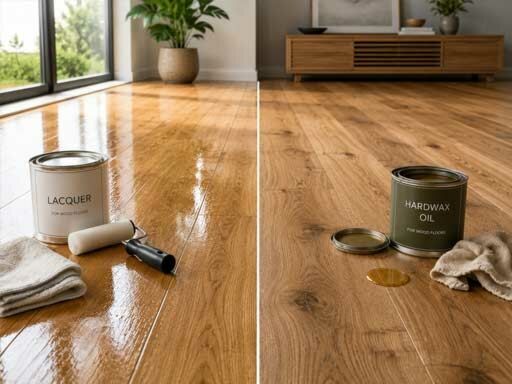
When you choose a wood floor, the finish matters as much as the colour or pattern. It sets the look and feel of the floor and decides how much work it needs to stay that way. The main options are lacquer, traditional oil and hardwax oil, and each has its own care routine.
If you’re unsure which suits your home and lifestyle, this guide compares them side by side on cleaning, long-term upkeep and repairs, so you can balance appearance with practicality.
How lacquer, oil and hardwax oil differ
- Lacquer forms a hard, protective layer on top of the wood, similar to a clear varnish. It shields the surface from moisture and stains and usually gives a smoother, glossier look. Some modern lacquers are matt and mimic the natural look of oil.
- Oil penetrates the wood fibres, enhancing the grain and giving a rich, natural, matt texture. Instead of sitting on top, it works from within. It gives a more traditional look but needs more regular upkeep.
- Hardwax oil is a modern development of traditional oil that combines natural oils with hard waxes, usually carnauba and candelilla. It penetrates the wood like oil and also forms a thin surface layer, so it resists water better than straight oil without a full lacquer film. You keep the spot-repair ability of oil, with better protection against water and abrasion than traditional oil.
Hardwax oil is a popular choice for premium engineered wood in the UK. Osmo Polyx-Oil is a widely used example, and Rubio Monocoat, Bona Craft Oil and WOCA are other strong options. Rubio Monocoat is marketed as a one-coat system. None of these are trade-only products, and most homeowners can apply a maintenance coat themselves.
Lacquer, oil and hardwax oil at a glance
| | Lacquer | Oil | Hardwax oil |
|---|
| Look | Matt, silk or gloss, smooth surface | Natural matt, grain visible and tangible | Natural low-sheen or matt, grain visible and tangible |
| Surface protection | Hard film, most resistant to abrasion and spills | Penetrates the wood, shows wear sooner | Thin surface layer, better water resistance than straight oil |
| Everyday cleaning | Easiest: damp mop, most pH-neutral cleaners | Dry cleaning, little water, special soap | Same as oil |
| Upkeep | Cleaning only for years, full sand and recoat when worn | Maintenance coat every 12 to 24 months | Maintenance coat every 12 to 24 months, yearly on busy floors |
| Repairs | Local repairs are hard to hide | Easy to spot-repair | Easy to spot-repair |
Appearance
Lacquer can be applied in a range of sheens, from matt through silk to gloss. In high-traffic areas, a lacquered floor can develop a dull trail where the finish has worn, which shows against the shinier surrounding boards.
Oil and hardwax oil give a natural, low-sheen or matt appearance. The floor looks like wood, and the texture of the grain is tangible underfoot.
Cleaning lacquered and oiled floors
Both finishes benefit from regular cleaning to remove dust and dirt, but the approach differs.
Lacquered floors are generally easier to clean. Use a soft broom, a vacuum with a wood floor attachment, or a damp (not wet) mop. Most pH-neutral wood floor cleaners are compatible with lacquered surfaces, and the finish resists spills and staining well.
Oiled and hardwax oiled floors need a bit more care. Daily cleaning should be dry, by sweeping or vacuuming. Use only a wood soap or pH-neutral cleaner designed for oiled floors, keep water to a minimum, and avoid harsh cleaning agents, which can dry out the wood.
For the lowest-effort cleaning routine, lacquer wins. Oiled floors need a gentler touch and a more consistent routine.
Durability, long-term care and repairs
This is where the finishes differ most.
A quality lacquer, such as Bona Traffic HD or Loba 2K, is more durable than hardwax oil. The film is harder and more resistant to abrasion, which is why commercial floors in bars, restaurants and offices are usually lacquered. You won’t need to refinish a lacquered floor often, and many go years with nothing more than regular cleaning. The downside is repairs. A deep scratch breaks the film and lets moisture and dirt in until it’s repaired, and a local patch can’t be made invisible because its sheen will differ from the surrounding floor until foot traffic levels it out. When damage spreads, the correct fix is to sand and recoat the whole floor.
Oil and hardwax oil are more forgiving of isolated damage, because a scratch affects only a small area of wood. Light scuffs and dry spots can be treated by reapplying maintenance oil to the patch. For a deeper scratch, lightly sand the area, apply a thin coat of oil and blend it into the surrounding floor. On characterful or darker floors, this is largely invisible. The trade-off is upkeep: expect a fresh coat of maintenance oil every 12 to 24 months depending on wear, and yearly on busy floors.
If you want easy spot repair and don’t mind occasional re-oiling, choose oil or hardwax oil. If you want longer gaps between maintenance sessions, lacquer is the better fit.
Which is easier to maintain in a busy home?
In households with kids, pets or frequent visitors, ease of maintenance becomes a top priority.
- Lacquer: The hard surface layer resists spills, stains and abrasion, and it cleans quickly, which suits families who want a “wipe-and-go” floor in hallways, kitchens and living rooms.
- Oil and hardwax oil: Traditional oil shows wear sooner, and hardwax oil holds up better but can’t match a hard lacquer film for abrasion. Both are easy to repair locally, which helps in homes with active pets or a lot of furniture movement.
Overall, lacquer needs the least routine maintenance, which makes it a popular choice for busy homes. If you prefer a natural, tactile surface that’s easy to refresh in patches, oiled flooring still holds its place.
Which finish for which situation
- Bedroom or low-traffic room: lacquer is perfectly fine when easy maintenance is the priority.
- Family living room or hallway: lacquer for the toughest, easiest-to-clean surface, or hardwax oil if you’d rather spot-repair and let the floor age gently.
- Kitchen: hardwax oil, or a matt lacquer rather than gloss.
- Period property or character-grade wood: oil or hardwax oil, which shows the wood more naturally.
- Rental property or second home: lacquer, for ease of cleaning between tenants.
- Underfloor heating: both work, but follow the manufacturer’s guidance on application temperature.
Changing finish later
Going from oil to lacquer, or from lacquer to oil, means sanding the floor back first. You can’t apply lacquer over an existing oil finish, or oil over an existing lacquer, without preparation. The finish you choose stays with the floor until it’s next sanded back, so pick the one that suits your lifestyle long-term, not just the one that looks best in the showroom.
Shop wood flooring and finishing products
Whether you prefer the easy-care surface of lacquer or the warm, natural look of oil, we have a wide selection to match your lifestyle and interior style. At Flooring Supplies Centre, we stock finishing products from Osmo, Bona, WOCA and Rubio Monocoat, alongside pre-finished boards from Kährs, Boen and other manufacturers, and the finish type is listed on every product. Browse our engineered wood flooring, available in both lacquered and oiled finishes, or explore parquet flooring in classic herringbone styles with natural or low-sheen finishes.
If you’re unsure which finish is right for your space, get in touch with our team and we’ll help you choose a product that looks great and fits your maintenance needs.
Conclusion
Lacquer, oil and hardwax oil each have a clear strength. If you want a surface that’s easy to clean and resists everyday wear, lacquered flooring is your best bet. If you value a natural look and easy spot repair, oil or hardwax oil is worth the extra care.