Parquet vs Plank Flooring: Which Suits Your Home?
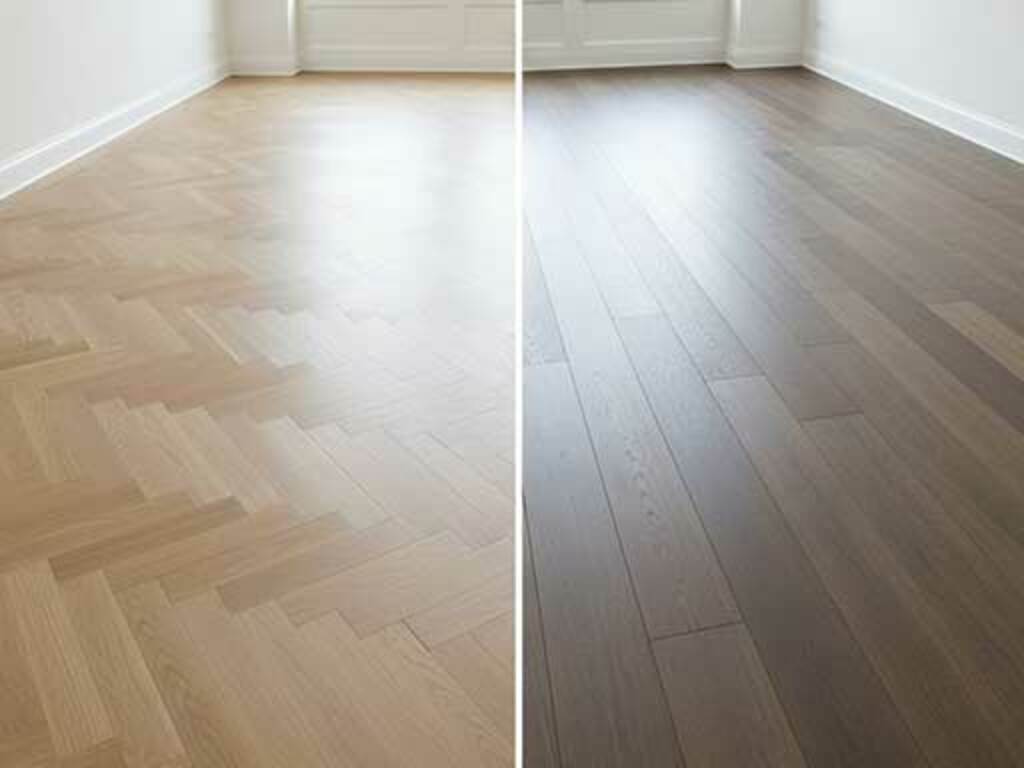 Choosing between parquet and plank flooring represents one of the most significant decisions when installing new floors throughout your property. Both options offer distinct advantages and drawbacks that directly impact your home's appearance, functionality, and long-term investment value. Understanding these differences ensures you select flooring that aligns with your lifestyle, budget, and interior design preferences.
Understanding Parquet Flooring
Parquet flooring features small wooden blocks or strips arranged in geometric patterns, creating visually striking designs that add character and sophistication to any room. Traditional parquet includes herringbone, chevron, and basket weave patterns, though modern variations offer contemporary interpretations of these classic styles.
Construction and Materials
Authentic parquet consists of solid hardwood pieces that are precisely cut and assembled into intricate patterns. Each block typically measures between 15-30cm in length, allowing for flexible design arrangements. Contemporary engineered parquet combines a hardwood veneer with a plywood base, offering improved stability in the UK's varying humidity conditions. This construction makes it particularly suitable for properties with underfloor heating systems.
Aesthetic Appeal
Parquet's primary strength lies in its visual impact. The geometric patterns create depth and movement across floors, making spaces appear larger and more dynamic. Whether selecting traditional oak, walnut, or contemporary light finishes, parquet flooring elevates interiors from ordinary to exceptional. Many period properties and listed buildings benefit from parquet's classic elegance.
Exploring Plank Flooring Options
Plank flooring, also called strip or board flooring, features longer, narrower pieces of wood laid in parallel or staggered patterns. This simpler installation method and straightforward appearance make plank flooring a practical choice for contemporary homes and traditional properties alike.
Types of Plank Flooring
Solid wood planks offer authentic hardwood throughout their thickness, requiring professional installation and regular maintenance. Engineered plank flooring uses a hardwood veneer bonded to a plywood base, providing superior dimensional stability and moisture resistance—essential considerations for kitchens and bathrooms. Luxury vinyl planks (LVPs) mimic the appearance of wood while offering waterproof, durable performance at a lower cost.
Installation Flexibility
Plank flooring adapts to various installation patterns, including straight lay, random width, and diagonal arrangements. Longer planks (typically 1.2-2.4 metres) create continuous visual lines that complement open-plan spaces. This format makes plank flooring ideal for modern interiors and practical for older homes where moisture stability matters.
Cost Comparison
Initial Investment
Entry-level plank flooring costs significantly less than parquet, with solid wood planks starting around £25-40 per square metre (materials only). Budget engineered plank options begin at £15-30 per square metre. Parquet flooring commands premium pricing, typically ranging from £40-100+ per square metre for quality solid parquet. Bespoke pattern work increases costs substantially. Labour expenses also differ: parquet installation requires skilled craftspeople experienced in pattern matching, whilst plank installation proceeds faster and more economically at £15-35 per square metre installed.
Long-term Value
Though parquet demands a higher initial investment, it frequently appreciates, enhancing property's worth more significantly than standard plank flooring. Estate agents recognise parquet as a premium feature, particularly in period properties. Plank flooring offers excellent value for budget-conscious homeowners seeking durable, attractive surfaces without substantial long-term appreciation.
Durability and Maintenance
Wear Resistance
Both flooring types perform admirably in residential settings when properly maintained. Parquet's geometric joints create more seams where dirt accumulates, necessitating careful cleaning routines. Plank flooring's continuous surfaces resist dirt trapping better, making maintenance simpler for busy households.
Moisture and Climate Considerations
Homes experience significant moisture fluctuations, particularly in basements, kitchens, and bathrooms. Engineered parquet and plank options handle humidity variations better than solid wood alternatives. Moisture causes solid parquet blocks to expand and contract unevenly, potentially creating gaps between pieces. Engineered versions minimise this issue substantially. Plank flooring generally demonstrates superior moisture resilience, especially engineered products and luxury vinyl options.
Refinishing Possibilities
Solid parquet can be sanded and refinished multiple times throughout its lifetime, extending its usability by decades. Professional refinishing restores parquet's lustre and addresses minor surface damage effectively. Solid plank flooring similarly accepts refinishing, though extensive repairs become costly. Engineered products cannot be refinished due to thin veneer layers, making this consideration favour solid options in both categories.
Key Considerations for Your Home
Space and Room Function
- Open-plan living areas: Plank flooring creates unbroken visual continuity across larger spaces, enhancing the sense of flow and spaciousness
- Period properties: Parquet complements period architecture authentically, particularly in Victorian and Edwardian homes, where geometric patterns were traditionally standard
- Kitchens and bathrooms: Engineered plank or luxury vinyl planks offer superior moisture protection compared to solid parquet
- Underfloor heating: Engineered parquet and plank options work reliably with heating systems; solid wood alternatives risk damage from temperature fluctuations
Design and Personal Style
- Parquet suits homeowners seeking distinctive, statement-making floors with traditional or transitional interior design aesthetics
- Plank flooring accommodates minimalist, contemporary, and rustic design schemes equally well, offering versatile style compatibility
- Parquet's investment in intricate patterns means design fatigue becomes less likely; plank simplicity transcends trends effectively
- Personal preference ultimately determines satisfaction; examine samples in natural light before committing
Installation and Professional Requirements
Parquet installation demands experienced specialists familiar with pattern alignment, wood selection for colour matching, and complex joinery work. Mistakes prove costly and difficult to remedy. Plank flooring installation remains more accessible, though professional fitting ensures proper expansion gaps and secure fixing. DIY plank installation appeals to competent homeowners; parquet installation always requires professionals.
Making Your Final Decision
Select parquet flooring when seeking timeless elegance, increased property value, and the ability to refinish floors indefinitely. Prioritise parquet in period homes, formal living spaces, and properties where distinctive character matters. Choose plank flooring for practical households, moisture-prone areas, open-plan layouts, and contemporary aesthetics. Budget-conscious homeowners and those valuing simplicity benefit substantially from plank options.
Consider your home's age, room function, budget constraints, and personal design vision when deciding. Both flooring types deliver excellent results when appropriately selected and professionally installed. Your home deserves flooring that balances practicality with beauty, creating spaces you'll enjoy for decades to come.