Real Wood vs. Laminate: The Ultimate Durability Test for Busy Family Homes
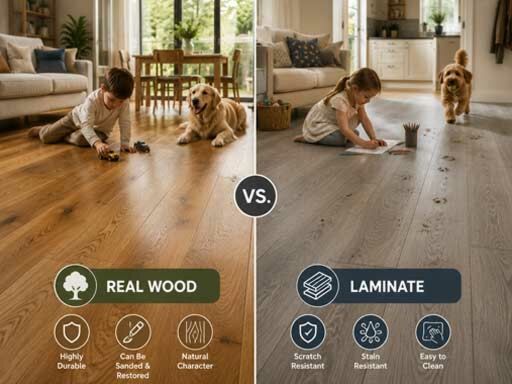
Choosing the right flooring for your home is a significant decision, especially when you have a busy family lifestyle. In 2025, homeowners in the UK are increasingly looking for flooring solutions that combine style, durability, and practicality. Two of the most popular choices remain real wood and laminate flooring. But which one truly stands the test of time and daily wear and tear?
In this comprehensive guide, we'll put real wood and laminate flooring head-to-head, examining their durability, maintenance requirements, aesthetics, cost-effectiveness, and environmental impact. Whether you're a DIY enthusiast, a young professional redecorating your first home, an architect, designer, or a professional tradesman, this guide will help you make an informed decision tailored to your needs.
Understanding Real Wood Flooring
Real wood flooring, also known as hardwood flooring, is crafted from solid timber planks or engineered wood layers. It has long been admired for its natural beauty, warmth, and timeless appeal. Each plank is unique, showcasing natural grain patterns, knots, and colour variations that add character and charm to any room.
One of the most significant advantages of real wood flooring is its longevity. With proper care and maintenance, hardwood floors can last for decades, even generations. They can be sanded down and refinished multiple times, allowing homeowners to refresh their appearance and remove surface damage or scratches.
However, real wood flooring does have some vulnerabilities. It is susceptible to moisture damage, scratches, and dents, especially in high-traffic areas or homes with pets and young children. Regular maintenance, including polishing, sealing, and refinishing, is essential to preserve its beauty and durability.
In terms of installation, real wood flooring typically requires professional fitting, especially if you opt for solid hardwood. Engineered wood flooring, however, offers more flexibility and can sometimes be installed by confident DIY enthusiasts. Nevertheless, professional installation ensures optimal results and longevity.
Cost-wise, real wood flooring is generally more expensive upfront compared to laminate. However, its long lifespan and ability to be refinished multiple times can make it a cost-effective investment in the long run.
Exploring Laminate Flooring
Laminate flooring has come a long way since its introduction, becoming a popular choice among UK homeowners due to its affordability, durability, and ease of installation. Laminate flooring consists of multiple layers, including a high-density fibreboard (HDF) core, a photographic layer that mimics wood or stone, and a protective wear layer on top.
One of the primary advantages of laminate flooring is its exceptional durability. The protective wear layer makes laminate highly resistant to scratches, dents, and stains, making it ideal for busy family homes, especially those with pets and children. Laminate flooring is also less susceptible to moisture damage compared to real wood, although it is not entirely waterproof.
Another significant benefit of laminate flooring is its ease of maintenance. Unlike real wood, laminate does not require regular polishing or refinishing. Simple sweeping, vacuuming, and occasional damp mopping are sufficient to keep laminate floors looking pristine.
Installation is another area where laminate flooring shines. Most laminate flooring products feature click-lock systems, allowing DIY enthusiasts and professional tradesmen alike to install flooring quickly and easily without the need for adhesives or nails. This ease of installation can significantly reduce labour costs and installation time.
However, laminate flooring does have some drawbacks. Unlike real wood, laminate cannot be refinished. Once the protective wear layer is worn through or damaged, the flooring must be replaced. Additionally, while laminate flooring has improved significantly in appearance, it still lacks the authentic feel and warmth of real wood flooring.
Durability Test: Real Wood vs. Laminate
When comparing durability, it's essential to consider several factors, including resistance to scratches, dents, moisture, and overall lifespan. Let's break down each of these factors in detail.
Scratch and Dent Resistance
Laminate flooring typically outperforms real wood in terms of scratch and dent resistance. The protective wear layer on laminate flooring is specifically designed to withstand daily wear and tear, making it an excellent choice for homes with pets, children, or heavy foot traffic.
Real wood flooring, while durable, is more susceptible to scratches and dents, especially softer woods like pine or cherry. However, hardwoods such as oak, maple, or walnut offer greater resistance to scratches and dents. Regular maintenance, including refinishing, can help mitigate surface damage over time.
Moisture Resistance
Laminate flooring generally offers better moisture resistance compared to real wood. The HDF core and protective wear layer help prevent moisture penetration, making the laminate suitable for kitchens, hallways, and other areas prone to spills and moisture.
Real wood flooring, particularly solid hardwood, is vulnerable to moisture damage, including warping, swelling, and cupping. Engineered wood flooring offers improved moisture resistance due to its layered construction, but still requires careful management of moisture levels and humidity.
Lifespan and Maintenance
Real wood flooring has a significantly longer lifespan compared to laminate flooring. With proper care and maintenance, hardwood floors can last 50 years or more, while laminate flooring typically lasts between 15 to 25 years.
However, real wood flooring requires regular maintenance, including polishing, sealing, and refinishing, to maintain its appearance and durability. Laminate flooring, on the other hand, requires minimal maintenance but cannot be refinished once damaged.
Cost Comparison: Real Wood vs. Laminate
Cost is a crucial factor for many homeowners when choosing flooring. Here's a quick comparison of the average costs associated with real wood and laminate flooring in the UK in 2025:
| Flooring Type | Average Cost per m² (Including Installation) | Average Lifespan |
|---|
| Real Wood (Solid Hardwood) | £50 - £100+ | 50+ years |
| Engineered Wood | £35 - £75 | 30 - 50 years |
| Laminate Flooring | £15 - £35 | 15 - 25 years |
While laminate flooring offers significant upfront savings, real wood flooring can provide better long-term value due to its extended lifespan and refinishing capabilities.
Environmental Impact
Environmental considerations are increasingly important for UK homeowners. Real wood flooring, particularly sustainably sourced hardwood, is a renewable resource with a lower environmental impact compared to laminate flooring. Hardwood floors can also be recycled or repurposed at the end of their lifespan.
Laminate flooring, while affordable and durable, is typically made from synthetic materials and adhesives, making it less environmentally friendly. Additionally, laminate flooring is challenging to recycle and often ends up in landfills at the end of its lifespan.
Conclusion: Which Flooring is Best for Your Busy Family Home?
Ultimately, the choice between real wood and laminate flooring depends on your specific needs, lifestyle, and budget. If you prioritise authenticity, longevity, and environmental sustainability, real wood flooring is an excellent investment. However, if affordability, durability, and ease of maintenance are your top priorities, laminate flooring may be a better choice.
Whichever option you choose, ensure you select high-quality products and professional installation to maximise durability and performance. With careful consideration and informed decision-making, you can enjoy beautiful, durable flooring that enhances your home's comfort and style for years to come.