Vinyl Flooring: Next-Level Waterproof Solutions for Kitchens and Bathrooms
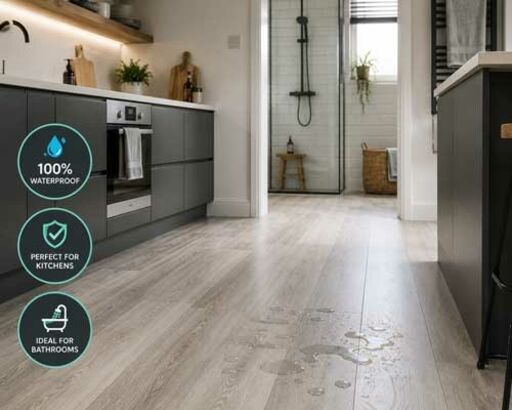
Vinyl flooring has come a long way from its humble beginnings. Once considered a budget-friendly but less attractive option, vinyl flooring has evolved dramatically, becoming a top choice for homeowners, DIY enthusiasts, architects, designers, and professional tradesmen across the United Kingdom. In 2025, vinyl flooring innovations have reached new heights, particularly in waterproof solutions for kitchens and bathrooms. This blog post explores the latest advancements, benefits, and practical tips to help you choose the perfect vinyl flooring for your home renovation projects.
Why Vinyl Flooring is the Ideal Choice for Kitchens and Bathrooms
When it comes to kitchens and bathrooms, flooring must withstand moisture, spills, humidity, and frequent cleaning. Vinyl flooring has emerged as the ideal solution due to its inherent waterproof properties, durability, and ease of maintenance. Unlike traditional flooring materials such as hardwood or laminate, vinyl flooring does not warp, swell, or deteriorate when exposed to water, making it perfect for moisture-prone areas.
In addition to its waterproof capabilities, vinyl flooring offers exceptional durability. Modern vinyl flooring is designed to resist scratches, dents, and stains, making it suitable for high-traffic areas. Whether you're a busy young professional, a DIY enthusiast, or a tradesman looking for reliable flooring solutions, vinyl flooring provides the resilience and longevity you need.
Another significant advantage of vinyl flooring is its ease of installation. With advancements in click-lock technology and adhesive-free installation methods, vinyl flooring can be installed quickly and efficiently, even by DIY enthusiasts with minimal experience. This ease of installation reduces labour costs and project timelines, making vinyl flooring an attractive option for both homeowners and professionals.
Furthermore, vinyl flooring offers a wide range of design options, allowing you to achieve the aesthetic you desire without compromising functionality. From realistic wood and stone effects to contemporary patterns and textures, vinyl flooring provides endless possibilities to match your interior design vision.
Innovative Waterproof Technologies in Vinyl Flooring for 2025
In 2025, vinyl flooring manufacturers have introduced groundbreaking waterproof technologies that significantly enhance performance and durability. One of the most notable innovations is the introduction of advanced waterproof cores, such as Stone Plastic Composite (SPC) and Wood Plastic Composite (WPC). These cores provide superior dimensional stability, ensuring the flooring remains unaffected by moisture and temperature fluctuations.
SPC vinyl flooring, in particular, has gained popularity due to its rigid core construction, which combines limestone powder, polyvinyl chloride, and stabilisers. This composition results in a dense, waterproof, and highly durable flooring solution that can withstand heavy foot traffic and moisture exposure without compromising structural integrity.
WPC vinyl flooring, on the other hand, features a softer, more comfortable underfoot feel due to its wood-plastic composite core. This type of flooring is ideal for homeowners seeking comfort and warmth in addition to waterproof performance. WPC flooring also provides excellent sound insulation, reducing noise transmission between floors and rooms.
Another significant advancement in waterproof vinyl flooring is the development of enhanced surface coatings. Manufacturers now apply advanced polyurethane coatings and ceramic bead finishes to vinyl flooring surfaces, providing additional protection against scratches, stains, and moisture penetration. These coatings ensure the flooring remains pristine and easy to clean, even in busy kitchens and bathrooms.
Additionally, innovative locking systems have been introduced to further enhance waterproof performance. These locking systems feature tight, precision-engineered joints that prevent water from seeping between planks or tiles, ensuring complete waterproof protection. This innovation is particularly beneficial in bathrooms, where water exposure is frequent and unavoidable.
Top Vinyl Flooring Trends for Kitchens and Bathrooms in 2025
As vinyl flooring continues to evolve, several exciting trends have emerged in 2025, shaping the way homeowners and professionals approach kitchen and bathroom design. One of the most prominent trends is the rise of hyper-realistic wood and stone effects. Advanced printing technologies now allow manufacturers to replicate the intricate details, textures, and colours of natural materials with remarkable accuracy, providing homeowners with authentic-looking flooring options without the maintenance challenges associated with real wood or stone.
Another popular trend is the use of large-format vinyl tiles and planks. Larger formats create a seamless, spacious appearance, making kitchens and bathrooms feel more open and inviting. Additionally, large-format vinyl flooring reduces the number of seams, further enhancing waterproof performance and ease of maintenance.
Bold patterns and geometric designs have also gained popularity in vinyl flooring for kitchens and bathrooms. Homeowners and designers are increasingly embracing creative flooring patterns, such as herringbone, chevron, and intricate geometric motifs, to add visual interest and personality to their spaces. Vinyl flooring manufacturers have responded by offering a wide range of patterned options, allowing homeowners to express their unique style preferences.
Sustainability remains a key consideration for homeowners and professionals alike. In response, vinyl flooring manufacturers have introduced eco-friendly options made from recycled materials and featuring low-VOC (volatile organic compound) emissions. These sustainable vinyl flooring products provide environmentally conscious consumers with stylish, durable, and waterproof flooring solutions that align with their values.
Comparing Vinyl Flooring Types: SPC vs WPC
To help you make an informed decision, let's compare the two most popular types of waterproof vinyl flooring: SPC and WPC.
| Feature | SPC Vinyl Flooring | WPC Vinyl Flooring |
|---|
| Core Composition | Stone Plastic Composite (limestone powder, PVC) | Wood Plastic Composite (wood fibres, PVC) |
| Waterproof Performance | Excellent | Excellent |
| Durability | Highly durable, rigid, resistant to dents and scratches | Durable, softer underfoot, slightly less resistant to heavy impacts |
| Comfort & Warmth | Firm underfoot, may require underlay for comfort | Softer, warmer underfoot, comfortable without additional underlay |
| Sound Insulation | Moderate, improved with underlay | Excellent, naturally sound-absorbing |
| Installation | Easy click-lock installation, suitable for DIY | Easy click-lock installation, suitable for DIY |
| Ideal Applications | High-traffic kitchens, commercial spaces, bathrooms | Residential kitchens, bathrooms, bedrooms, living areas |
Conclusion: Embrace the Future of Waterproof Vinyl Flooring
In 2025, vinyl flooring innovations have transformed kitchens and bathrooms, offering next-level waterproof solutions that combine style, durability, and ease of maintenance. Whether you're a DIY enthusiast, a young professional redecorating your home, an architect, designer, or tradesman, vinyl flooring provides the ideal solution for moisture-prone areas.
By understanding the latest advancements, trends, and differences between SPC and WPC vinyl flooring, you can confidently select the perfect flooring solution for your project. Embrace the future of waterproof vinyl flooring and elevate your kitchen and bathroom spaces with innovative, stylish, and practical flooring solutions.