Parquet Flooring: Trends, History, and Styling Tips
In recent years, parquet flooring has made a strong comeback, reaching the peak of its popularity once again. Many homeowners and interior designers are embracing this artistic flooring style, breathing new life into the classic wood floor. Parquetry, with its intricate patterns and geometric designs, is captivating the hearts of many, making it a standout feature that adds timeless elegance to any space. There's no sign of the geometric wood arrangement losing its appeal, as it continues to dominate the world of interior design.
The appeal of parquet flooring goes beyond aesthetics. It blends functionality and durability, offering the best of both worlds. The patterned floors not only enhance the visual appeal of a room but also provide long-lasting performance. Parquetry is often considered the statement piece of any room, complementing a wide range of interior styles, while also being easy to maintain and hygienic.
As parquet continues to grow in popularity, it's worth taking a closer look at its history, benefits, and potential drawbacks. Whether you're drawn to its sustainable design, prefer the classic elegance of traditional parquet, or are simply looking for a flooring option that combines beauty and practicality, parquetry is a choice that deserves serious consideration. In this guide, we'll delve into the history of parquet flooring, explore its pros and cons, and help you determine if it's the right fit for your home renovation project.
A Brief History Of Parquet Flooring – Noticeable Events

Parquet flooring emerged in the 17th century as a luxurious alternative to other flooring types. Its origins trace back to France, specifically to the Palace of Versailles, where it was first introduced to replace the high-maintenance marble floors in the grand ballrooms. The royal architects sought a flooring option that could match the opulence of marble while being easier to care for. Parquet, with its intricate wooden patterns and geometric designs, became the perfect choice, offering a combination of elegance and practicality.
Despite the complex installation process and the skill required to lay parquet floors, this flooring option quickly became popular across Europe and gained worldwide recognition. It remained a symbol of luxury for centuries, maintaining its peak popularity until the 1930s when the introduction of carpeting as a more affordable alternative caused a decline in the parquet's prominence.
The Revival and Evolution of Parquet Flooring
The decline in parquet's popularity spurred designers to innovate and improve parquet flooring while preserving its classic charm. Interest in parquet saw a resurgence during the 1990s, though it did not initially return to its former glory. As a result, the flooring industry continued to evolve, developing new materials, installation techniques, and design options that combined the traditional appeal of parquet with the advantages of modern technology.
Today, parquet flooring is experiencing a renaissance, thanks to advances in the industry that make it more accessible to a broader audience. The craftsmanship and skills required for parquet installation remain important, but contemporary methods have made the process easier and more cost-effective. Modern parquet floors benefit from:
- Improved installation techniques, such as click-lock systems and engineered wood options.
- High-quality materials that ensure durability and ease of maintenance.
- Skilled professionals who can achieve precise, intricate designs with greater efficiency.
- More affordable prices compared to the past, making parquet accessible to homeowners on a budget.
Parquet flooring is not just a relic of the past; it continues to evolve and adapt, inspired by its rich history while meeting the demands of contemporary home renovation projects. Whether you seek a timeless aesthetic or a statement piece that adds value to your property, parquet remains a top choice for its blend of beauty, durability, and sophistication.
Old Parquet Goes Modern Engineered
It's no wonder that engineered timber is gaining popularity among homeowners and designers. Unlike traditional solid wood flooring, which is cut from a single piece of timber, engineered wood is a man-made product specifically designed to withstand the challenges posed by moisture, temperature, and humidity fluctuations. Its layered structure provides greater stability and minimizes the common issues associated with solid wood floors.
What Is Engineered Wood?
Often misunderstood, engineered wood is not the same as laminate. While laminate flooring is made from synthetic materials with a photographic layer that mimics the look of wood, engineered wood consists of real timber throughout. Each plank is composed of multiple layers of softwood, plywood, or hardwood that are bonded together in a crisscross pattern, with a top layer of genuine hardwood called lamella. This construction makes engineered floorboards more flexible and resilient, allowing them to expand and contract without warping or cracking, even in high-moisture environments.
The Benefits of Engineered Parquet Flooring
Engineered wood is not just durable and hard-wearing - it also offers significant advantages for parquet flooring installations:
- Classic aesthetics with modern durability: Get the timeless elegance of parquet patterns combined with the long-lasting performance of engineered wood.
- Ease of installation: Engineered parquet is often easier to install, especially with modern click-lock systems.
- Low maintenance: Engineered wood is easier to clean and less prone to damage than traditional parquet.
- Re-sandable and refinishable: The hardwood top layer can be re-sanded and refinished, extending the floor's life.
- Improved stability: Thanks to its multi-layered construction, engineered wood resists the effects of humidity and temperature changes, minimising common issues like warping and gaps.
Bold New Trends in Parquet Flooring
Say goodbye to Scandinavian-inspired minimalism—the current trend in wood flooring is all about bold, captivating designs. Parquet patterns are making a strong comeback, offering a striking alternative to plain, linear floorboards. With an array of eye-catching patterns and geometric designs, parquet flooring adds a dynamic twist that transforms the atmosphere of any room, creating a personalised and distinctive style.
Most Popular Parquet Flooring Patterns
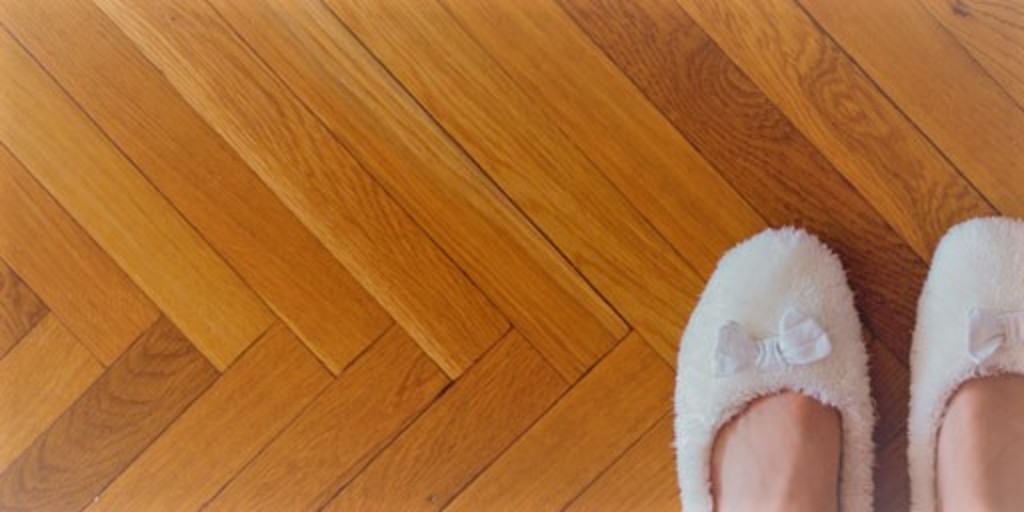
Parquet flooring comes in a variety of patterns, each offering its unique charm and style. Here are some of the most popular options:
- Herringbone Pattern – A timeless and classic choice that adds elegance and movement to any room. Its distinctive zigzag design is perfect for both modern and traditional interiors.
- Chevron Pattern – Similar to herringbone but with a more angular appearance. This pattern features planks cut at an angle to create a continuous “V” shape, offering a sleek and contemporary look.
- Random Pattern – For a more casual and eclectic vibe, the random pattern provides a mix of plank lengths and widths, creating an organic and laid-back aesthetic.
- Brick Wall Pattern – Inspired by traditional brickwork, this design creates a visually appealing and textured effect that works well in both rustic and industrial-style spaces.
- Basket Weave Pattern – This pattern adds depth and texture, evoking a sense of history and craftsmanship. It’s perfect for areas where you want to make a subtle yet sophisticated statement.
Choosing the Right Parquet for Your Space
With such an impressive variety of patterns, colours, and textures, there is a parquet option to meet everyone’s expectations and preferences. The wide range ensures that even the pickiest customer can find something to admire and desire. However, parquetry might not appeal to everyone, and that’s perfectly fine.
If you find yourself hesitant about parquet flooring, it could be due to incorrect planning or design choices experienced in the past. When not thoughtfully designed for a specific room, patterned floors can be overwhelming or fail to enhance the room's characteristics. To avoid these issues, it’s essential to take the time to plan your project properly:
- Consider the room's size and shape – Larger patterns may suit spacious rooms, while smaller or intricate designs work better in compact spaces.
- Think about the existing interior style – Choose a pattern that complements your current furniture and decor.
- Evaluate lighting conditions – Some patterns may appear more prominent or subdued depending on the amount of natural light.
- Opt for the right colour – Light parquet flooring can make a room feel more open, while dark tones add warmth and cosiness.
Taking these factors into account will help you achieve a balanced and visually pleasing design that enhances the beauty and functionality of your space.
How to Properly Style Parquet Flooring
Parquet flooring is versatile and can be styled to suit various room sizes and interior designs. Here’s how to make the most of it:
Tips for Achieving the Best Results
- Scale the Pattern to the Room Size: Use larger patterns in bigger rooms and smaller ones in more compact areas.
- Coordinate with Furniture: Match the style and colour of your parquet with the existing furniture for a harmonious look.
- Consider Finishes: Glossy finishes can make a room feel more formal, while matt finishes create a cosy atmosphere.
Styling parquet flooring correctly will ensure it enhances the aesthetic and functional qualities of your space, regardless of its size or style.
Current Parquetry Trends
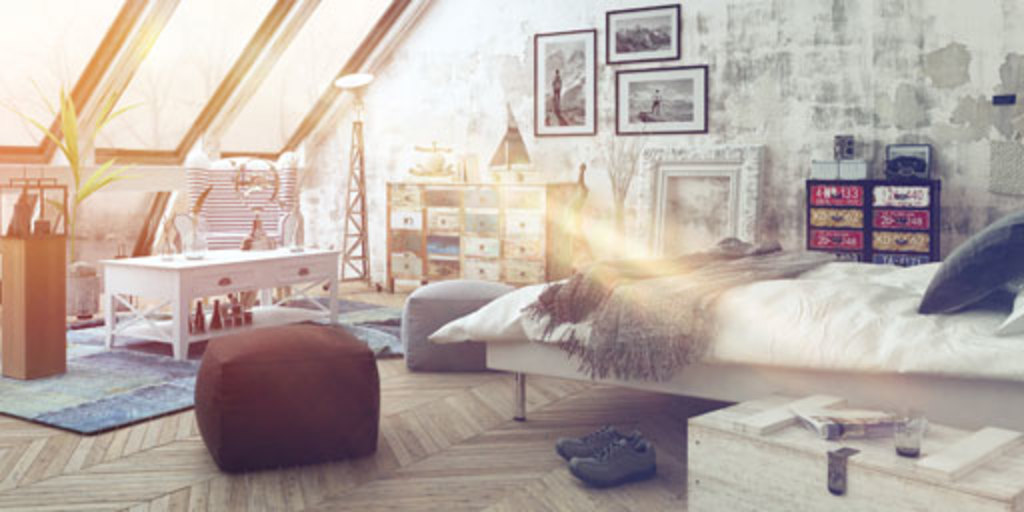
Parquet flooring has evolved over the years, adapting to modern tastes while maintaining its timeless appeal. Here are some of the top trends in parquetry today:
Why These Trends Work
- Versatility: The range of styles—from classic herringbone to artistic combinations—ensures that parquet flooring can fit into almost any design scheme.
- Personalisation: The ability to customise the pattern, colour, and finish allows homeowners to express their unique tastes.
- Timeless Appeal: Even as trends change, the parquet's inherent beauty and elegance keep it relevant.
Choosing one of these parquet trends will help you stay stylish and up-to-date, while also ensuring a floor that's truly your own.