Herringbone Parquet Flooring: Everything You Need to Know
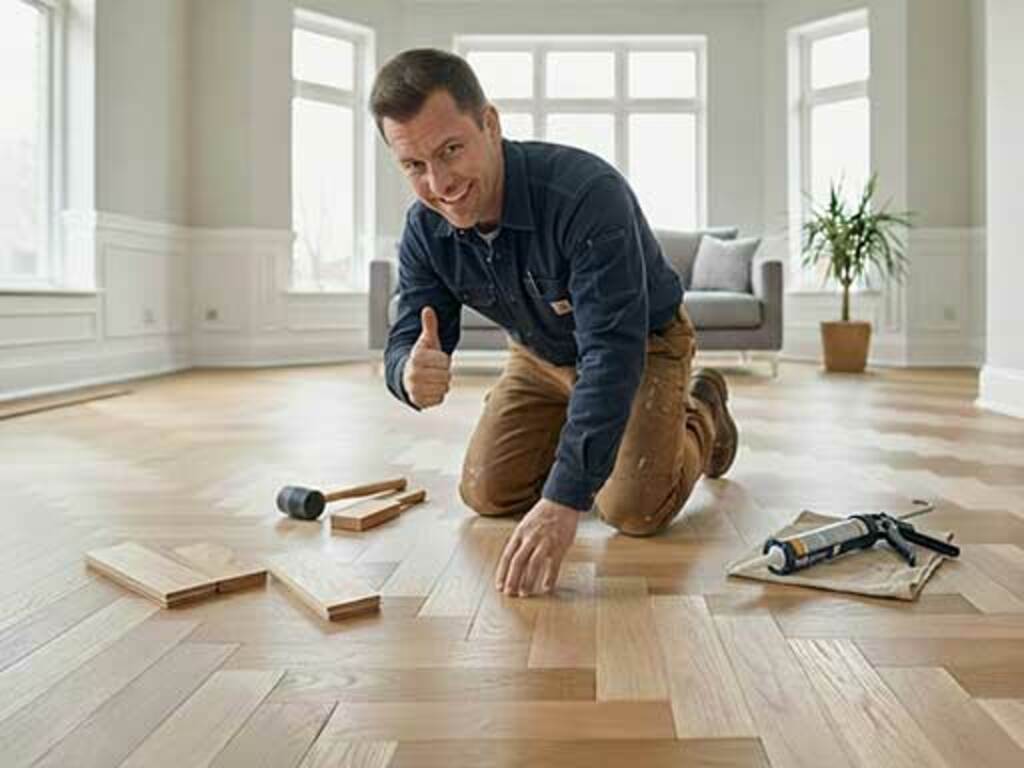 Herringbone parquet flooring homeowners love is a traditional flooring pattern that dates back centuries. The distinctive V-shaped weaving pattern is created by laying rectangular wooden blocks at 45-degree angles to one another, forming a zigzag effect across the floor. This iconic design offers timeless elegance and remains one of the most coveted flooring choices for period properties, modern renovations, and luxury developments throughout the United Kingdom.
The pattern takes its name from the herring fish, whose skeleton resembles the distinctive arrangement of the wooden blocks. True herringbone is meticulously handcrafted and labour-intensive, making it a premium flooring option. Modern alternatives, such as herringbone-effect laminate and engineered wood versions, provide accessible options for budget-conscious homeowners without compromising on aesthetic appeal.
Types of Herringbone Parquet Flooring
Solid Parquet Herringbone
Solid herringbone parquet is constructed from 100% hardwood, typically oak, walnut, or maple. Each block is a single piece of timber, making this the most authentic and durable option. Solid parquet can be sanded and refinished multiple times throughout its lifespan, potentially lasting 50+ years with proper care. However, solid wood is susceptible to temperature and humidity fluctuations, which can cause warping or cupping in poorly regulated environments.
Engineered Herringbone Parquet
Engineered herringbone flooring features a hardwood veneer bonded to a plywood or high-density fibreboard base. This construction stabilises the wood, making it more resistant to moisture and temperature changes than solid alternatives. Engineered parquet is ideal for properties with underfloor heating or in kitchens where moisture exposure is likely. The veneer can typically be sanded once or twice, though less extensively than solid wood.
Laminate and Vinyl Herringbone
Laminate and luxury vinyl herringbone-effect flooring replicate the appearance of traditional parquet at significantly lower costs. These synthetic options are highly durable, waterproof, and require minimal maintenance. They're perfect for families with children or pets, though they cannot be refinished like genuine wood.
Cost Considerations for Installation
Material Expenses
Solid herringbone parquet flooring typically costs between £40–£120 per square metre in the UK, depending on wood species and quality. Engineered versions range from £25–£80 per square metre, whilst laminate alternatives start from £15–£50 per square metre. Premium brands and rare wood species command higher prices.
Installation Costs
Professional installation adds significant expense. Labour typically costs £30–£60 per square metre, with complex herringbone patterns at the higher end of this range. Underfloor preparation, including screeding or levelling, may incur additional charges of £10–£30 per square metre. Total project costs for a 20 square metre room can easily exceed £2,000–£3,500 when materials and labour are combined.
Installation Process and Requirements
Subfloor Preparation
Proper subfloor preparation is critical for herringbone parquet success. Existing concrete must be tested for moisture content—anything above 75% relative humidity requires damp-proof membranes. Wooden subfloors should be checked for structural integrity and level (within 3mm over 3 metres). Any unevenness must be rectified with self-levelling compounds before parquet installation commences.
Acclimation and Layout
Wooden parquet blocks must acclimatise to your property's temperature and humidity for 7–10 days before installation. During this period, room conditions should match your home's typical climate. Professional installers will establish a centre point and plan the herringbone pattern to ensure balanced blocks at room edges, creating visual harmony.
Installation Methods
Herringbone can be installed using adhesive or traditional nail-down techniques. Modern adhesive methods offer flexibility and are preferred for most properties. Installation requires precision and skill—experienced installers should complete approximately 2–4 square metres daily.
Maintenance and Long-Term Care
Regular Cleaning Routines
Vacuum herringbone parquet weekly using soft-bristle attachments to prevent scratching. Damp-mop fortnightly with pH-neutral wood cleaners specifically designed for parquet. Avoid excess water, as moisture penetration causes swelling and damage. Place felt pads under furniture legs to prevent marking, and use rugs in high-traffic areas.
Protective Measures
Maintain humidity levels between 40–60% to prevent warping. Use humidifiers during the winter months when central heating dries indoor air. Sunlight causes fading—use curtains or blinds to filter UV rays. Polish herringbone parquet annually using specialist wood floor polish to maintain lustre and protective barriers.
Advantages of Herringbone Parquet Flooring
- Aesthetic appeal: The distinctive V-pattern creates visual interest and sophistication, enhancing property value and interior design appeal
- Longevity: Solid herringbone can last 50+ years, making it a worthwhile investment for permanent residences
- Refinishing capability: Solid parquet can be sanded and restained, allowing complete transformation without replacement
- Versatility: Herringbone complements traditional period properties, contemporary minimalist spaces, and eclectic modern homes equally well
- Warmth and comfort: Wooden parquet provides underfoot warmth and naturally comfortable conditions compared to stone or tile alternatives
- Environmental credentials: Sustainably sourced timber parquet offers eco-conscious flooring solutions for environmentally aware homeowners
Disadvantages and Challenges
- Cost implications: Premium material and labour expenses make herringbone parquet a significant financial commitment, potentially £2,000–£5,000+ for average rooms
- Moisture sensitivity: Solid parquet is vulnerable to humidity fluctuations, requiring careful environmental management and potentially unsuitable for wet areas
- Installation complexity: Herringbone patterns demand experienced installers; poor installation creates visible gaps, misalignment, and premature failure
- Maintenance requirements: Regular cleaning, humidity control, and protective measures demand ongoing attention and care
- Traffic vulnerability: High-traffic areas show wear patterns more visibly in herringbone designs due to the repeated pattern structure
Comparing Herringbone with Alternative Flooring Options
When considering herringbone parquet, comparison with other premium flooring reveals distinct advantages and drawbacks. Solid wood strip flooring (non-patterned) offers similar durability at lower installation costs since complex pattern-setting isn't required. Stone or porcelain tile provides superior moisture resistance and durability in kitchens and bathrooms, but lacks the warmth and acoustic properties of wood. Engineered herringbone balances authentic aesthetics with practical advantages over solid parquet in challenging environments.
Making Your Decision
Herringbone parquet flooring remains a prestigious choice for homeowners who value timeless elegance and long-term investment. Assess your property's structural condition, climate control capabilities, and budget before committing. In period properties with solid foundations and stable humidity, solid herringbone delivers unmatched character. For modern properties with underfloor heating or moisture concerns, engineered herringbone provides optimal performance. Consider professional surveys and multiple installer quotations before proceeding—quality installation makes the difference between flooring that enhances your home for decades and disappointing results.