9 Smart Solutions for Better Home Insulation
Winter is the season when everyone craves warmth and comfort at home. As temperatures drop, we spend more time indoors and yearn for a cosy atmosphere. One of the most effective ways to keep your home warm this autumn is by focusing on proper insulation. It’s a small investment that can make a big difference in comfort and energy savings, as insulation helps resist heat transfer from warmer to colder areas. Plus, your wallet will thank you in the long run!
Floor Insulation is Key: If you have real wood flooring or laminate flooring, insulation becomes even more crucial. Insulating your wooden floors not only improves heat retention but also protects them from moisture damage—especially in older homes where floors may lack proper insulation. Older homes are often drafty and cold during winter, but don't worry—there are plenty of solutions to this issue.
Since the floor is one of the most important elements of your home’s interior and functionality, it’s vital to assess its insulation properties. A well-insulated floor adds to the overall comfort and cosiness of your home. But first things first—ensure the floor is properly installed! Professional installation is essential for the structural stability and integrity of your wood floor. If installed correctly, you won’t have to worry about insulation problems down the line.
Tip: Always invest in professional wood floor installation by a reputable company. A high-quality installation leads to fewer drafts and better insulation, ensuring your home remains cosy throughout winter.
Here’s what you need to consider when insulating your home—from your floors to your walls:
- Proper insulation prevents heat from escaping and cold air from entering.
- Investing in small details, such as floor insulation, can have a significant impact on comfort and energy bills.
Fill the Floorboards for Better Insulation
 One of the most effective methods to improve your home’s insulation is by filling the gaps beneath your floorboards with insulating materials like mineral wool or batts. These materials not only help make your home feel warmer and cosier but also significantly reduce your heating bills during the colder months.
Benefits of Insulating Floorboards:
- Enhances heat retention, keeping your home warm
- Reduces energy consumption and heating costs
- Protects against drafts and moisture build-up
You can approach this task in two ways: either as a DIY project or by hiring a professional team of experts. If you choose the DIY route, there are some essential safety tips. According to the National Energy Foundation (NEF), make sure to:
- Wear a facemask, goggles, and protective clothing to avoid inhaling dust and debris.
- Leave sufficient gaps around the eaves to prevent condensation build-up, which can lead to other issues like mould or wood damage.
Taking this extra step with your floorboards can make a huge difference in the overall insulation of your home, helping you stay warm without the need to crank up the heating.
Place Down a Rug for Extra Insulation
Rugs and mats can serve as an extra layer of insulation for your floors, helping to retain heat while adding a cosy and stylish touch to your home. Strategically placing rugs on your base floors is a simple yet effective way to prevent heat loss.
According to the National Energy Foundation (NEF), up to 10% of heat loss in a home can occur through the floors if they are not properly insulated. By laying down rugs, you can:
- Reduce heat loss, keeping your home warmer
- Lower heating bills by improving insulation
- Enhance the overall aesthetic appeal of your space, making it feel more comfortable and inviting
In addition to their functional benefits, rugs offer a decorative bonus, helping your home feel even more welcoming during the colder months.
Seal the Skirting Boards
Sealing the gaps between your skirting boards and floorboards is another essential step in keeping your home warm and preventing drafts from entering. Over time, floorboards and skirting boards can expand and contract due to:
- Everyday wear and tear
- Humidity fluctuations
- Temperature changes
These natural movements create gaps that allow cold air to seep in, making your home feel colder. To combat this, you should fill in these gaps with a flexible gap filler.
When choosing a gap filler, ensure it is:
- Flexible enough to tolerate movement and avoid cracking
- Durable, especially around high-traffic areas
- Made from natural resin and sawdust, which are ideal for long-term effectiveness
Fit Underlay Before Laying a Carpet
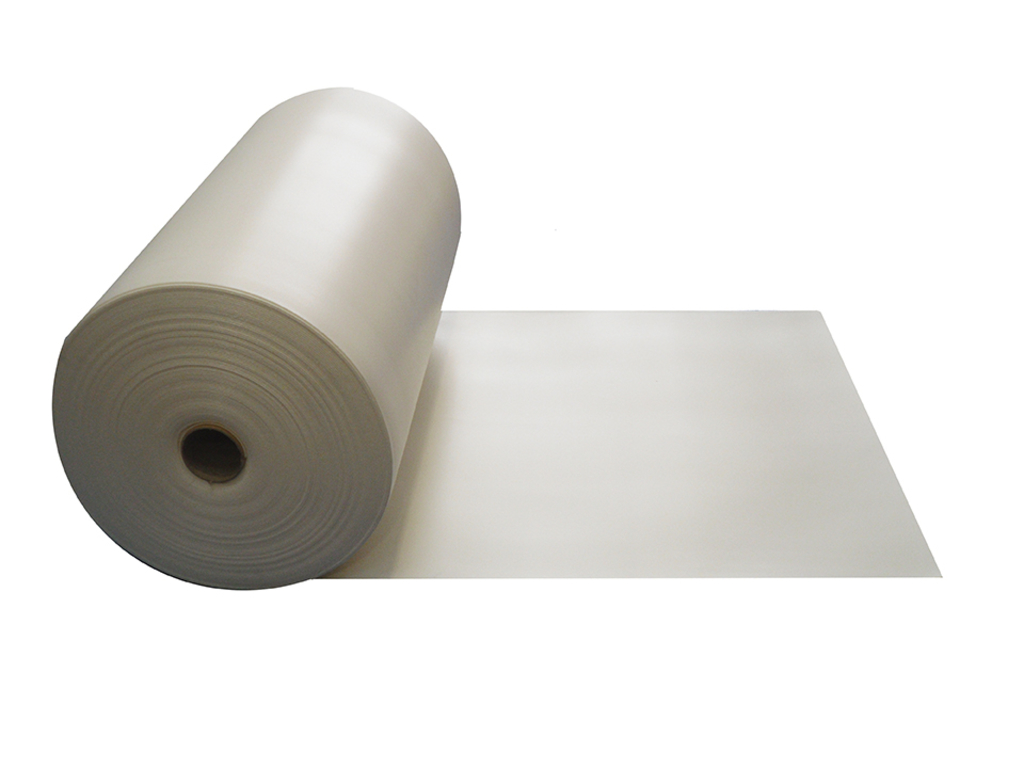
Before laying down a carpet or rug, it’s essential to add a layer of underlay for enhanced insulation and better energy efficiency. An underlay not only adds warmth but also improves the comfort of your floors and extends the lifespan of your carpet.
Here are some options to consider when selecting an underlay:
- Foam underlay – Lightweight and budget-friendly, perfect for most homes.
- Felt underlay – Offers excellent durability and soundproofing, ideal for rooms where noise reduction is a priority.
- Polyfoam board – A good alternative for added insulation and stability.
- Fireboard – Suitable for added fire resistance in specific areas of your home.
Underlay helps in seal-proofing the floor, preventing cold air from coming through the floorboards and keeping your home warm and cosy. By choosing the right material, you'll also reduce heat loss and save on energy bills during the colder months.
Insulate the Doors
Draught proofing your doors is essential for improving the insulation of your home. Doors, particularly in older homes, are notorious for allowing cold air to sneak in through cracks and gaps, especially around the frames. One of the simplest and most effective solutions is using weather strips.
Weather strips are easy to apply and can be installed around the door casements, providing a reliable barrier against drafts. Here are additional tips for insulating doors:
- Install weather strips around door frames to seal gaps.
- Use putty or sealant to fill any noticeable cracks.
- For larger gaps at the bottom of doors, install door sweeps to block cold air from entering.
- Ensure that keyholes and letterboxes are also sealed, as they are common sources of drafts.
By addressing these areas, you’ll notice a significant improvement in warmth within your home, reducing the amount of heat lost through doors and lowering your energy bills. Properly insulated doors can make a big difference during the colder months!
Use Heavyweight Curtains
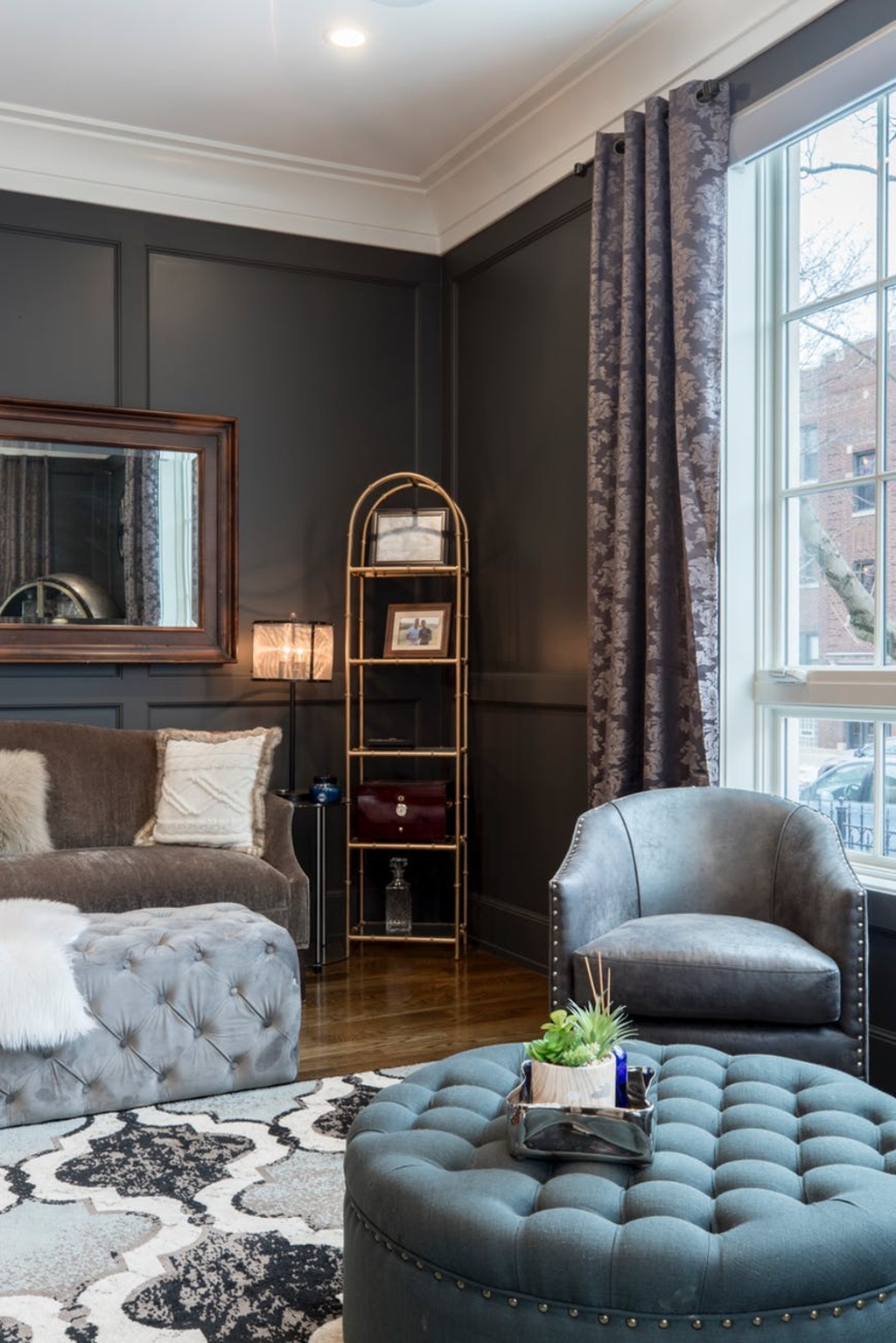
Thick curtains can play a vital role in keeping your home warm by preventing heat from escaping through windows and small cracks in the frames. Using heavyweight curtains, particularly those with thermal linings, creates an extra layer of insulation.
Tips for Maximising Curtain Efficiency:
- Opt for curtains with thermal linings for better insulation.
- Ensure curtains fully cover windows and even extend slightly below the window frame.
- Close curtains at dusk to trap heat inside the room.
- Use velvet or wool fabrics for better heat retention.
By investing in these simple yet effective options, you can improve insulation, keep your home warmer, and reduce energy costs during colder months.
Draught-Proof Your Windows
Double glazing is one of the most effective ways to insulate your windows, but it comes with a high price tag. If you're looking for a more budget-friendly alternative, you can consider using window insulation films or self-adhesive foam strips to seal gaps and cracks around the window frame.
Budget-Friendly Window Insulation Options:
- Window insulation films: These can be applied across your windows to provide a thermal barrier. However, they will limit your ability to open the windows without breaking the seal.
- Self-adhesive foam strips: Easy to install around the edges of windows, these strips help seal gaps and prevent draughts from entering your home.
Draught-Proof Your Letterbox and Keyholes
Don't overlook the letterbox and keyholes, as they can be significant sources of cold air draughts in your home. Thankfully, there are simple and effective solutions to insulate these areas:
Brush for the Letterbox: Install a letterbox brush that can block cold air while still allowing letters to pass through. This helps create a tighter seal, preventing draughts from sneaking in.
Keyhole Covers: Use keyhole covers to insulate the keyholes on your doors. These covers are designed to fit snugly and can help minimize heat loss, ensuring that cold air doesn’t enter through these small openings.
Enhance Your Fireplace Efficiency
If you’re fortunate enough to have a fireplace in your home, there are several ways to boost its efficiency and maximize the warmth it provides during winter:
Reflective Backing: Line the back of your fireplace with aluminium foil or install a fireback. This will help reflect heat into your living space instead of allowing it to escape up the chimney. The more heat that is reflected, the cosier your room will feel.
Chimney Balloon: If your fireplace is purely decorative and not in use, consider using a chimney balloon. Made from special laminate material, it effectively seals off the chimney, preventing warm air from escaping and cold air from entering.
Important Reminder: If you decide to light a fire, ensure you remove the chimney balloon beforehand to enjoy the full benefits of your fireplace.
By implementing these simple tips, you can enjoy a more efficient and effective fireplace, keeping your home warm and inviting throughout the chilly months.