Solid Wood vs Engineered Wood Flooring: Which Is Right for Your Home?
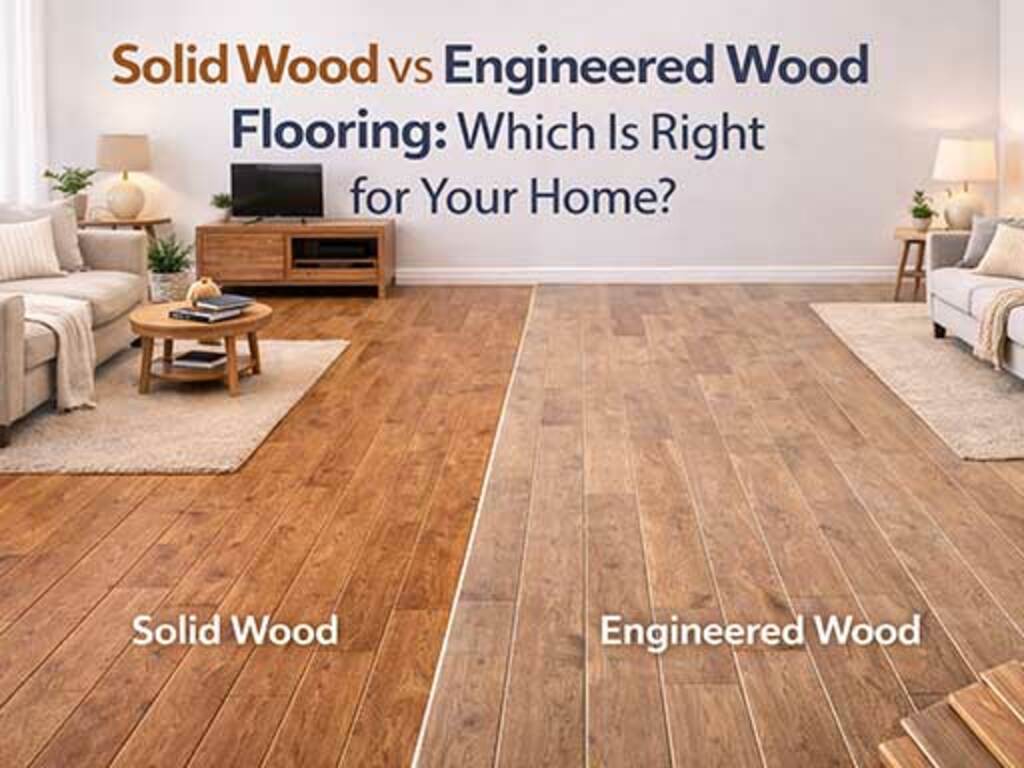 Choosing between solid wood vs engineered wood flooring homeowners face is one of the most significant decisions homeowners face when renovating or building. Both options offer distinct advantages and drawbacks, making the choice highly dependent on your lifestyle, budget, home environment and long-term expectations. Understanding the differences will help you select the perfect flooring solution for your property.
What Is Solid Wood Flooring?
Solid wood flooring consists of planks milled from a single piece of timber, typically between 18mm and 22mm thick. These boards are cut directly from logs and showcase the natural grain, colour variations and character of the timber species used. Common species include oak, walnut, ash and maple, whilst premium options feature tropical hardwoods like teak or ebony.
Solid wood flooring has been used in homes for centuries and remains a timeless choice that adds genuine value and authentic aesthetic appeal to any property. The wood can be sanded and refinished multiple times throughout its lifespan, potentially lasting 100+ years with proper care.
What Is Engineered Wood Flooring?
Engineered wood flooring features a real timber veneer bonded to a plywood or high-density fibreboard (HDF) base layer. The veneer is typically 2-6mm thick, whilst the base provides stability and dimensional strength. This construction method creates a more stable product than solid wood, particularly in challenging environments.
Brands like Boen, Elka, Kahrs and Tradition Classics specialise in engineered solutions that combine aesthetic appeal with practical durability. The layered construction allows engineered floors to resist cupping, warping and movement caused by humidity and temperature fluctuations.
Durability and Longevity Comparison
When considering durability, both flooring types perform excellently, but in different ways:
- Solid wood: Can last 100+ years and be sanded/refinished 5-10 times, making it ideal for permanent installations where you want authentic character and the ability to restore it repeatedly
- Engineered wood: Typically lasts 20-30 years, depending on veneer thickness, with limited refinishing potential (usually 1-2 times), though premium options from manufacturers like Kahrs offer thicker veneer,s extending lifespan significantly
- Solid wood: More susceptible to moisture damage, cupping and warping, especially in basements, kitchens and areas with underfloor heating
- Engineered wood: Superior moisture and temperature resistance due to cross-grain construction, making it suitable for challenging rooms and properties with underfloor heating systems
Installation Requirements
Installation differences significantly impact both cost and timeline. Solid wood flooring typically requires professional installation using secret nail fixing, which demands skilled craftspeople and more time. Acclimation periods of 7-14 days are essential before fitting, as the wood must adjust to your home's moisture levels and temperature.
Engineered wood flooring offers greater flexibility. It can be installed using click-lock systems (floating), glue-down methods, or nail fixing. Many homeowners successfully install engineered floors themselves, particularly click-lock systems, reducing labour costs substantially. Installation timescales are considerably faster—often completed within days rather than weeks.
Premium brands like Elka and Tradition Classics offer engineered options specifically designed for DIY installation, though professional fitting remains recommended for optimal results and warranty compliance.
Cost Considerations
Price varies significantly between options and quality tiers:
- Budget solid wood: £30-50 per square metre (materials only)
- Premium solid wood: £80-150+ per square metre
- Budget engineered wood: £20-40 per square metre
- Premium engineered (Boen, Kahrs): £60-120 per square metre
- Installation: Solid wood labour typically £25-50/m² versus engineered £10-30/m² (or DIY)
Whilst solid wood carries higher upfront costs, its longevity and refinishability provide better long-term value. Engineered wood suits budget-conscious homeowners and those seeking specific aesthetic styles without premium pricing.
Suitability for Different Rooms
Solid wood flooring works best in:
- Living rooms, bedrooms and hallways with stable humidity
- Properties with traditional or period aesthetics
- Homes where owners plan 20+ year occupancy
- Ground floors above concrete, wherea moisture-resistant underlay is used
Engineered wood flooring suits:
- Kitchens, bathrooms and utility rooms (moisture-prone areas)
- Properties with underfloor heating systems
- Basements and ground floors with a higher humidity risk
- Modern, contemporary interior designs
- Rental properties or transitional living situations
- Homes with variable climate control (seasonal heating fluctuations)
In kitchens, engineered wood from manufacturers like Tradition Classics and Elka provides superior protection against spills and steam without the warping risks of solid wood.
Aesthetic and Maintenance Differences
Solid wood flooring delivers unparalleled authenticity with visible grain patterns, natural colour variation and genuine timber character. Each plank is unique, creating genuinely bespoke interiors. Over time, solid wood develops a patina that many homeowners treasure.
Engineered wood offers genuine wood aesthetics with the added benefit of consistency and stability. Modern manufacturing produces convincing wood-look finishes across entire rooms without the natural variation some find less cohesive. Engineered options are easier to match if you need future replacement boards.
Maintenance-wise, both require regular sweeping and occasional damp mopping. Solid wood demands greater care regarding moisture exposure and humidity control. Engineered wood tolerates spills better and requires less preventative maintenance, though both benefit from professional cleaning every 2-3 years.
Environmental and Health Considerations
Solid wood flooring from sustainable sources represents an eco-friendly choice with excellent carbon sequestration properties. Ensure timber comes from certified sustainable forests (FSC or PEFC certified).
Engineered wood's plywood base may contain adhesives that release formaldehyde, though reputable manufacturers like Boen and Kahrs use low-VOC formulations meeting strict EU standards. Premium engineered options often carry health certifications indicating minimal chemical emissions.
Making Your Final Decision
Choose solid wood if you prioritise authentic character, long-term investment potential, plan extended occupancy, and have stable home conditions away from moisture sources. It's ideal for traditional properties and homeowners who value sustainability and genuine wood qualities.
Choose engineered wood if you need moisture resistance, underfloor heating compatibility, budget consciousness, faster installation, or contemporary aesthetics. It's perfect for kitchens, modern homes, and properties where climate control fluctuates seasonally.
Consider consulting flooring specialists from established retailers offering both solid and engineered options. Viewing samples in your home lighting conditions helps clarify which option feels right aesthetically and practically for your specific circumstances.