Wood Floor Water Damage: What to Know
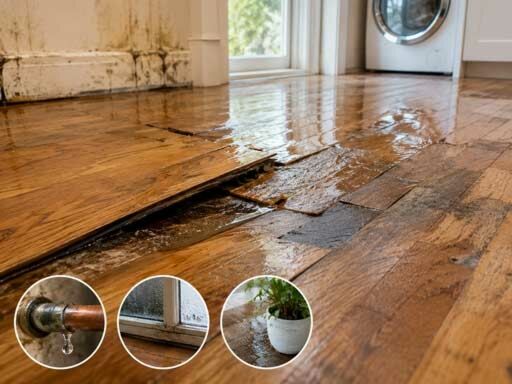
Water damage is one of the most common — and most frustrating — issues faced by homeowners with wooden floors. Whether it’s caused by a burst pipe, a leaking appliance, or an accidental spill, moisture can quickly compromise the integrity and appearance of your flooring.
But here’s the good news: not all water damage leads to full floor replacement. With timely action and the right approach, it’s often possible to restore your wooden floor to its former beauty. In this guide, we’ll walk you through everything you need to know — from spotting the signs of damage to deciding when to call in the professionals.
What Causes Water Damage to Wooden Floors?
Understanding the sources of water damage is the first step toward prevention and effective repair. Wooden floors are especially vulnerable to moisture, which can seep through gaps, soak into the grain, and cause long-term structural issues if left untreated.
Common causes of water damage include:
- Leaking pipes or plumbing issues – Hidden leaks under or near flooring can go unnoticed until damage becomes severe.
- Appliance malfunctions – Washing machines, dishwashers, and fridges with water dispensers are frequent culprits.
- Flooding or heavy rain – Floodwater entering from outside or through foundations can saturate timber subfloors and boards.
- Spills and accidents – Especially in kitchens, bathrooms, and hallways, where water use is more frequent.
- Improper cleaning methods – Using excessive water during mopping or unsuitable cleaning products can lead to gradual moisture buildup.
Identifying and addressing the source of the moisture is essential before beginning any restoration work.
Signs of Water Damage on Wooden Floors
Water damage can manifest in several ways, some obvious and others more subtle. Recognising the early signs allows you to act quickly and potentially save your floor from permanent damage.
Look out for these common indicators:
- Cupping or warping – Floorboards begin to rise at the edges or twist out of shape due to moisture imbalance.
- Buckling – Boards lift completely off the subfloor, often as a result of prolonged exposure to standing water.
- Mould or mildew – A musty smell or visible black spots may indicate that moisture has settled under the floor.
- Discolouration – Stains, dark patches, or fading can signal water penetration, especially if located near appliances or entry points.
- Gaps or raised nails – As the wood expands and contracts, fasteners may loosen or gaps may appear between boards.
If you notice any of these symptoms, it’s important to investigate the cause and begin drying and repairs as soon as possible.
Why Acting Quickly Matters
When it comes to water damage, time is critical. The longer moisture is allowed to remain in or under your wooden flooring, the more severe the damage becomes. Even a short delay can turn a minor issue into a major, costly repair.
Wood is a porous material that absorbs water easily, and once saturated, it can swell, deform, or even begin to rot. Left untreated, water can also create the perfect environment for mould growth, which poses health risks and can be difficult to eliminate completely.
Here’s what to do immediately if your floor has been exposed to water:
- Stop the source – Whether it's a leak or a spill, cut off the water flow as soon as possible.
- Remove standing water – Use a wet vacuum or absorbent towels to eliminate pooled water.
- Increase ventilation – Open windows, use fans, and run a dehumidifier to promote drying.
- Inspect surrounding areas – Check skirting boards, furniture, and subflooring for hidden moisture.
Fast action can mean the difference between a simple fix and a full floor replacement.
How to Save Your Hardwood Floor After Water Exposure
If you act quickly and the water damage is not too severe, it may be possible to save your hardwood floor without needing a full replacement. The key is to begin the drying and cleaning process as soon as the source of the water has been stopped.
Here are some practical steps to help recover your flooring:
- Use a wet vacuum – Remove as much water as possible from the surface using a wet/dry vacuum designed for hardwood floors.
- Dry the area thoroughly – Use industrial fans or dehumidifiers to extract moisture from the air and floor. Avoid using heat sources that could cause the wood to crack.
- Clean the surface – Use a wood floor cleaner to remove dirt, bacteria, and any contaminants that may have entered with the water.
- Disinfect if needed – For grey or blackened areas, use specialist mould treatment products suitable for wood floors.
- Monitor the floor – Check the floor for signs of swelling or separation over the following days. Moisture meters can help assess hidden dampness.
In many cases, these steps can stabilise the floor and prepare it for sanding and refinishing if necessary.
Assessing the Damage to Your Wooden Floor
After drying and cleaning the affected area, it's essential to assess the extent of the damage before deciding on any repairs. Not all water damage is visible at first glance, so a careful inspection is necessary to determine the best course of action.
Key factors to consider include:
- Type of wood – Solid wood is more resilient and can often be sanded, while engineered wood may suffer from delamination.
- Finish type – Lacquered floors offer better water resistance, whereas oiled finishes tend to absorb more moisture and may require deeper treatment.
- Size of the affected area – A small, localised spill is easier to recover from than widespread water infiltration across multiple rooms.
- Time of exposure – The longer the floor remained wet, the more likely the damage has penetrated beyond the surface layer.
If you're unsure about the condition of your floor, it's wise to consult a professional who can use moisture meters and assess subfloor conditions before recommending repair options.
Repair Options for Water-Damaged Wooden Floors
Once you’ve assessed the condition of your floor, the next step is to determine the most suitable repair method. The solution will depend on the severity and spread of the damage, as well as the type of flooring installed.
Here are the most common repair approaches:
- Sanding and refinishing – For minor cupping, surface stains, or slight warping, sanding down the top layer and applying a fresh finish can restore the floor’s appearance.
- Board replacement – If certain planks are too warped or have developed mould beneath the surface, those sections may need to be removed and replaced with matching boards.
- Full replacement – In cases of extensive water penetration, especially if the subfloor is damaged, full floor replacement may be the only viable option.
Consulting a professional flooring technician is crucial. They can determine whether your floor can be salvaged and ensure that any repairs blend seamlessly with the existing boards.
Conclusion & Next Steps
Water damage doesn’t always mean the end for your wooden flooring. With quick action, the right tools, and expert guidance, many types of damage can be successfully repaired. Identifying the source, drying the area thoroughly, and assessing the extent of the damage are the keys to preventing long-term issues.
If you're dealing with water-damaged flooring and are unsure what to do next, don't hesitate to contact our team. We offer expert advice and a wide range of high-quality flooring products to help you restore your home or commercial space with confidence.
Need help choosing the right solution? Contact us today or explore our range of engineered wood flooring and LVT/SPC flooring options for moisture-resistant upgrades.
Frequently Asked Questions About Water-Damaged Wooden Floors
Can water-damaged wood floors be repaired?
Yes, in many cases. If the damage is caught early and limited to the surface, sanding and refinishing may be enough. More severe cases might require plank or full floor replacement.
How do I know if my floor is too damaged to repair?
Signs such as widespread buckling, persistent mould, or damage to the subfloor may indicate that repair isn't viable. A professional inspection can help determine the best solution.
How long does it take for wooden floors to dry after water damage?
Drying can take several days to over a week, depending on the extent of the water exposure, ventilation, and wood type. Using dehumidifiers and fans speeds up the process.
Will insurance cover water damage to wood floors?
This depends on your policy. Sudden incidents like burst pipes are often covered, while gradual damage from poor maintenance may not be. Check your coverage or contact your provider.
What type of flooring is most resistant to water damage?
LVT and SPC flooring are excellent water-resistant alternatives to hardwood. Engineered wood with a sealed surface also offers better protection than traditional solid wood.