Engineered Wood Flooring: Pros, Care & Installation
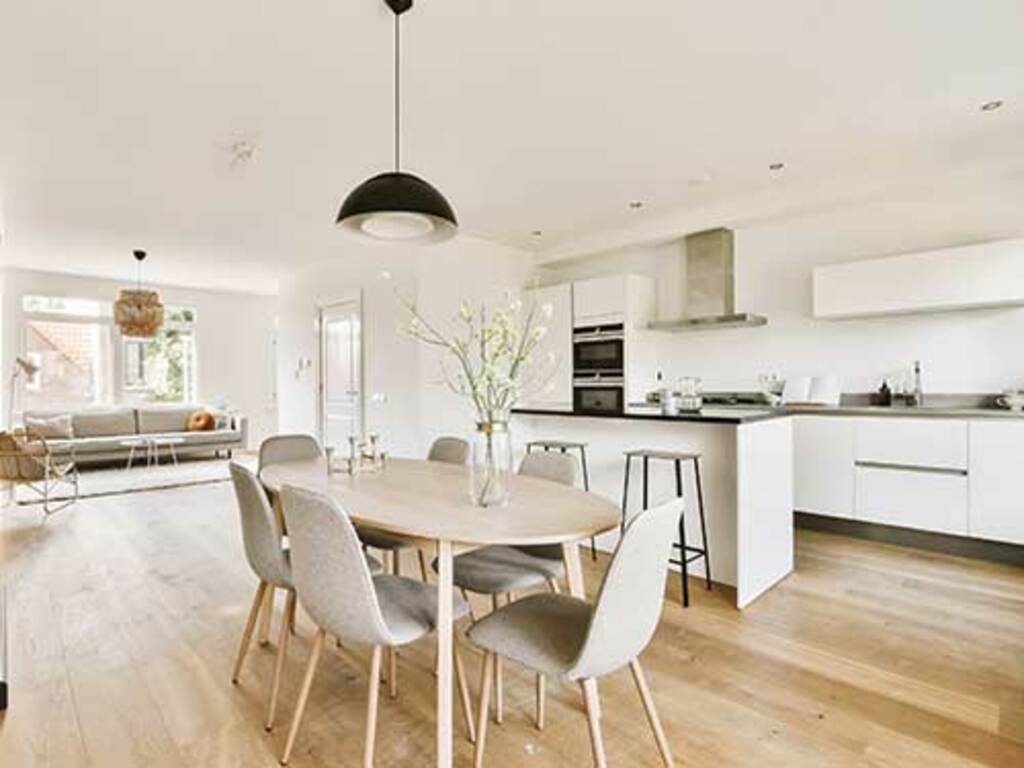 Engineered wood flooring is a versatile and durable alternative to solid hardwood. It consists of multiple layers, with a real hardwood veneer on top and a stable plywood or high-density fiberboard (HDF) core underneath. This construction enhances its resistance to moisture and temperature changes, making it a popular choice for modern homes.
Unlike solid hardwood, which is made from a single piece of wood, engineered wood offers greater stability while maintaining the natural beauty of real wood. It can be installed in areas where solid hardwood might not be suitable, such as basements or rooms with fluctuating humidity levels.
Composition and Manufacturing Process
Engineered wood flooring is composed of multiple layers, each serving a specific purpose to enhance durability and stability:
- Top Layer (Veneer or Wear Layer) – A thin sheet of real hardwood (oak, maple, walnut, etc.) that provides the flooring’s natural wood appearance.
- Core Layers – Made from plywood, high-density fiberboard (HDF), or softwood, these layers add strength and prevent warping.
- Bottom Layer (Backing Layer) – A stabilising base, typically made of hardwood or plywood, designed to provide balance and resist moisture.
Materials Used in Each Layer
- Veneer Layer: High-quality hardwood species like oak, walnut, or hickory.
- Core Layer: Plywood or HDF, often made from birch or poplar, ensuring structural integrity.
- Backing Layer: Softwood or hardwood plywood, acting as a moisture-resistant foundation.
Steps in the Manufacturing Process
- Raw Material Selection – High-quality hardwood is chosen for the veneer, while durable plywood or fiberboard is selected for the core.
- Veneer Preparation – Hardwood logs are sliced or peeled into thin sheets to create the top layer.
- Core and Backing Construction – Multiple layers of plywood or HDF are glued together in alternating grain directions to enhance stability.
- Layer Bonding – The hardwood veneer is glued onto the core layers using heat and pressure to ensure a strong bond.
- Pressing and Curing – The assembled flooring is pressed under high pressure and heat to solidify the adhesive and prevent delamination.
- Cutting and Profiling – The flooring planks are cut to size and shaped with tongue-and-groove edges for easy installation.
- Finishing and Coating – The surface is sanded, stained (if needed), and coated with protective finishes like UV-cured polyurethane or natural oils.
- Quality Control and Packaging – Each plank is inspected for defects, graded, and packaged for distribution.
This multi-layered construction process ensures engineered wood flooring remains stable, durable, and aesthetically appealing, making it a reliable choice for homeowners and businesses alike.
Advantages of Engineered Wood Flooring
Engineered wood flooring is designed for long-lasting performance. Unlike solid hardwood, its layered construction prevents warping and shrinking, making it highly resistant to wear and tear. The top hardwood veneer provides the same natural beauty as solid wood, while the core layers enhance overall strength. This makes it an excellent choice for high-traffic areas in homes and commercial spaces.
Resistance to Temperature and Humidity Changes
One of the biggest advantages of engineered wood flooring is its ability to withstand fluctuations in temperature and humidity. The multi-layered core prevents expansion and contraction, making it ideal for areas with varying climate conditions, such as basements, kitchens, and homes with central heating. Unlike solid hardwood, engineered wood is less likely to warp or crack due to seasonal changes.
Compatibility with Underfloor Heating
Unlike solid wood, which can be damaged by heat fluctuations, engineered wood flooring works well with underfloor heating systems. Its stable construction allows for even heat distribution without causing damage or distortion. This makes it a popular choice for modern homes looking for a combination of warmth and aesthetics.
Ease of Installation
Engineered wood flooring is available in multiple installation styles, including tongue-and-groove, click-lock, and glue-down options. Many homeowners opt for floating installations, which require no nails or adhesives, making it a convenient DIY project. Its ease of installation reduces labor costs and speeds up the flooring process.
Variety of Designs and Finishes
Engineered wood flooring comes in various wood species, colors, finishes, and textures. Whether you prefer the rustic charm of hand-scraped oak, the elegance of walnut, or the modern appeal of matte finishes, there’s a style to suit every aesthetic. Many options also include pre-finished surfaces with protective coatings, adding to their durability.
Environmentally Friendly Aspects
Engineered wood flooring is a more sustainable choice than solid hardwood. Because only a thin layer of hardwood is used for the top veneer, fewer trees are required for production. Additionally, manufacturers often source wood from sustainable forests and use eco-friendly adhesives. Some products are even certified by organisations like the Forest Stewardship Council (FSC), ensuring responsible forestry practices.
With its combination of durability, design flexibility, and eco-conscious benefits, engineered wood flooring is a smart and stylish flooring option for modern homes.
Design Options and Trends in Engineered Wood Flooring
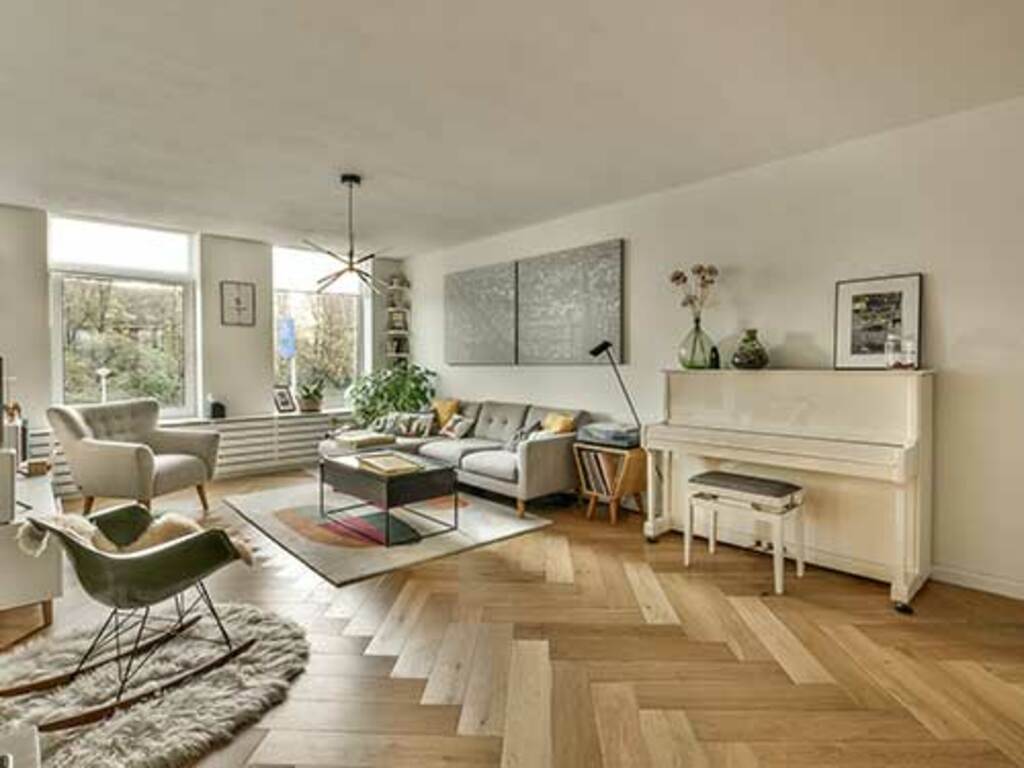 Engineered wood flooring is available in a variety of wood species, offering different aesthetics, grain patterns, and colors. Some of the most popular options include:
- Oak – A classic choice with strong grain patterns and excellent durability.
- Walnut – Rich, dark tones with a smooth, elegant finish.
- Maple – Lighter color with subtle grain, ideal for modern interiors.
- Hickory – Hard and durable, featuring unique grain variations.
- Ash – Pale tones with a distinct, bold grain pattern.
- Exotic Woods – Teak, acacia, and Brazilian cherry add warmth and distinctive character.
Surface Textures and Finishes
Engineered wood flooring comes in a range of textures and finishes to match different interior styles:
- Smooth Finish – Sleek and polished, ideal for contemporary spaces.
- Hand-Scraped – Features a distressed look, adding a rustic, vintage appeal.
- Wire-Brushed – Subtly textured to highlight the wood’s natural grain.
- Matt and Satin Finishes – Offer a modern, low-sheen appearance while hiding scratches better than glossy finishes.
- Oiled Finishes – Enhance the natural look while allowing the wood to develop a patina over time.
Plank Sizes and Patterns
The size and layout of engineered wood planks can significantly impact the look of a space:
- Wide Planks – Create an open, luxurious feel, especially in large rooms.
- Narrow Planks – Offer a traditional, classic aesthetic.
- Chevron and Herringbone Patterns – Add elegance and sophistication, often seen in high-end interiors.
- Mixed-Width Planks – Combine different plank sizes for a more dynamic, natural look.
Current Trends in Engineered Wood Flooring
- Lighter Tones & Natural Finishes – Scandinavian-style white oak and natural, unfinished looks are gaining popularity.
- Matt & Low-Gloss Finishes – These reduce glare and hide imperfections better than high-gloss finishes.
- Wide Plank Flooring – Provides a seamless, modern appearance with fewer seams.
- Reclaimed & Rustic Styles – Weathered, wire-brushed, and hand-scraped textures are in demand for a vintage appeal.
- Eco-Friendly Options – More homeowners are choosing sustainable, FSC-certified wood with non-toxic finishes.
- Dark & Dramatic Shades – Rich, deep hues like espresso and charcoal add contrast and sophistication to modern interiors.
With a wide range of species, finishes, and design options, engineered wood flooring offers flexibility to match any aesthetic while keeping up with the latest trends.
Installation Methods for Engineered Wood Flooring
 Engineered wood flooring offers multiple installation methods, making it suitable for various subfloors and skill levels. The three primary methods are floating, glue-down, and nail-down. Each has its benefits depending on the flooring type and the environment.
Floating Floor Technique
The floating method involves locking the planks together without attaching them to the subfloor. This method is ideal for DIY installations and works well over concrete, plywood, or even existing floors.
- How It Works: Planks are clicked or snapped together using a tongue-and-groove or click-lock system. A foam or cork underlayment is placed beneath the floor to reduce noise and provide cushioning.
- Best For: DIY projects, apartments, and areas where you may want to remove or replace flooring in the future.
- Pros:
- Easy and fast installation
- No glue or nails required
- Can be installed over existing flooring
- Cons:
- Less solid feel underfoot compared to glued or nailed floors
- Can produce a slight hollow sound when walked on
Glue-Down Method
The glue-down method involves adhering the planks directly to the subfloor using a strong flooring adhesive. This creates a stable, permanent installation and is commonly used over concrete subfloors.
- How It Works: Adhesive is spread evenly using a trowel, and planks are pressed into place. Some adhesives offer moisture resistance, making them suitable for high-humidity areas.
- Best For: Concrete subfloors, high-traffic areas, and commercial spaces.
- Pros:
- Provides a solid, stable feel
- Reduces noise compared to floating floors
- Works well with underfloor heating
- Cons:
- More labor-intensive and time-consuming
- Difficult to remove or replace planks
- Requires proper ventilation due to adhesive fumes
Nail-Down Method
The nail-down method secures the flooring to a plywood or wooden subfloor using nails or staples. It’s a traditional installation method that provides a firm and long-lasting result.
- How It Works: Planks are nailed or stapled at an angle through the tongue of each board into the subfloor. A pneumatic flooring nailer is often used for faster installation.
- Best For: Wooden subfloors, traditional homes, and areas where maximum stability is needed.
- Pros:
- Extremely secure and long-lasting
- Traditional, high-quality installation method
- Can be refinished multiple times
- Cons:
- Requires professional tools and expertise
- Not suitable for concrete subfloors
- More time-consuming than floating or glue-down methods
Preparation and Tools Required
Regardless of the installation method, proper preparation is crucial for a successful result.
- Preparation Steps:
- Acclimate the Flooring: Let the planks sit in the room for at least 48 hours to adjust to the temperature and humidity.
- Prepare the Subfloor: Ensure it is clean, dry, and level. Fill any gaps or uneven areas.
- Install Underlayment (If Needed): Floating floors require a foam or cork underlayment for cushioning and moisture protection.
- Tools Needed:
- Floating Floor: Tape measure, underlayment, utility knife, spacers, tapping block, pull bar.
- Glue-Down: Trowel, flooring adhesive, roller, cleaning cloths for excess glue.
- Nail-Down: Pneumatic flooring nailer, nails/staples, hammer, pry bar, measuring tape.
Each method has its advantages, and choosing the right one depends on your subfloor, skill level, and long-term flooring needs.
Maintenance and Care for Engineered Wood Flooring
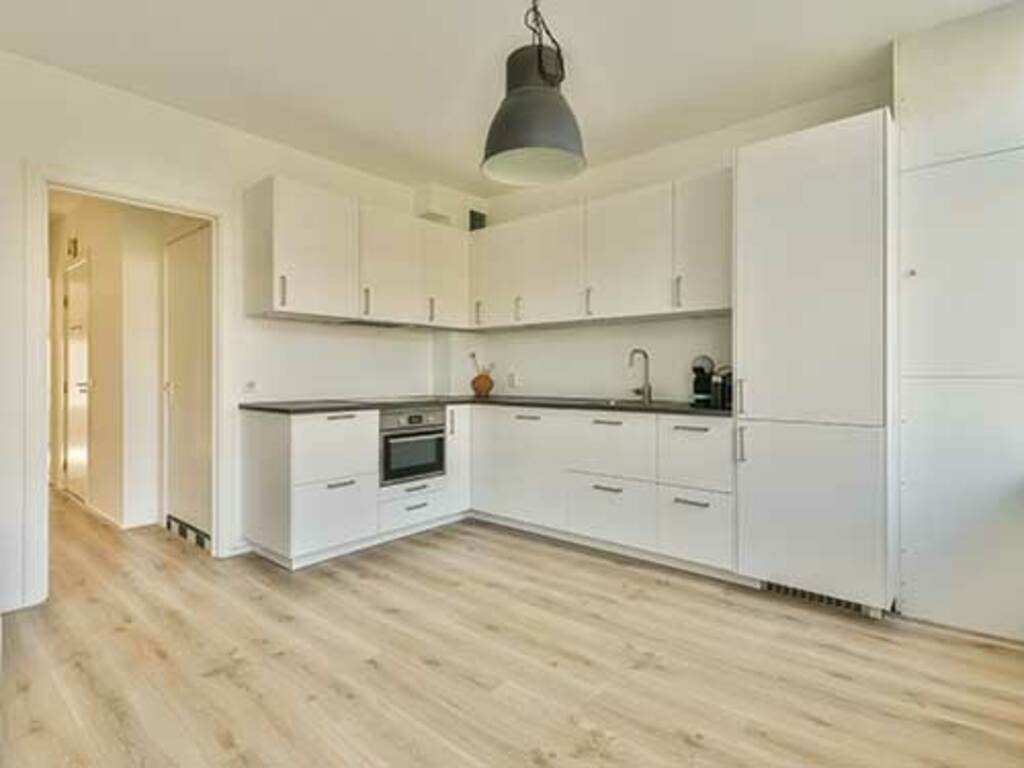 Keeping your engineered wood floors looking great starts with simple daily habits. Sweep or vacuum regularly to remove dust and debris that can cause wear over time. Use a microfiber mop with a damp (not wet) cloth and a pH-neutral wood floor cleaner to maintain shine without damaging the finish. Avoid steam mops or excessive water, as moisture can seep into the layers and weaken the structure.
Preventing Scratches and Dents
Prevention is key to keeping your floors in top condition. Place felt pads under furniture legs to prevent scratches and use rugs or runners in high-traffic areas. Avoid wearing high heels or dragging heavy furniture across the floor. If you have pets, keep their nails trimmed to minimise damage.
Dealing with Spills and Moisture
Wipe up spills immediately to prevent water damage or staining. Use a dry or slightly damp cloth—never let liquids sit on the surface. In areas prone to moisture, such as kitchens, consider using mats near sinks and dishwashers to catch accidental spills. Maintaining stable indoor humidity levels (between 40-60%) also helps prevent warping or gaps.
Refinishing Options and Guidelines
One of the benefits of engineered wood flooring is that it can be refinished, but it depends on the thickness of the top veneer. Thin veneers (under 2mm) are best left untouched, while thicker ones (3mm or more) can handle light sanding and refinishing. Always consult a professional before attempting refinishing, as improper sanding can permanently damage the surface.
Common Misconceptions About Engineered Wood Flooring
Many people assume engineered wood flooring is less durable than solid wood, but that’s not entirely true. High-quality engineered wood features a tough wear layer made of real hardwood, often making it just as resistant to scratches and dents as solid wood. Additionally, its multi-layered core provides superior stability, reducing the risk of warping or expanding due to temperature and humidity changes—something solid wood struggles with.
Suitability for Wet Areas
A common myth is that engineered wood can handle excessive moisture like tile or vinyl. While it’s more moisture-resistant than solid wood due to its layered construction, it’s still not 100% waterproof. Prolonged exposure to water can cause swelling or damage. However, when installed correctly with proper sealing, engineered wood can be a great option for kitchens, basements, and even powder rooms—just avoid areas with heavy water exposure, like full bathrooms.
Lifespan and Refinishing Capabilities
Some believe engineered wood doesn’t last as long as solid wood, but with proper care, it can last 20 to 30 years or more. Its refinishing potential depends on the thickness of the top veneer—thicker wear layers (3mm or more) can be lightly sanded and refinished once or twice, extending the floor’s life. While it may not be refinished as many times as solid wood, it still offers longevity and beauty for decades.
Engineered wood flooring is a durable, stylish, and practical choice—don’t let misconceptions keep you from considering it for your home.