Master the Art of Floor Sanding with Premium Floor Sanding Pads
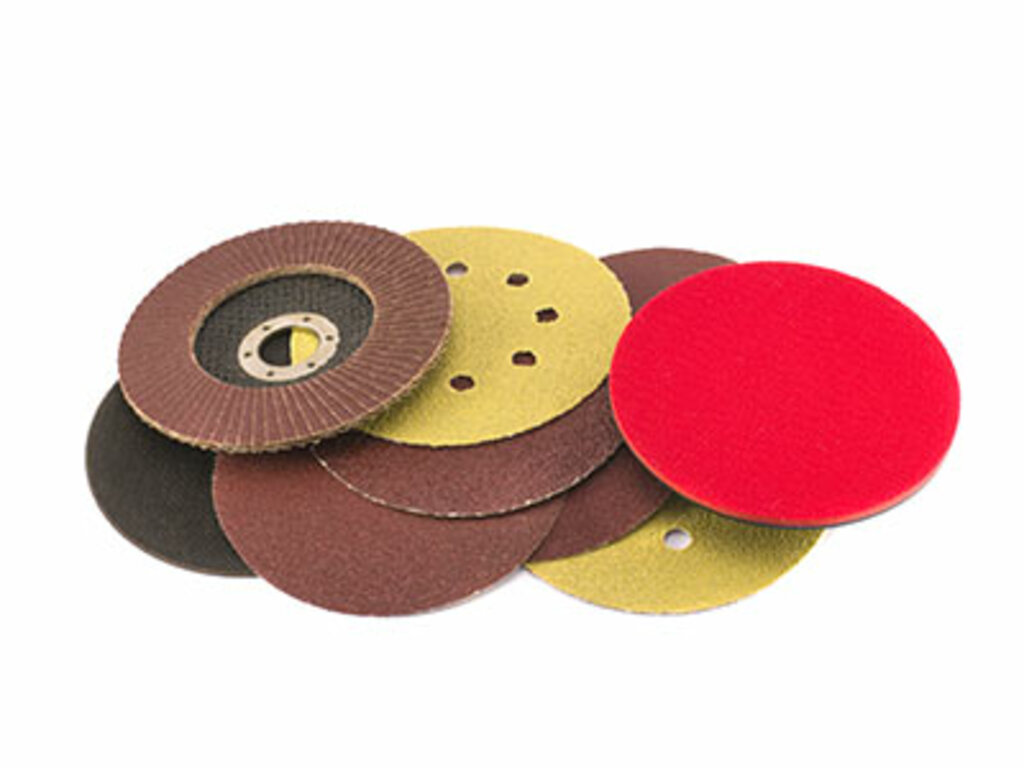 Whether you're a professional contractor or a dedicated DIY enthusiast, the quality of your floor sanding pads can make or break the final result. Choosing the right pads ensures a smooth, even finish while protecting the integrity of your wood surface. In this article, we’ll explore everything you need to know about floor sanding pads—from types and grit levels to application tips and buying advice. Let’s dive into the essentials of sanding like a pro!
Understanding the Importance of Floor Sanding Pads
Floor sanding pads are essential tools in the sanding process, designed to strip away imperfections, scratches, and old finishes from hardwood surfaces. Their primary role is to help you achieve a smooth, uniform base for refinishing.
Choosing the right sanding pad can significantly improve efficiency and control, reducing the risk of over-sanding or uneven results. With the correct pad, you can achieve a professional-quality finish that enhances the natural beauty of your wood floor while preparing it for staining or sealing.
Different Types of Floor Sanding Pads
To achieve optimal sanding results, it’s essential to understand the different types of floor sanding pads available. These pads vary by grit level, material composition, and application type—each suited for a specific stage in the sanding process. Choosing the right combination ensures a smooth workflow and a flawless floor finish.
Abrasive Grits
Floor sanding pads come in a variety of abrasive grit levels, each serving a specific purpose during the sanding process:
- Coarse grits – Best for initial sanding, removing old finishes, deep scratches, and leveling uneven surfaces.
- Medium grits – Ideal for refining the surface after coarse sanding, preparing it for finishing.
- Fine grits – Used in the final stages to achieve a polished, smooth surface ready for staining or sealing.
Abrasive Materials
Floor sanding pads are made from several types of abrasives, each offering unique performance benefits depending on your project’s needs. Here are the most commonly used types:
- Aluminium Oxide Abrasives – A popular, long-lasting abrasive that offers great durability and versatility. Ideal for general-purpose sanding on hardwood floors.
- Ceramic Abrasives – Engineered for extended life and aggressive cutting. Excellent for sanding tough finishes and dense wood surfaces with consistent results.
- Silicon Carbide Abrasives – Extremely sharp and fast-cutting, best suited for heavy-duty sanding where rapid material removal is needed. Ideal for harder wood species or old coatings.
- Zirconia Abrasives – Known for its self-sharpening grains and high heat resistance. A great choice for coarse sanding and removing thick layers of finish efficiently.
For a deeper look at how each abrasive type performs and where it's best used, read our Ultimate Guide to Sanding Abrasives.
Pad Types
Floor sanding pads are available in several types, depending on the sanding machine and the stage of the process:
- Drum sanding pads – Designed for use with drum sanders, perfect for covering large floor areas quickly and effectively.
- Orbital sanding pads – Used with orbital or random orbital sanders for smaller rooms or delicate work that requires precision.
- Buffer pads – Employed in the final stage of sanding to buff the surface and create a smooth, even finish.
Recommended Sanding Pads
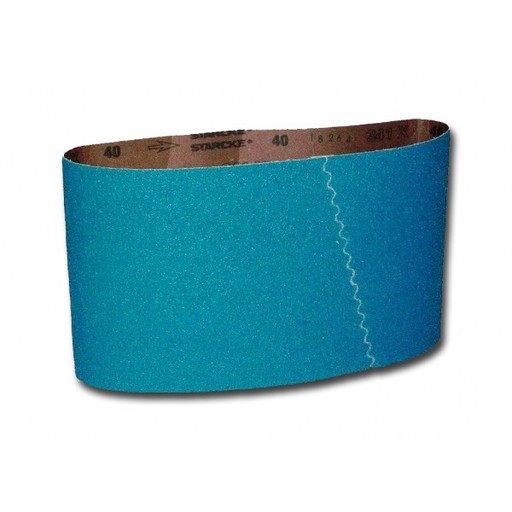
Starcke 8 Inch Sanding Belts 120G, 200 x 750 mm, Zirconia
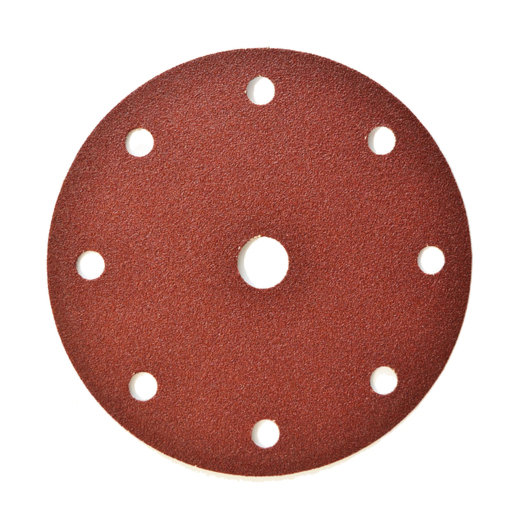
Starcke 60G Sanding Discs, 150 mm, 8+1 Holes, Velcro, Festool
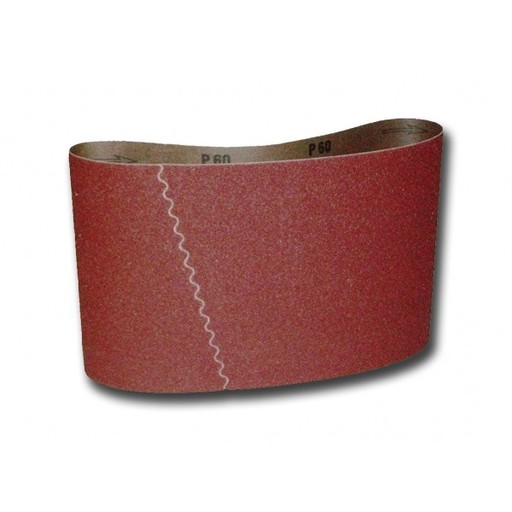
Starcke 10 Inch Sanding Belts 60G, 250 x 750 mm, Aluminium Oxide
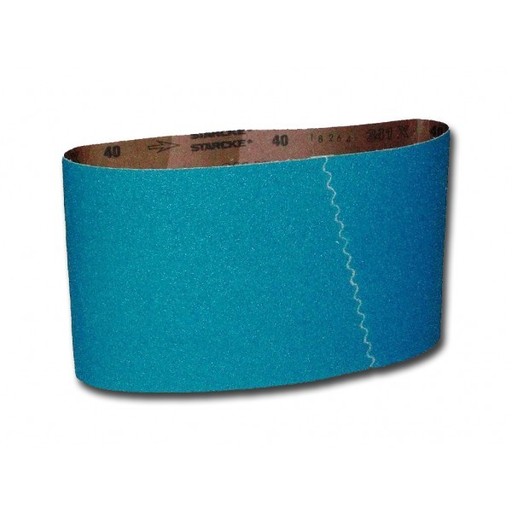
Starcke 8 Inch Sanding Belts 24G, 200 x 750 mm Zirconia
Advantages of Using High-Quality Floor Sanding Pads
Choosing premium floor sanding pads isn’t just about durability—it’s about achieving better results, faster and more efficiently. High-quality pads deliver superior sanding performance, longer lifespan, and improved user experience. Below are some of the key advantages of investing in professional-grade sanding pads.
Superior Material Removal
High-quality sanding pads are engineered for fast and efficient material removal. Their strong abrasive surface makes it easier to remove old finishes, scratches, or imperfections without repeated passes—saving both time and effort.
Consistent Performance
Premium pads maintain consistent abrasiveness throughout their lifespan. This ensures smooth, even sanding with fewer swirl marks or streaks, resulting in a cleaner surface ready for finishing.
Reduced Clogging
Advanced coatings or open-coat designs on top-tier pads help minimise clogging caused by wood dust and debris. Less clogging means more effective sanding and longer-lasting performance from each pad.
Enhanced Dust Extraction
Some sanding pads are designed to work with dust extraction systems. These pads allow for cleaner sanding operations by reducing airborne particles—creating a healthier work environment and improving visibility while working.
Compatibility with Sanding Equipment
Top-grade floor sanding pads are made to fit a wide range of sanding machines, from drum sanders to orbital buffers. This ensures a secure fit, smoother workflow, and no interruptions during your sanding process.
Tips for Using Floor Sanding Pads Effectively
Even the best sanding pads require proper technique to deliver professional results. By following the right practices and using the correct tools, you can maximise both the quality and efficiency of your floor sanding project. Here are some essential tips for getting the most out of your floor sanding pads.
Select the Right Grit
Always choose the grit level based on the condition of your floor. Begin with a coarse grit to remove old finishes or deep scratches, then gradually progress to medium and fine grits for a smooth and even surface.
Follow the Recommended Sanding Pattern
Sand in the direction of the wood grain to prevent swirl marks and achieve consistent, uniform results. Using the proper pattern ensures a clean finish and reduces the risk of over-sanding.
Regularly Inspect and Replace Worn Pads
Check your sanding pads regularly for signs of wear. Replacing pads as needed will prevent poor results and avoid damaging the wood floor with uneven abrasives or bare spots.
Proper Dust Extraction
Use a dust collection system or a vacuum with your sander to maintain a clean workspace. This helps you see your progress clearly and prevents airborne dust from settling on freshly sanded surfaces.
Investing in high-quality floor sanding pads is a smart move that can significantly improve the outcome of your project. When paired with proper technique, these pads can transform worn wood into a beautifully smooth surface, ready for finishing or staining. Don’t forget to prioritise safety—always wear protective gear like goggles, gloves, and a dust mask while sanding.
Always refer to manufacturer guidelines and consult with professionals for best results based on your specific flooring project.