Hardwax Oils – Pros, Cons & Expert Tips
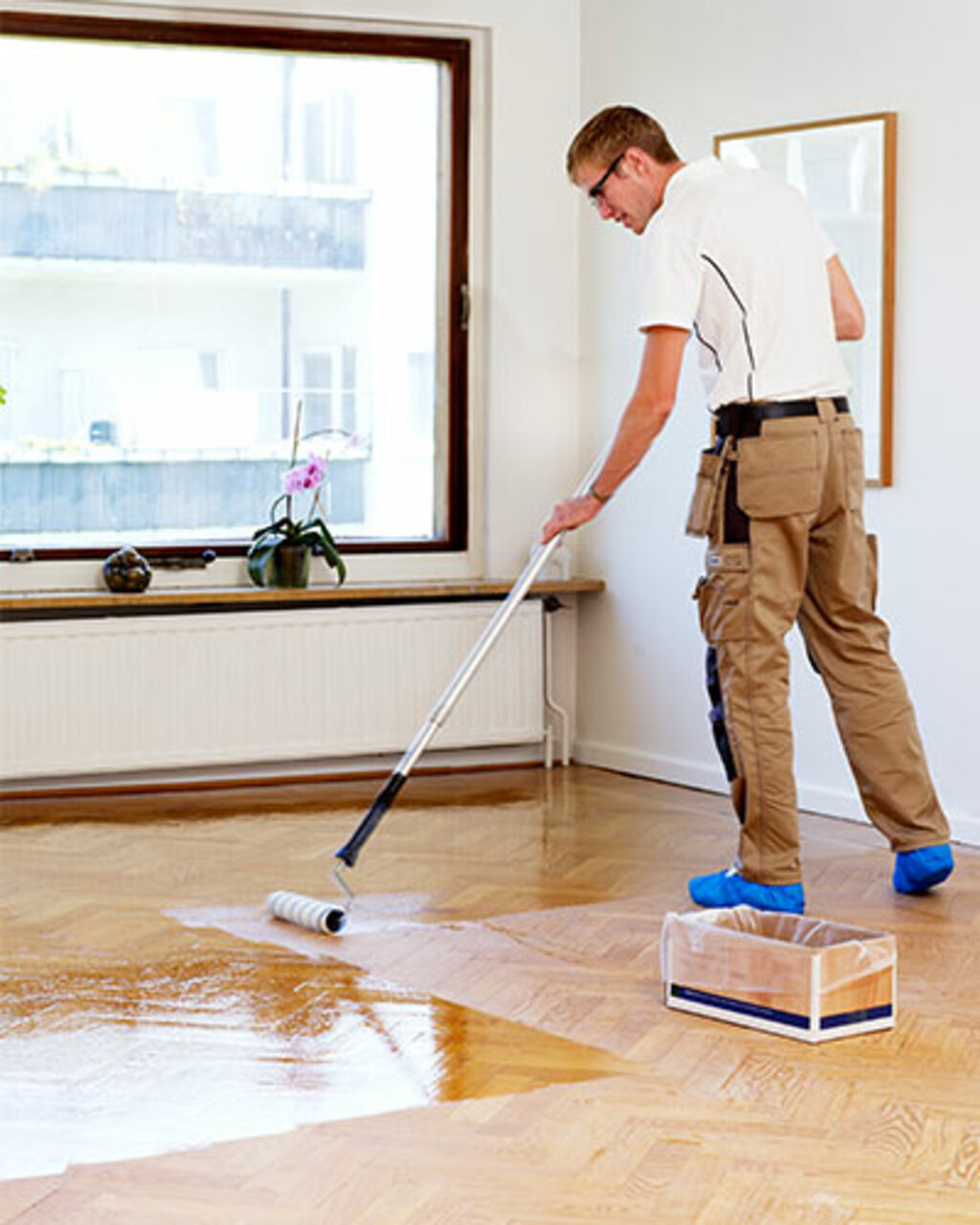
Hardwax oils are a widely popular solution for protecting wooden floors and furniture, offering a balance between natural aesthetics and durable surface protection. Easy to apply and visually appealing, hardwax oils create a breathable layer that enhances the wood’s grain while providing excellent resistance to moisture, dirt, and everyday wear.
However, like any finishing product, hardwax oil has its own set of advantages and limitations. Before choosing it for your floors or woodwork, it's important to understand how it performs compared to other finishes like lacquers or penetrating wood oils.
In this guide, we’ll explore the pros and cons of using hardwax oil on wood floors and furniture, helping you make an informed decision for your next project.
Advantages of Using Hardwax Oils
Provides a Natural and Durable Finish
Hardwax oil is a preferred finishing choice among flooring professionals and woodworkers due to its ability to enhance the natural beauty of wood while offering long-lasting protection. Unlike lacquers, which form a plastic-like film on the surface, hardwax oil penetrates deep into the wood fibers, safeguarding the material from within.
This penetrating action not only protects against wear and tear but also allows the wood to breathe naturally. Maintaining this breathability helps prevent common issues like warping, cracking, or moisture damage over time.
For solid wood floors in high-traffic areas such as hallways and entryways, hardwax oil is an excellent choice due to its durability and ease of maintenance. When signs of wear appear, the finish can be easily refreshed by reapplying a new coat — no need for intensive sanding or refinishing.
Easy to Apply and Maintain
One of the standout benefits of hardwax oil is its user-friendly application process. Applying hardwax oil is straightforward — typically requiring just a brush, roller, or pad, and one or two thin coats. Its highly absorbent nature ensures even coverage, while any excess can be easily wiped away with a cloth, avoiding the mess often associated with other finishes like polyurethane lacquers.
Maintenance is equally simple. Hardwax oil provides excellent resistance to water, spills, and everyday stains, allowing for routine cleaning without damaging the finish. For daily care, we recommend using ph-neutral wood floor cleaners to preserve the finish's longevity and appearance.
Unlike some finishes that require full sanding and refinishing when worn, hardwax oil can be easily refreshed by applying an additional coat to high-traffic areas, making it a practical choice for both homeowners and flooring professionals.
Enhances the Natural Beauty of the Wood
When it comes to finishing wood floors and furniture, hardwax oil is a top choice for professionals and enthusiasts seeking an authentic, natural look. Unlike synthetic finishes that can leave a glossy, plastic-like appearance, hardwax oil penetrates deep into the wood fibres, enhancing the grain and bringing out the wood's rich, natural colour.
This finish is especially effective on hardwood species like oak and walnut, highlighting their unique textures and tones. The result is a warm, matte or satin finish that feels genuine and preserves the wood's character, making it ideal for those who appreciate a more organic aesthetic.
It’s no surprise that many flooring experts and woodworkers recommend hardwax oil as a preferred solution for enhancing the natural beauty of wood while providing reliable protection.
Water-Resistant and Protects Against Stains
Hardwax oil is highly valued for its ability to protect wooden surfaces from water, stains, and everyday spills. By penetrating the wood and creating a breathable yet protective barrier, it prevents liquids from seeping into the surface, significantly reducing the risk of water damage and stains.
This makes hardwax oil an excellent choice for engineered wood floors and solid wood floors in high-traffic and moisture-prone areas such as kitchens, dining rooms, and even well-ventilated bathrooms.
In addition to water resistance, hardwax oil also provides reliable protection against common household substances like oil, wine, and food stains. When applied and maintained correctly, this finish ensures your wooden surfaces stay beautiful and well-protected for many years.
Environmentally Friendly Choice
When choosing a finish for your wood floors or furniture, environmental impact is an important consideration. Hardwax oil stands out as an eco-friendly solution made from natural ingredients such as linseed oil, beeswax, and carnauba wax. These components are non-toxic, making hardwax oil safe for use in homes with children, pets, and allergy-sensitive individuals.
In addition to being safe for indoor environments, hardwax oil is also biodegradable and poses no harm to the environment upon disposal. Unlike synthetic finishes that contain harmful chemicals, hardwax oils align with sustainable living practices while delivering outstanding protection and aesthetics.
For homeowners looking to combine eco-friendly flooring solutions with high-performance finishes, hardwax oil is the perfect choice.
Recommended Hardwax & Oils
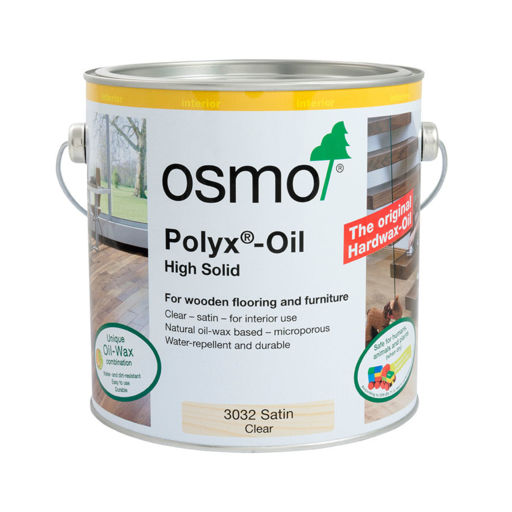
Osmo Polyx-Oil Hardwax-Oil, Original, Satin, 2.5L
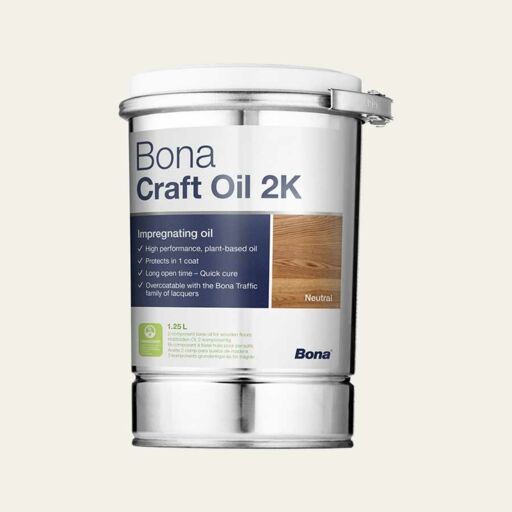
Bona Craft Oil, 2K, Frost, 1.25L
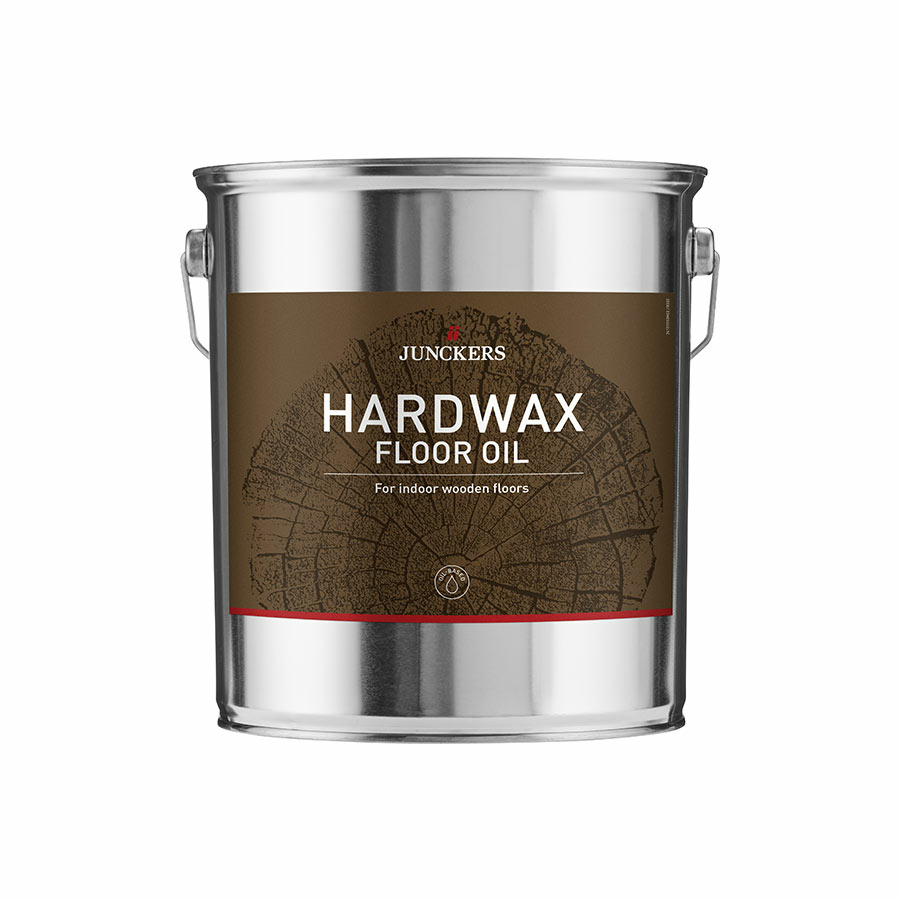
Junckers Hardwax Floor Oil, 5L
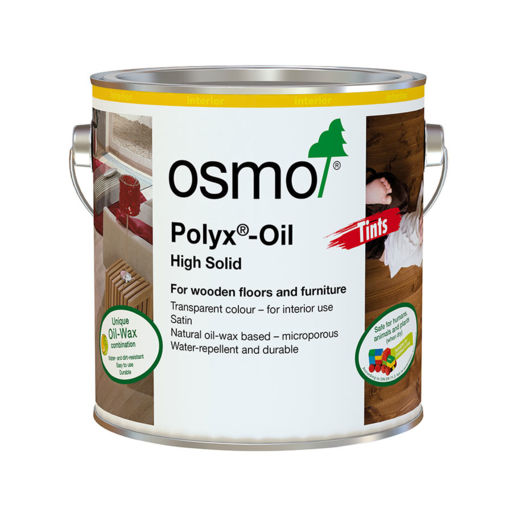
Osmo Polyx-Oil Hardwax-Oil, Tints, Honey, 2.5L
Disadvantages of Using Hardwax Oils
Requires More Frequent Maintenance
While hardwax oil offers a natural and beautiful finish, it’s important to note that it typically requires more frequent maintenance compared to surface coatings like lacquers or sealants. Unlike these finishes, which form a protective film on top of the wood, hardwax oil penetrates the wood fibres, leaving the surface more vulnerable to scratches, scuffs, and general wear.
In high-traffic areas, such as hallways and entryways, the protective layer provided by hardwax oil may wear down faster, necessitating periodic reapplication to maintain optimal protection and appearance. Minor imperfections can often be remedied by simply applying another thin coat of oil. However, deeper damage may eventually require professional floor sanding and refinishing to restore the surface.
With a consistent maintenance routine and prompt touch-ups, hardwax oil can continue to deliver long-lasting beauty and durability for your wooden floors and furniture.
More Expensive Than Other Finishes
When choosing a finish for your wood floors or furniture, it’s important to consider the overall cost. Hardwax oil is generally more expensive than other finishing options, such as lacquers or polyurethane sealants. Prices can vary depending on the brand and product quality, but hardwax oils typically carry a higher price tag.
This is largely due to their composition of natural ingredients like linseed oil, beeswax, and carnauba wax, as well as the more meticulous application process, which often requires multiple coats and longer drying times. These factors can increase both material and labour costs.
Despite the higher upfront investment, many homeowners and professionals find that the enhanced durability, easy maintenance, and natural aesthetic of hardwax oil provide excellent long-term value, making it a worthwhile choice for high-quality wood floor finishes.
Requires More Coats for Proper Coverage
While hardwax oil delivers a beautiful, natural finish, it typically requires more coats to achieve full protection compared to finishes like lacquers or sealants. Because hardwax oil penetrates deeply into the wood fibres, multiple applications are often necessary to build up a durable, protective layer.
The exact number of coats depends on several factors, including the brand of oil, the type of wood, and the surface's initial condition. On average, two to three coats are recommended for optimal coverage and long-lasting results.
It's also important to factor in the additional drying time required between coats. Each layer must cure properly before the next is applied, which can extend the overall finishing process. However, many professionals and wood enthusiasts agree that the superior aesthetic and tactile feel of a hardwax oil finish justify the extra time and effort.
Requires a Longer Curing Time
One important consideration when finishing your wood floors or furniture with hardwax oil is the longer curing time compared to other finishes. Unlike surface coatings like lacquers or sealants, hardwax oil penetrates deeply into the wood fibres to form a protective layer from within. This process naturally requires more time for the finish to fully dry and harden.
The exact curing time can vary depending on several factors, including the specific brand of oil, the number of coats applied, and environmental conditions such as temperature and humidity. Typically, initial drying may take 6–12 hours, while full curing can require several days to reach maximum durability.
Allowing sufficient curing time is crucial to ensure the finish develops its full protective qualities and longevity. While this may require some patience, the superior look and feel of a well-cured hardwax oil finish make it a worthwhile investment for your wood surfaces.
May Darken Over Time
While hardwax oil is praised for enhancing the natural beauty of wood, it's important to note that the finish may darken as it ages. Exposure to sunlight and environmental factors can gradually alter the appearance, giving the wood a richer, deeper tone over time.
Many homeowners appreciate this natural patina, as it reflects the wood's authentic aging process. However, if maintaining the original colour is a priority, you might consider alternative finishes such as lacquers or colour-stable wood oils that offer greater UV resistance.
Not Ideal for High-Traffic Areas
Although hardwax oil provides a durable and protective finish, it may not be the most suitable choice for high-traffic commercial spaces or heavily used areas. Constant wear from heavy foot traffic can gradually wear down the protective layer, leading to visible scratches and dullness.
For such environments, alternative finishes like sealants or hard-wearing lacquers may provide better long-term resilience. As always, consider the specific needs of your project before selecting a finish.
Summary Table: Advantages & Disadvantages of Using Hardwax Oils
| Advantages | Disadvantages |
|---|
| Enhances the natural grain and colour of wood for an authentic, matte finish. | Requires more frequent maintenance and reapplication, especially in high-traffic areas. |
| Penetrates the wood fibres, allowing it to breathe and preventing warping or cracking. | Longer curing time compared to surface finishes like lacquers or sealants. |
| Easy to apply and maintain; damaged areas can be spot-repaired without sanding the whole floor. | Typically requires multiple coats for proper coverage, increasing application time. |
| Provides excellent resistance to water, stains, and everyday wear. | More expensive than conventional finishes due to natural ingredients and labour. |
| Made from natural, non-toxic ingredients; safe for children, pets, and eco-friendly. | May darken over time due to UV exposure and natural aging of the oil. |
Discover Premium Hardwax Oils at Flooring Centre
Transform your wooden floors into a masterpiece of beauty and durability with our premium hardwax oils. Enjoy the perfect balance of natural aesthetics and robust protection against daily use.
Whether you’re refreshing your home or upgrading a commercial space, Flooring Centre offers a wide range of high-quality hardwax oils to suit every need. Contact us today or visit our London showroom to explore the best options for your flooring project.