Choosing the Right Flooring for Your Home
In today's interior design landscape, flooring has evolved beyond being merely functional - it has become a key element of home decor that reflects personal character and style. The choice of flooring can set the tone for an entire space, influencing not just the aesthetic appeal but also the ambience of the home. Whether it’s the warm embrace of hardwood, the sleek elegance of polished marble, or the trendy versatility of luxury vinyl, each flooring option tells a unique story about the homeowner's taste and lifestyle. As homeowners increasingly view their spaces as a canvas for self-expression, flooring choices serve as a powerful statement of individuality, merging practicality with artistic flair. Thus, selecting the right flooring goes beyond mere practicality - it becomes an integral part of crafting a home that resonates with one’s identity.
Factors to Consider Before Choosing Flooring
When selecting flooring, several key factors should be considered to ensure your choice meets both aesthetic and functional needs:
Size of the Room/Building
The size of the space plays a crucial role in your flooring selection. Larger rooms may benefit from expansive materials, such as marble or hardwood, which can enhance the room's grandeur. In contrast, smaller spaces might require lighter colours or simpler designs to prevent a cramped feel. Always consider how the flooring will interact with the room's dimensions to achieve the desired visual balance.
Color Scheme of the Walls
Your wall colour significantly impacts the overall appearance of your space. When choosing to floor, think about how the colours will complement or contrast with your walls. For instance, light-coloured floors can brighten up dark walls, while darker floors can provide a rich, elegant backdrop for lighter walls. Coordinating your flooring with your wall colours will create a cohesive look throughout your home.
Purpose of the Rooms
Different rooms serve various functions, which should guide your flooring choice. High-traffic areas like hallways and living rooms may need durable, easy-to-clean materials such as tiles or laminate. In contrast, bedrooms may benefit from softer, warmer options like carpets or engineered wood. Understanding the purpose of each room ensures that your flooring meets both practical needs and aesthetic preferences.
Budget
Your budget is an important consideration when choosing flooring. Determine how much you're willing to invest in your flooring project, including material and installation costs. While it might be tempting to opt for lower-cost options, remember that quality flooring can enhance your home's value and longevity. Create a budget that allows for a balance between affordability and quality, ensuring you get the best value for your investment.
Maintenance Requirements
Different flooring materials come with varying maintenance needs. For instance, hardwood floors may require regular polishing and refinishing, while tiles are generally easier to clean and maintain. Consider how much time and effort you're willing to dedicate to upkeep when selecting your flooring. If you're looking for low-maintenance options, materials like laminate or vinyl might be ideal, while natural materials like hardwood may require more frequent care.
Climate and Natural Conditions of the Location
The climate and environmental conditions of your area can impact the durability and performance of flooring materials. For example, hardwood may expand and contract in humid climates, while tiles might be better suited for warm, dry conditions. Consider the weather patterns in your region and choose materials that can withstand local conditions, ensuring your flooring remains beautiful and functional over time.
Transportation Availability and Costs
Lastly, consider the availability and cost of transportation for your chosen flooring materials. Some products may be readily available locally, while others may need to be shipped, potentially increasing costs and lead times. Research local suppliers and logistics to ensure you can obtain your desired flooring within your timeframe and budget, helping you avoid unexpected delays or expenses during your project.
By carefully considering these factors, you can make a well-informed decision that enhances your home's beauty and functionality.
Marble Flooring
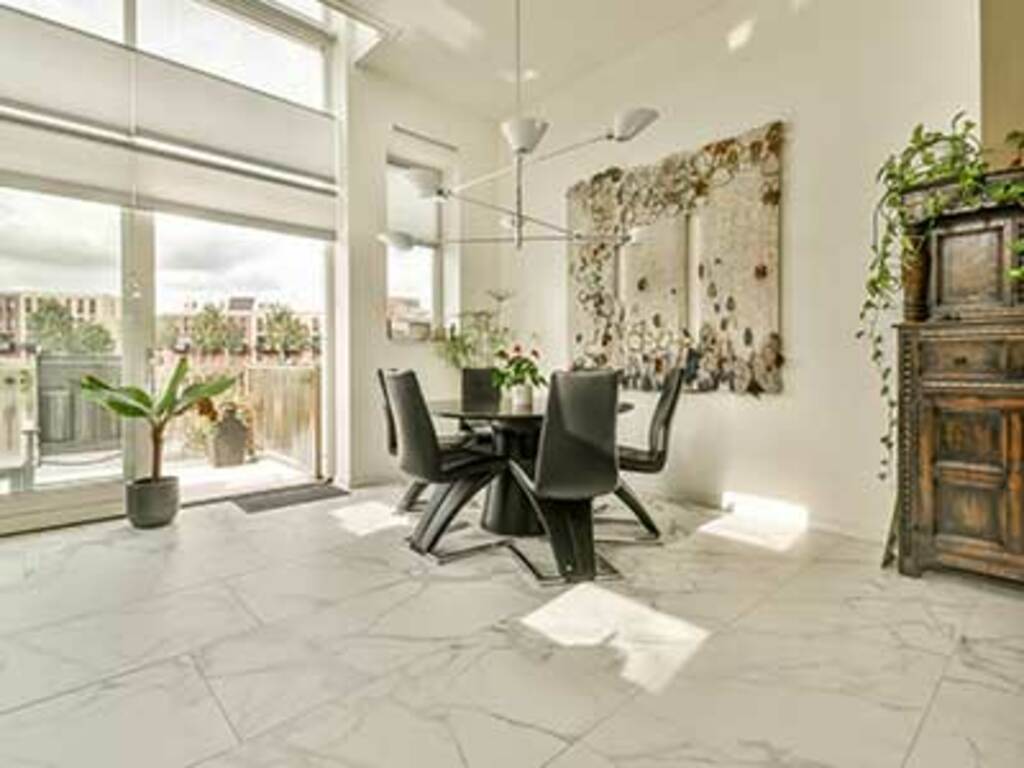 Marble flooring exudes elegance and sophistication, making it a timeless choice for homeowners seeking to create a luxurious atmosphere in larger spaces. With its stunning natural beauty and variety of colours and patterns, marble can significantly elevate the aesthetic of any room.
Pros:
- Timeless Elegance: Marble flooring exudes sophistication, elevating the aesthetic of larger rooms.
- Luxurious Appearance: Creates a royal ambience, unmatched by a few other materials.
- Variety of Colors and Patterns: Available in various styles to complement your home décor.
- Durability: When properly maintained, marble can withstand wear and tear over time.
Cons:
- Regular Maintenance Required: Needs polishing every two to three years to preserve shine and durability.
- Not Low-Maintenance: May not be suitable for homeowners seeking minimal upkeep.
- Slip Risk: Can be slick when wet, posing a risk of slips and falls, particularly for elderly residents.
- Not Ideal for High-Traffic Areas: May not be the best choice for spaces prone to moisture or heavy foot traffic.
Granite Flooring
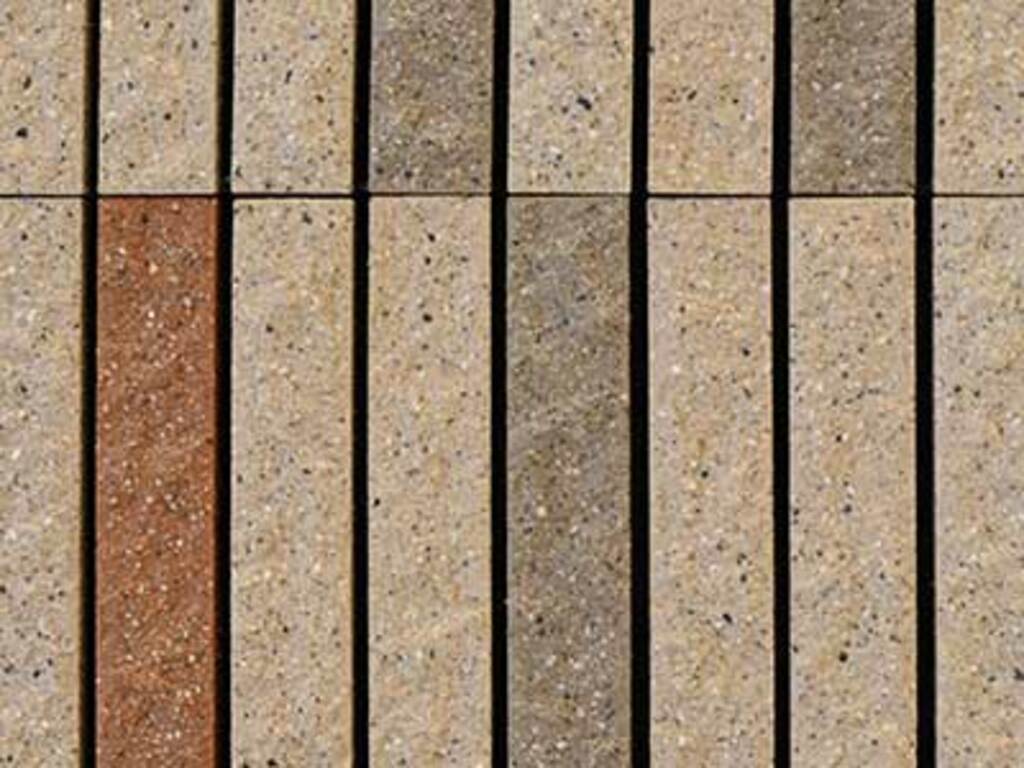 Renowned for its durability and royal appearance, granite flooring is an excellent option for those looking to add grandeur to spacious areas. This natural stone not only withstands heavy foot traffic but also offers a rich palette of colours and intricate designs to enhance your home’s decor.
Pros:
- Stunning Beauty: Offers a royal aesthetic that enhances the grandeur of spacious areas.
- Durability: Exceptionally resistant to wear and tear, making it ideal for high-traffic areas.
- Variety of Colors and Patterns: Available in rich colours and intricate designs, allowing for a sophisticated look.
- Low Maintenance: Generally easy to clean and maintain, requiring minimal upkeep compared to softer flooring materials.
Cons:
- Best for Large Spaces: Can create a cramped or stuffy feel in smaller rooms, detracting from the overall ambience.
- Visible Salt Deposits: Susceptible to showing white residue if mopped with salt water, necessitating careful cleaning methods.
- Heavy Material: Installation may require additional structural support due to its weight, which can increase installation costs.
- Cost: Higher price point compared to some other flooring options, potentially impacting your budget.
Tile Flooring
 Versatile and cost-effective, tile flooring is ideal for homeowners seeking a practical yet stylish solution for various living spaces. Available in an extensive range of colours and finishes, tiles can adapt to different design styles while providing excellent durability and low maintenance.
Pros:
- Cost-Effective: Offers a budget-friendly flooring solution without sacrificing style or quality.
- Low Maintenance: Easy to clean and maintain, making it ideal for busy households.
- Versatility: Available in a wide variety of colours, finishes, and styles to match any decor.
- Water-resistant: Suitable for wet areas like kitchens and bathrooms, reducing the risk of water damage.
- Slip-resistant Options: Many tiles are designed with slip-resistant surfaces, enhancing safety in high-traffic areas.
- Wood-Look Tiles: Mimics the appearance of natural wood while providing the durability and ease of maintenance associated with tiles.
Cons:
- Hard Surface: Can be uncomfortable to stand on for long periods and may be cold underfoot in cooler climates.
- Grout Maintenance: Requires regular cleaning and sealing of grout lines to prevent staining and mildew growth.
- Installation Costs: While tiles are cost-effective, professional installation may add to the overall expense.
- Heavy Material: Installation may require additional structural support depending on the type of tile, increasing costs.
Wood Flooring
 Wood flooring brings a touch of nature indoors, creating a warm and inviting atmosphere in any home. This eco-friendly option is cherished for its natural beauty and tactile experience, making it a popular choice among homeowners looking for both style and sustainability.
Pros:
- Eco-Friendly: Made from natural materials, contributing to a sustainable living environment.
- Aesthetic Appeal: Adds natural beauty and warmth, creating a welcoming atmosphere in any room.
- Tactile Experience: Offers a comfortable and charming sensation when walking on the surface.
- Replaceable Sections: Damaged or worn sections can be easily replaced without needing to redo the entire floor.
- Variety of Styles: Available in various wood species, colours, and finishes to complement different interior designs.
Cons:
- Regular Maintenance Required: Needs periodic varnishing to protect the surface and maintain its natural beauty.
- Susceptible to Scratches: Can be damaged by heavy furniture, pets, or high foot traffic, requiring careful management.
- Moisture Sensitivity: Not ideal for areas prone to excessive moisture, as it can warp or swell.
- Higher Initial Cost: Generally more expensive than other flooring options, both in terms of material and installation costs.
Mosaic Flooring
 Mosaic flooring is perfect for those who desire a visually striking and durable option for high-traffic areas. Its unique designs and minimal maintenance requirements make it an attractive choice for busy households, adding character and functionality to any space.
Pros:
- Durable: Designed to withstand heavy foot traffic, making it ideal for high-traffic areas.
- Visually Appealing: Offers unique and decorative designs that enhance the aesthetic of any space.
- Low Maintenance: Requires minimal upkeep, making it convenient for busy households.
- Resilient: Maintains appearance and functionality over time, even in wear-prone environments.
- Periodically Polished: Simple polishing can refresh the surface and extend the flooring's lifespan.
Cons:
- Not Pet-Friendly: Can be damaged by pet nails and accidents, making it less suitable for homes with dogs or other pets.
- Hard Surface: Can be uncomfortable to stand on for long periods compared to softer flooring options.
- Installation Complexity: May require professional installation due to the intricacies of design and layout.
- Cold Underfoot: Tends to be cooler than wood or carpet, which may be less comfortable in colder climates.