LVT vs Laminate Flooring – Which Is Better for Your Home?
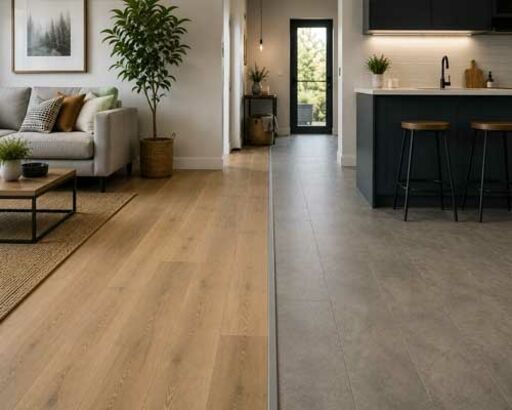
Choosing between laminate and Luxury Vinyl Tile (LVT) flooring can be tricky, especially as both offer affordability and style. While laminate mimics wood through a chipboard core with a decorative layer, LVT features realistic designs in a multi-layer vinyl construction. The right choice depends on your priorities—whether it's water resistance, comfort, appearance, or budget. This guide explores the differences, pros, and cons of each to help you decide with confidence.
What is Laminate Flooring?
Laminate flooring is made of compressed fibreboard with a printed decorative layer and a protective wear layer on top. It's known for its affordability, ease of installation, and wide array of wood-look designs. While durable and scratch-resistant, laminate performs best in dry, low-traffic areas like bedrooms and hallways. However, its synthetic core means prolonged exposure to moisture can cause swelling or warping.
What is LVT (Luxury Vinyl Tile)?
LVT is a vinyl-based floor covering engineered to mimic natural materials like wood or stone. With enhanced wear layers and realistic embossing, it offers quiet, waterproof performance and installs via click systems, loose lay, or glue-down. Its waterproof properties make it suitable for high-moisture areas such as bathrooms, kitchens, and utility rooms—unlike laminate.
Key Differences Between LVT and Laminate
| Feature | Laminate | LVT |
|---|
| Water Resistance | Poor (swells with moisture) | Excellent (100% waterproof) |
| Durability | Good for everyday use | High resistant to dents and scratches |
| Comfort Underfoot | Moderate | Softer and quieter |
| Appearance | High-quality wood visuals with bevelled edges | Highly realistic textures and varied visuals |
| Installation | Floating click system – requires foam underlay | Click, loose lay, or glue-down – can be installed over existing floors |
| Cost | Low | Medium |
Pros & Cons Overview
Laminate flooring is a strong choice if you’re after maximum value, simple installation, and classic wood-style floors in dry spaces. It resists common wear and can be laid over underfloor heating when using a suitable underlay.
LVT offers more realistic textures, improved water resistance, and better acoustic and underfoot comfort. It’s ideal for kitchens, bathrooms, living rooms, and basements, though it carries a slightly higher price tag.
Which Should You Choose?
If you're renovating living areas or bedrooms where moisture isn’t an issue and cost is a priority, laminate flooring is a reliable and affordable option. However, if you need water resistance, durability, and a quieter floor for kitchens, bathrooms, or high-traffic areas, look to LVT.
For guidance on choosing materials by room type, see our Room‑by‑Room Flooring Guide. To compare further, check our detailed comparison of Vinyl, LVT & SPC Flooring.
Installation and Maintenance Tips
Both flooring types are easy to install using click systems on a suitable subfloor. Laminate requires a foam underlay for cushioning, whereas LVT requires minimal prep and can adhere directly. For detailed step‑by‑step instructions, see our guide: How to Install LVT and SPC Flooring.
Laminate must be kept dry and cleaned with a damp mop only, whereas LVT allows wet mopping with pH-neutral cleaners and offers better long-term wear performance.
Final Thoughts
Laminate is the sensible, budget-friendly choice for dry areas and easy installation. LVT adds realism, resilience, and waterproof protection that outperforms laminate in modern homes. Whichever you choose, both floors offer excellent value when matched to your needs and room conditions.
Explore our full Laminate Flooring Collection and Vinyl, LVT & SPC Flooring Collection to find the perfect match for your space.