Top Wood Floor Lacquer Picks – The Experts’ Opinion
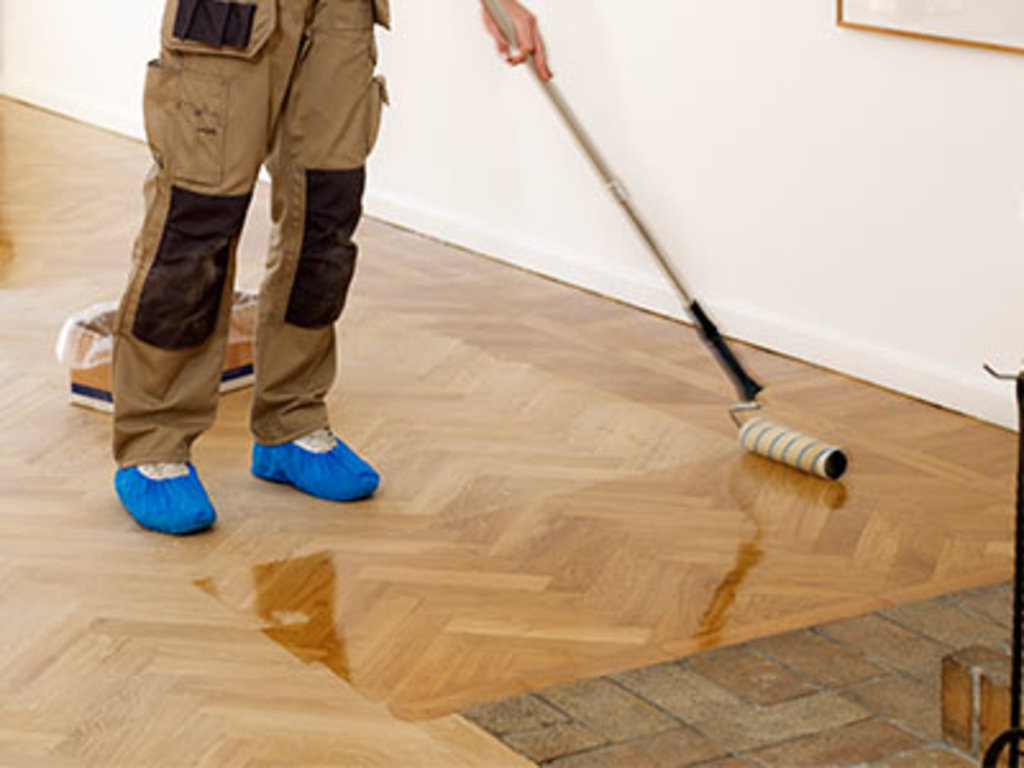 The best floor lacquer for most wood floors is a water-based lacquer from Bona, Junckers or Loba. It dries clear, has low odour, and forms a hard, clear layer on the surface of the wood floor that protects against scratches, scuffs, stains and everyday wear. Choose a two-component lacquer for busy or commercial floors, and a one-component lacquer when you want something simpler to apply. Wood floor finishes come in several types, and lacquer is one of the most popular, so this guide explains how it differs from the others, how to choose, and which lacquers we'd pick.
Looking for a floor finish? Shop Floor Lacquers to compare professional wood floor varnishes from Bona, Junckers, Loba and other leading brands.
| If you need... | Look at |
|---|
| A lacquer for very heavy traffic | Junckers HT700 or Loba 2K Fusion |
| A non-slip varnish for stairs, kitchens and nurseries | Bona Traffic HD Anti Slip |
| An easy one-component lacquer | Bona Mega or Loba Viva |
| An anti-bacterial water-based varnish | Morrells Induro |
| An oil-based lacquer with a warmer tone | Junckers ProTech |
Floor lacquer, varnish or polyurethane: what's the difference?
In UK shops, "floor lacquer", "floor varnish" and "polyurethane floor finish" are used almost interchangeably. All of them describe a clear finish that builds a hard film on the surface of the wood, unlike a hardwax oil, which soaks in. The differences that matter are how the lacquer is made and applied:
- Water-based or oil-based: water-based lacquers dry clear with low odour, while oil-based ones give a warmer tone.
- One-component or two-component: two-component lacquers are mixed with a hardener and give the toughest finish, while one-component lacquers come ready to use.
- Sheen: most come in matt, silk matt or satin, and gloss, and a matt finish hides marks better than gloss.
The trade-off with any lacquer is repair. It's hard-wearing and easy to wipe clean, but scratches show more on a glossy surface and a worn floor needs sanding back and recoating rather than a quick patch. If you prefer a natural look with spot repairs, compare it with a hardwax oil in our guide to the pros and cons of hardwax oil.
How to choose a floor lacquer
- Traffic: a one-component lacquer suits most homes, and a two-component lacquer suits hallways, shops, offices and other heavy use.
- Slip resistance: choose an anti-slip lacquer for stairs, kitchens, nurseries and workplaces.
- Sheen: matt and extra matt give the most natural look, and gloss gives the most shine but shows scratches.
- Colour: floor lacquers are clear. To change the colour, stain the wood first, use a tinted oil, or start with a warm-toned primer such as Bona Amber Primer. Our wood stains and primers cover the options.
- Humidity: water-based lacquers work best in rooms with a stable humidity, so avoid them where the moisture level swings widely over the year.
- Who's applying it: some lacquers, such as Junckers HT700, are intended for professional application, so check before you buy.
Junckers HT700 Floor Lacquer, Satin
 We'll start with one of the hardest-wearing options, the Junckers HT700 Floor Lacquer, Satin, formerly sold as Junckers HP Commercial. It's a two-component, water-based, 100% polyurethane lacquer designed for floors with very high traffic, from busy commercial spaces to hard-used homes.
It dries to a clear, non-yellowing finish and cures quickly enough for the floor to go back into use the following day. Coverage is around 10 to 12m² a litre, and bare or freshly sanded wood should be primed first with Junckers WB Primer before the lacquer goes on.
Bona Traffic HD Anti Slip Varnish
 Bona Traffic HD Anti Slip Varnish is another two-component polyurethane lacquer, from one of the best-known brands in the industry. It has all the features of Bona Traffic HD, including superb wear, chemical and scuff resistance and a clear, non-yellowing finish, with extra grip added.
It's classified R10 under DIN 51130 for slip resistance, which makes it a strong choice for stairs, nurseries, kitchens and workplaces where spills are likely. It's mixed with Bona's hardener before use, and on bare wood the usual system is one coat of primer followed by two or three coats of the lacquer.
Bona Mega Varnish
 Bona Mega Varnish is a one-component, water-based polyurethane lacquer for domestic and light commercial floors. It cross-links as it cures, which gives it a performance close to a two-component finish without any mixing.
It's easy to apply, dries quickly and resists wear, scuffs, scratches and chemicals. It comes in several sheens, from extra matt to gloss, and you can compare the full range of Bona floor lacquers here. It's a good starting point if you want a dependable finish without a hardener.
Morrells Induro Anti-Bacterial Water-based Varnish
 If you want a fast-drying, durable finish with an anti-bacterial formula, look at the Morrells Induro Anti-Bacterial Waterbased Varnish. It has excellent clarity, doesn't yellow, and applies smoothly straight from the tin.
It resists abrasion, scuffs and spills, and it's suitable for light to medium traffic in domestic and commercial areas. The Morrells range comes in extra matt, semi-matt, satin and gloss.
Junckers ProTech Varnish
 Junckers ProTech is a one-component, oil-based lacquer, so it behaves differently from the water-based lacquers above and gives a warmer tone. It forms a hard-wearing clear layer on untreated and sanded real wood floors and is made for medium-traffic floors.
On bare or freshly sanded wood, Junckers recommends three coats at around 10m² a litre, and one coat over a previously sealed floor. See the full Junckers floor lacquer range for the water-based alternatives.
Loba Fusion Lacquer
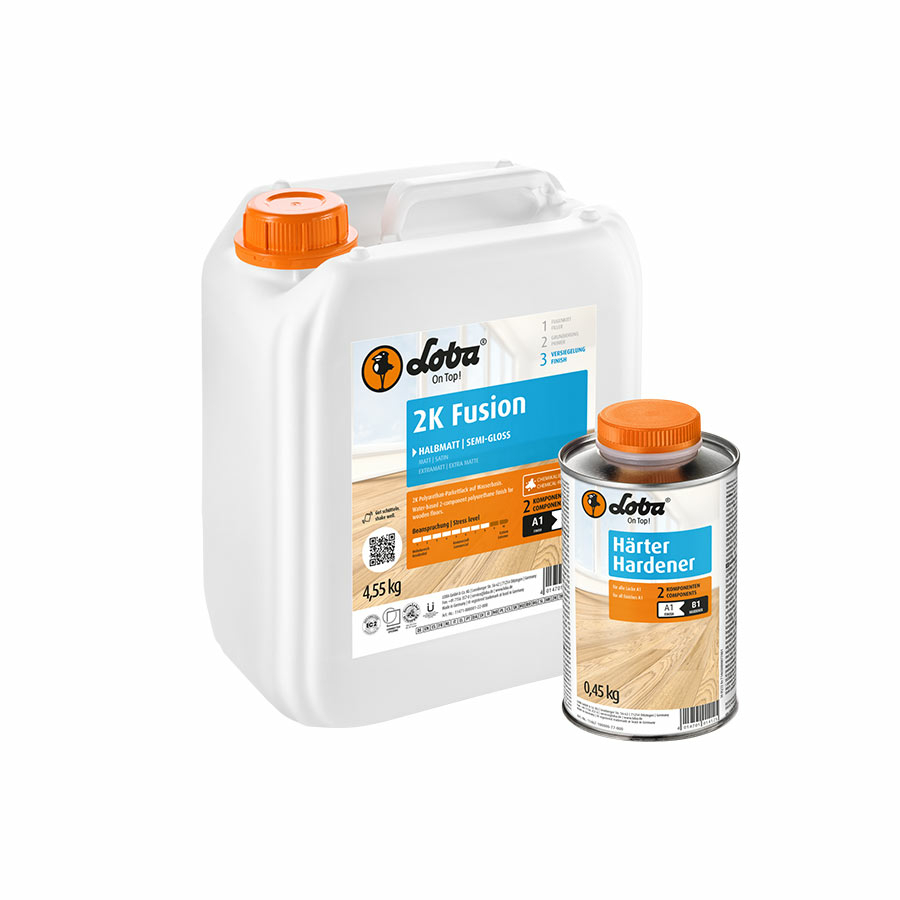 Loba 2K Fusion is a waterborne, two-component polyurethane lacquer made for floors exposed to extremely heavy wear. It's known for its elasticity and for outstanding chemical and abrasion resistance.
The lacquer is supplied in a kit with a hardener. Once mixed, it stays usable for up to 2 hours, and coverage is around 8 to 10m² a litre. The wood should be properly sanded, dry and free of old coatings, oil, wax and dust before you start.
Loba Viva Lacquer
 Loba Viva Lacquer is a versatile, waterborne one-component finish for parquet and hardwood floors, with good chemical resistance and rubber burn resistance. It suits normal to heavy domestic traffic and light commercial use, and it comes in a satin (UK matt) version as well as semi-gloss (UK satin).
Loba recommends a primer coat of EasyPrime or PrimaSeal Plus. You can recoat without sanding within the first 24 hours, and after that a light sanding with a fine pad is needed. Coverage is around 8 to 10m² a litre.
Which lacquer suits which floor?
| Floor | What to know |
|---|
| Oak and other hardwoods | Any water-based lacquer here works. Match the lacquer to the traffic level |
| Parquet | Loba Viva is made for parquet and hardwood, and a two-component lacquer suits busy parquet |
| Pine and softwood | Choose water-based, seal the knots and prime first. See our guide to varnishing pine floors |
| Kitchens, stairs and nurseries | An anti-slip lacquer such as Bona Traffic HD Anti Slip gives extra grip |
| Engineered wood | Check the maker's advice, and remember that the thin top layer limits how often it can be sanded |
How to apply floor lacquer
- Sand the floor to bare wood and vacuum all the dust, because lacquer needs a clean, dry surface free of old coatings, oil and wax.
- Apply the primer the lacquer's maker recommends, such as Junckers WB Primer or Loba EasyPrime.
- If it's a two-component lacquer, mix it with the hardener exactly as instructed and use it within its pot life.
- Roll on the lacquer in thin, even coats, usually two or three, leaving each to dry for the time on the data sheet.
- Keep traffic off the floor until the lacquer has cured, which can be the next day for fast-curing products and longer for others.
Always follow the manufacturer's instructions, because the primers, coat counts and drying times differ by product. If you'd rather a professional did the job, our floor fitting service covers London.
If you'd also like to compare oils, see our guide to the best wood floor oils, or browse the full floor lacquer range to put together a finishing system for your floor.
Frequently Asked Questions about Floor Lacquers
What is the best lacquer for wood floors?
For most homes, a water-based lacquer from Bona, Junckers or Loba is the best choice. Pick a two-component lacquer such as Junckers HT700 or Loba 2K Fusion for very heavy traffic, and a one-component lacquer such as Bona Mega or Loba Viva for easier application.
What is the difference between floor lacquer and varnish?
In practice, very little. In the UK, floor lacquer, floor varnish and polyurethane floor finish all describe a clear film that sits on the surface of the wood. The real differences are water-based or oil-based, and one-component or two-component.
Is there a non-slip floor varnish?
Yes. Bona Traffic HD Anti Slip is a two-component lacquer classified R10 for slip resistance, and it's suited to stairs, kitchens, nurseries and workplaces.
What is the best floor varnish for a floor that might get wet?
A hard-wearing two-component lacquer, ideally an anti-slip one, copes best with spills and chemicals. No lacquer makes a wood floor waterproof, though, so wipe spills up promptly.
How many coats of floor lacquer do you need?
Usually a primer plus two or three coats on bare wood, and one or two coats over a previously sealed floor. Check the data sheet, because the system varies by product.
Can you change the colour of a floor with lacquer?
Not on its own, because floor lacquers dry clear. For colour, stain the wood first, use a tinted oil, or choose a warm-toned primer under the lacquer.
Is lacquer or hardwax oil better for floors?
Lacquer gives a harder, easier-to-clean surface that suits busy floors, while hardwax oil gives a more natural look and easier spot repairs. The right choice depends on the room and how you want to maintain it.