Comprehensive Guide to Abrasives Types
 When it comes to achieving a flawless finish on hardwood floors, choosing the right abrasive is important. Abrasives play a vital role in the sanding process, influencing not only the efficiency of the task but also the final appearance of the wood. With a wide variety of sanding abrasives available, each designed for specific applications and wood types, understanding their characteristics is essential for both DIY enthusiasts and professionals alike.
This guide will delve into the various types of abrasives, including their uses, advantages, and disadvantages, helping you make informed decisions for your flooring projects. Whether you’re removing old finishes, smoothing surfaces, or preparing for a final coat, knowing the right abrasive to use can significantly impact your results. Let's explore the world of abrasives and find the perfect match for your sanding needs!
Silicon Carbide Abrasives
Silicon carbide is a sharp and durable abrasive renowned for its fast cutting ability. Silicon carbide abrasive excels at removing finishes and smoothing wood surfaces, making it a popular choice among woodworkers and professionals alike.
Advantages:
- Versatility: It works effectively on both hardwood and softwood, making it suitable for various projects and applications.
- Smooth Finish: Silicon carbide produces a fine, smooth finish, which makes it an excellent option for the final sanding stages, ensuring that your wood surfaces look polished and professional.
- Fast Cutting: The sharpness of silicon carbide allows for quick removal of finishes and imperfections.
Disadvantages:
- Durability: Silicon carbide is not as long-lasting as some other abrasives, especially when used on very hard woods, which may necessitate more frequent replacements.
- Less Suitable for Tough Materials: While effective for initial sanding and finish removal, it may not hold up as well in demanding applications compared to other, more durable options.
Overall, silicon carbide is an excellent choice for achieving quick results, particularly in the early stages of sanding, but it may require consideration of more robust alternatives for long-term use on tougher materials.
Aluminum Oxide Abrasives
Aluminum oxide is one of the most commonly used abrasives in hardwood flooring, known for its exceptional performance and versatility. It is an aluminum oxide mineral that has been engineered to create a durable abrasive that can tackle various sanding tasks effectively.
Uses: This abrasive is suitable for both rough sanding and finishing applications, making it an excellent choice for different stages of the sanding process. Its adaptability allows it to work efficiently on various types of wood, ensuring smooth and even surfaces.
Advantages:
- Extremely durable and long-lasting: Aluminum oxide is known for its ability to withstand significant wear and tear, allowing it to last longer than many other types of abrasives.
- Consistent cut: It provides a reliable and consistent cut, reducing the need for frequent changes, which can save time and effort during sanding projects.
Disadvantages:
- Cost: While it offers many benefits, aluminum oxide abrasives can be more expensive than other options available on the market. However, the investment often pays off in terms of performance and longevity.
Ceramic Abrasives
Ceramic abrasives are crafted from hardened ceramic particles, making them an exceptionally durable option for sanding tasks. Their robust structure provides the strength needed for tough applications, ensuring effective performance across various surfaces.
Uses: These abrasives are particularly effective for heavy sanding and for removing thick finishes from hardwood floors, making them a popular choice among professionals and DIY enthusiasts alike.
Advantages:
- Extremely tough and long-lasting: Ceramic abrasives are designed to endure significant wear, which allows them to maintain their cutting efficiency for longer periods compared to standard abrasives.
- Ideal for sanding very hard woods: Their toughness makes them suitable for sanding dense hardwoods, which can be challenging with less durable materials.
Disadvantages:
- Higher cost: While ceramic abrasives offer outstanding performance and longevity, they typically come at a higher price point compared to other abrasives. However, their durability often justifies the initial investment for those seeking high-quality results.
Zirconia Abrasives
Zirconia abrasives are renowned for their extreme hardness and durability, making them an exceptional choice for sanding tough hardwoods.
Uses: Primarily used for heavy-duty sanding tasks, particularly on hardwood floors, where durability and longevity are crucial.
Advantages:
- Longevity: 100% zirconia sanding papers can last up to five times longer than conventional aluminum oxide abrasives, reducing the frequency of abrasive changes during projects.
- Strength: Originally developed for metalworking, zirconia abrasives are extremely tough and efficient, capable of handling rigorous sanding tasks effectively.
Disadvantages:
- Surface Finish: When used alone, 100% zirconia abrasives may leave a rough surface that requires additional sanding to eliminate scratches.
- Higher Cost: Zirconia abrasives are generally more expensive than other types of abrasives, which may impact budget considerations.
Zirconia abrasives are an excellent option for professionals seeking a durable and efficient solution for tough sanding tasks. Their combination of longevity and optimized performance makes them a valuable addition to any flooring project.
Paper vs. Mesh Abrasives
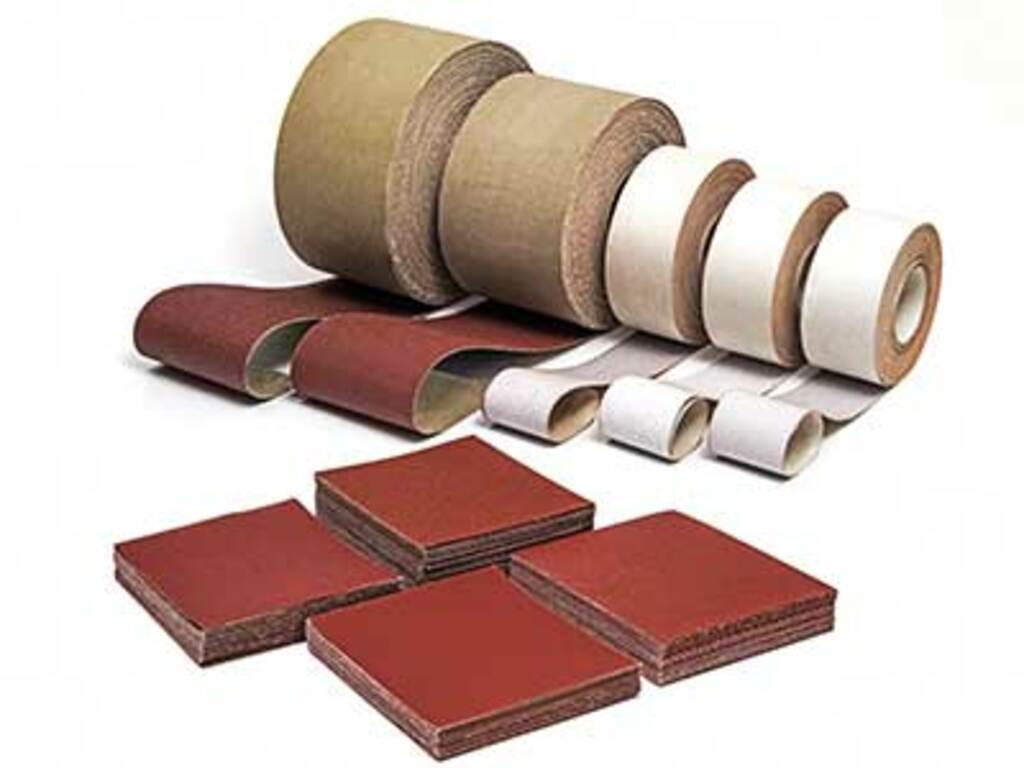 When it comes to choosing the right abrasive for your sanding needs, understanding the differences between paper abrasives and mesh abrasives can significantly impact the quality of your finish and the efficiency of your work.
Paper Abrasives
Typically backed with paper, these abrasives are the traditional choice for sanding and are widely used in various applications. They are versatile and available in a range of grits, making them suitable for both rough sanding and finishing tasks. The paper backing provides a firm surface that is easy to handle, allowing for precise control during the sanding process. However, one drawback is that paper abrasives can clog more easily, particularly when sanding finishes or softwoods, which may require more frequent changes.
Mesh Abrasives
In contrast, mesh abrasives feature a mesh backing that promotes superior dust extraction during sanding. This design allows for better visibility of the work surface, helping you maintain accuracy and ensuring a smoother finish. The open structure of mesh abrasives minimises clogging, which extends their lifespan and reduces the need for frequent changes. While they may be slightly less common than paper abrasives, mesh options are increasingly popular among professionals looking for efficiency and effectiveness in their sanding projects.
In summary, the choice between paper and mesh abrasives largely depends on your specific project requirements and preferences. If you're seeking traditional versatility, paper abrasives are an excellent option. However, for enhanced dust extraction and visibility, mesh abrasives may be the superior choice.
If you're ready to choose the right tools for your sanding project, explore our guide on using floor sanding pads for flawless results.
Tips for Choosing Abrasives
Selecting the right abrasives for your sanding project can greatly influence the final result and efficiency of your work. Here are some essential tips to guide you in making the best choice:
Consider Wood Type:
Different wood species have varying levels of hardness, which should be a significant factor in your abrasive selection. For softer woods, like pine or cedar, opt for gentler abrasives to avoid excessive damage. In contrast, harder woods such as oak or maple will benefit from more aggressive options that can effectively remove finishes and imperfections.
Start Coarse, Finish Fine:
To achieve the best results, it's essential to adopt a step-by-step approach. Begin with coarser grits, such as 36 or 60, to efficiently remove old finishes and surface imperfections. Once the initial sanding is complete, gradually progress to finer grits, like 100 or 120, to achieve a smooth, polished finish that enhances the wood's natural beauty.
Check Compatibility:
Before purchasing abrasives, ensure they are compatible with your sanding equipment, whether you are using a drum sander, orbital sander, or another type of machine. Each tool may have specific requirements for abrasive types, sizes, and grits, which can affect both the performance of the equipment and the quality of the finish.