How to Select the Ideal Wooden Floor for Your Space
Purchasing a new wooden floor can be a significant investment for your home, so it’s important to approach this decision thoughtfully. Investing in a new wooden floor is not a choice to be taken lightly. While you might be tempted to dive headfirst into the vast jungle of options and opportunities available, doing so without prior organisation and preparation can lead to an overwhelming and confusing experience. Instead, take the time to plan and define your needs before rushing to the showroom.
To help you navigate this process effectively, we’ve created a step-by-step guide to shopping for wood flooring. This guide will ensure that you make a well-informed and successful purchase, tailored to your home and lifestyle.
Engineered Wood Flooring vs. Solid Wood Flooring

One of the first and most critical questions you need to consider before buying a new floor is whether to choose engineered wood or solid wood flooring. This decision hinges on various factors, including:
- Installation Location: Where will the floor be installed?
- Type of Subfloor: What is the existing subfloor material?
- Setting: Is it a domestic or commercial space?
- Moisture Issues: Are there any moisture concerns?
- Preferences and Needs: What style and durability do you prefer?
Take the time to evaluate the specifics of your home or office, along with your desires and requirements, before making this important choice.
Solid Wood Flooring
Solid wood floorboards are crafted from single pieces of timber, available in a wide variety of wood species tailored to your preferences. Here are some key features:
- Aesthetic Appeal: Solid wood flooring adds elegance and classic beauty to any space, making it a timeless choice for areas like the living room and bedroom.
- Durability: These floors are long-lasting and hard-wearing, especially when finished properly to enhance strength and protection.
However, solid wood floors are prone to water damage. They should not be exposed to excessive moisture, humidity, or temperature fluctuations, as this can lead to serious issues like cupping and breaking.
Engineered Wood Flooring
Engineered wood flooring, on the other hand, is designed for superior resistance to moisture and wear. Here’s what you need to know:
- Construction: Engineered wood boards consist of layers of softwood and plywood glued together in a crisscross pattern, topped with a layer of hardwood lamella. This construction allows for natural expansion and contraction without damage.
- Versatility: Ideal for high-traffic areas, such as kitchens, hallways, basements, and even bathrooms, engineered wood flooring is a smart choice for homes prone to moisture. It also works well with underfloor heating systems.
While solid wood floors offer timeless beauty, engineered wood floors provide practicality and resilience, making them a better option for challenging environments.
Wood Species Selection
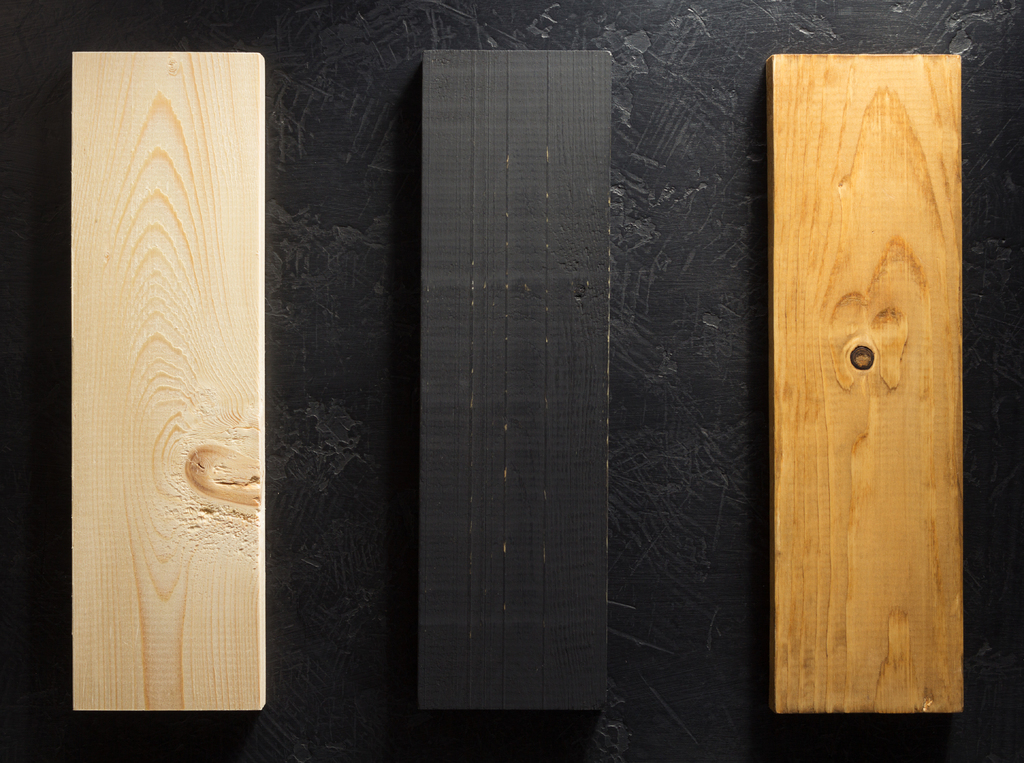
When it comes to real wood floors, you have access to an impressive variety of domestic and exotic wood species. Your choice will ultimately depend on your personal preferences, budget, and the desired aesthetic for your space. Here are some key factors to consider when selecting a wood species:
Key Considerations
- Density and Durability: Different wood species vary in density and durability. For instance, hardwoods like oak and maple offer exceptional durability, making them suitable for high-traffic areas.
- Colour and Undertones: The colour and undertones of wood can significantly affect the overall ambience of your home. For example, darker woods like walnut can add richness, while lighter woods like birch create a brighter, airy feel.
- Texture and Pattern: Each wood species exhibits unique textures and patterns. Oak is known for its pronounced grain, while cherry wood boasts a smooth, fine texture.
- Budget Considerations: Your budget will also play a crucial role in your selection. Generally, exotic wood species tend to be more expensive than their domestic counterparts. For instance, teak and mahogany can be pricier due to their rarity and desirable properties.
Popular Choices
Among the numerous options available, oak remains one of the most popular choices for hardwood flooring. Here’s why:
- Durability: Oak is renowned for its long-lasting performance and ability to withstand daily wear and tear.
- Aesthetic Appeal: Its simple yet beautiful appearance complements various interior styles, from traditional to contemporary.
- Reasonable Price: Oak typically falls within a reasonable price range, making it an accessible option for many homeowners.
Ultimately, selecting the right wood species involves balancing aesthetics, functionality, and budget to achieve the perfect flooring solution for your home.
Wood Grades
When selecting wooden floorboards, it's essential to understand that they are categorised into four different grades based on their natural characteristics. These categories are Prime, Select, Natural, and Rustic. It's important to note that these grades do not reflect the overall quality of the wood but rather specific natural traits such as size and many knots, colour consistency, sap content, and the wood’s natural pattern.
- Prime Grade: This is the highest grade, featuring a clean, simple appearance with little to no knots. It boasts a highly consistent colour and minimal sap, making it ideal for those who prefer a refined look.
- Select Grade: Slightly less uniform than prime, select grade offers a good balance of appearance and cost, showcasing a few more natural characteristics while still maintaining a sophisticated aesthetic.
- Natural Grade: This grade highlights the beauty of natural wood, including a moderate amount of knots and variations in colour. It brings a more authentic feel to your space.
- Rustic Grade: Positioned at the other end of the spectrum, rustic grade wood is characterised by its unique and charming appearance. It features prominent knots and variations in colour and grain, adding a lot of character and a distinctive style to any room.
Choosing the right grade for your wooden floor can significantly influence the overall aesthetic and feel of your space, so consider your style and the atmosphere you wish to create.
Floor Finish Options
Choosing the right wood floor finish is crucial for enhancing the beauty and durability of your flooring. Today, you have two primary options: prefinished wood flooring and unfinished wood flooring. Each option comes with its own set of benefits.
Prefinished Wood Flooring
Prefinished wood flooring is treated with a finishing product before installation. Here are some advantages of choosing this option:
- Convenience: Since the floorboards arrive ready to install, you can skip the sanding and finishing service, allowing for a quicker installation process.
- Cost-Effective: You won’t incur additional service fees for finishing, making it a more budget-friendly option overall.
- Consistent Finish: The factory-applied finish ensures a uniform appearance across all planks, enhancing the overall aesthetic.
Unfinished Wood Flooring
On the other hand, unfinished wood flooring offers flexibility and customisation:
- Customisation: With unfinished wood, you have the freedom to choose the finish that best matches your interior design and personal style. You can select from various stains, sheens, and finishes to create a unique look.
- Tailored Application: Applying the finish after installation allows for greater control over the final result, ensuring that the finish complements your home perfectly.
- Potential for Refinishing: Unfinished floors can be sanded and refinished multiple times, extending their lifespan and allowing for changes in style over the years.
Ultimately, the choice between prefinished and unfinished wood flooring comes down to your specific needs and preferences. If you prioritise convenience and a quick installation, prefinished flooring may be the way to go. However, if you want complete control over the finish and look of your floors, consider opting for unfinished wood flooring.